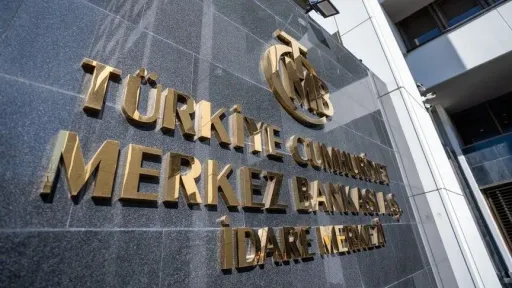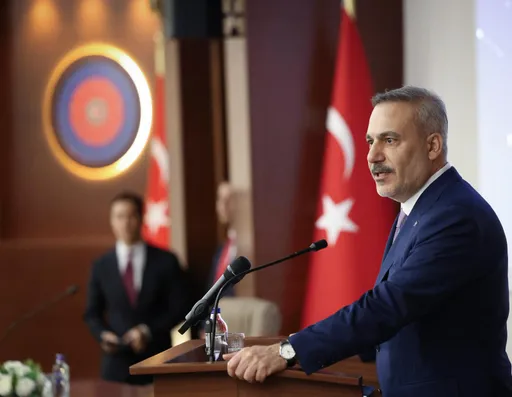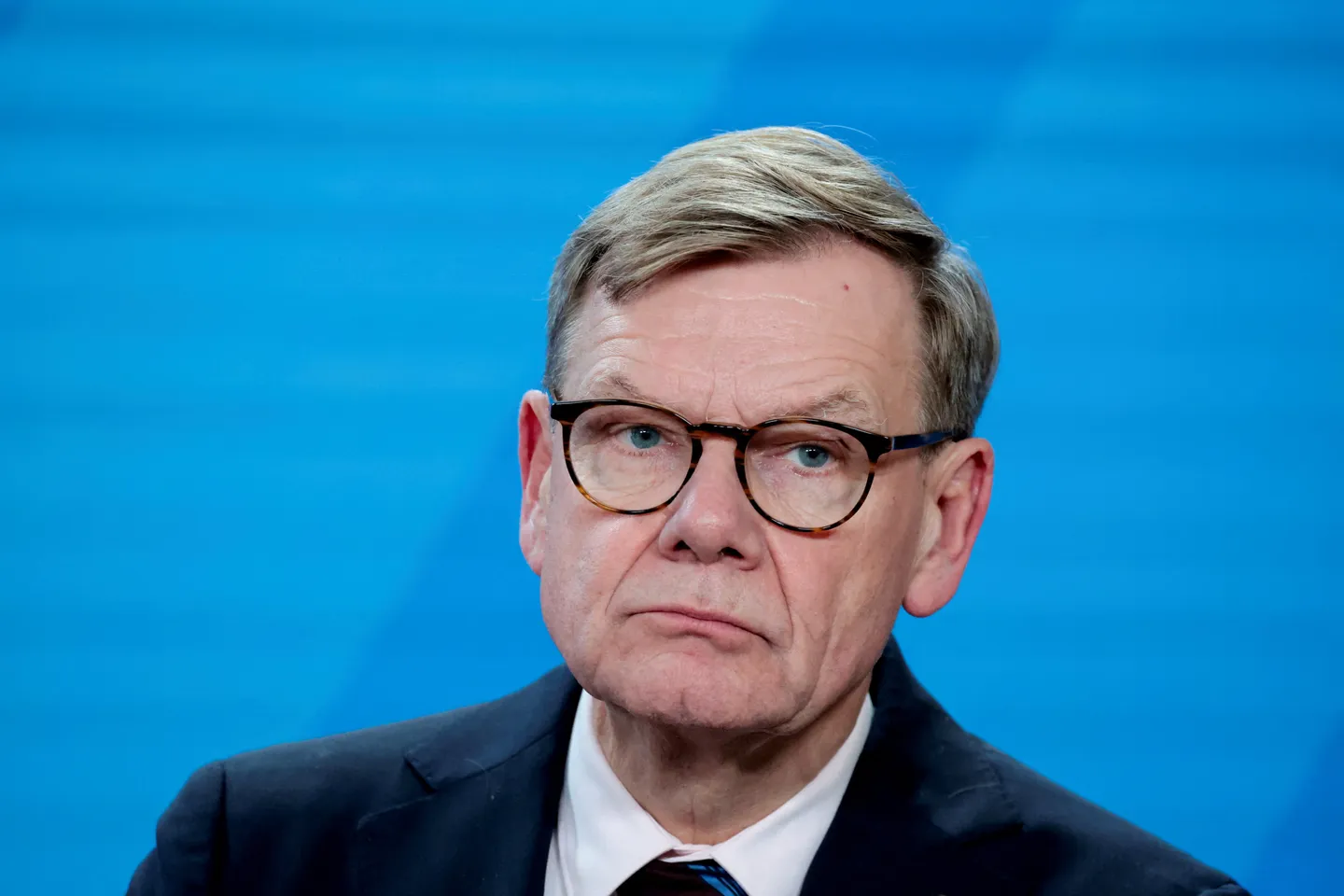
German Foreign Minister Johann Wadephul said on Friday that a first-of-its-kind meeting bringing together four European countries and four regional powers in Istanbul aims to explore ways to resolve stalled regional conflicts.
Speaking before his meetings in Istanbul, Wadephul stressed that the gathering would focus on safeguarding freedom of navigation in international waters, developments in the Black Sea, and other conflicts.
“At our first meeting in this format we Europeans and the four regional powers want to jointly explore how we can bring movement into the conflicts in the Strait of Hormuz, at Bab al Mandab and in the Black Sea,” he said.
The meeting is being held on the initiative of Germany and Türkiye, Wadephul noted, bringing together the foreign ministers of the E4 states — Germany, France, the UK and Italy — and the R4 partners Egypt, Pakistan, Saudi Arabia and Türkiye.
“The eight of us are taking a stand together: We will not accept Iran and the Houthi militias holding global trade to ransom and maintaining their stranglehold on the world’s supply of energy and fertilisers,” the minister underlined.
“These indiscriminate attacks on free navigation and neighbouring countries must come to an end,” he insisted. “For the people in the region, those suffering from hunger or fearing that they are no longer safe even within their own homes, this persistent insecurity is unacceptable.”
Attacks on shipping routes are also felt in Europe, from prices at gas stations to supermarket shelves, he noted. Delays in fertiliser deliveries risk increasing the danger of famine in some regions, Wadephul warned.

Black Sea grain shipments under pressure
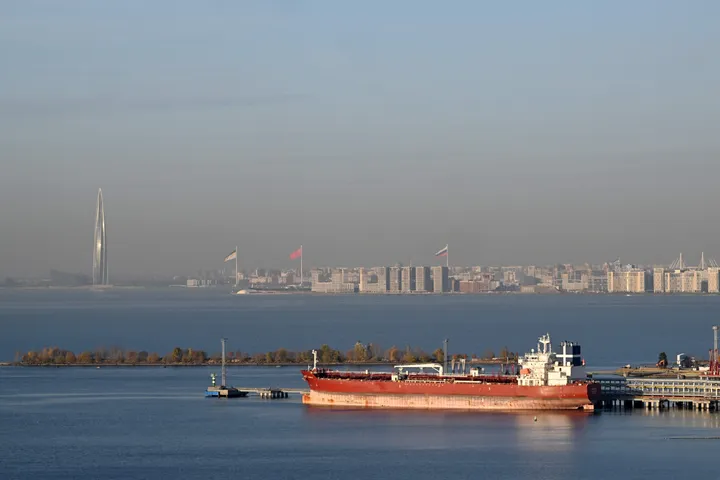
Wadephul also accused Russia of targeting free navigation in the Black Sea and of threatening global food security through attacks on grain shipments.
”By attacking grain shipments, Russia is knowingly risking food shortages in the Global South,” he said. “This hits the world’s poorest, whose survival depends heavily on wheat, as well as our partners, such as Türkiye, which is the largest processor of wheat for the global market.”
Attacks on civilian ships and port infrastructure since July 2026 have nearly halted Ukrainian grain exports via the Black Sea, which previously accounted for about 30 percent of global wheat trade, according to official figures.
Alternative routes can only partly make up the shortfall. Houthi attacks have intensified since July 2026. Bab al Mandab handles about 12 percent of world seaborne trade, while the Strait of Hormuz carries roughly one-fifth of global oil consumption.