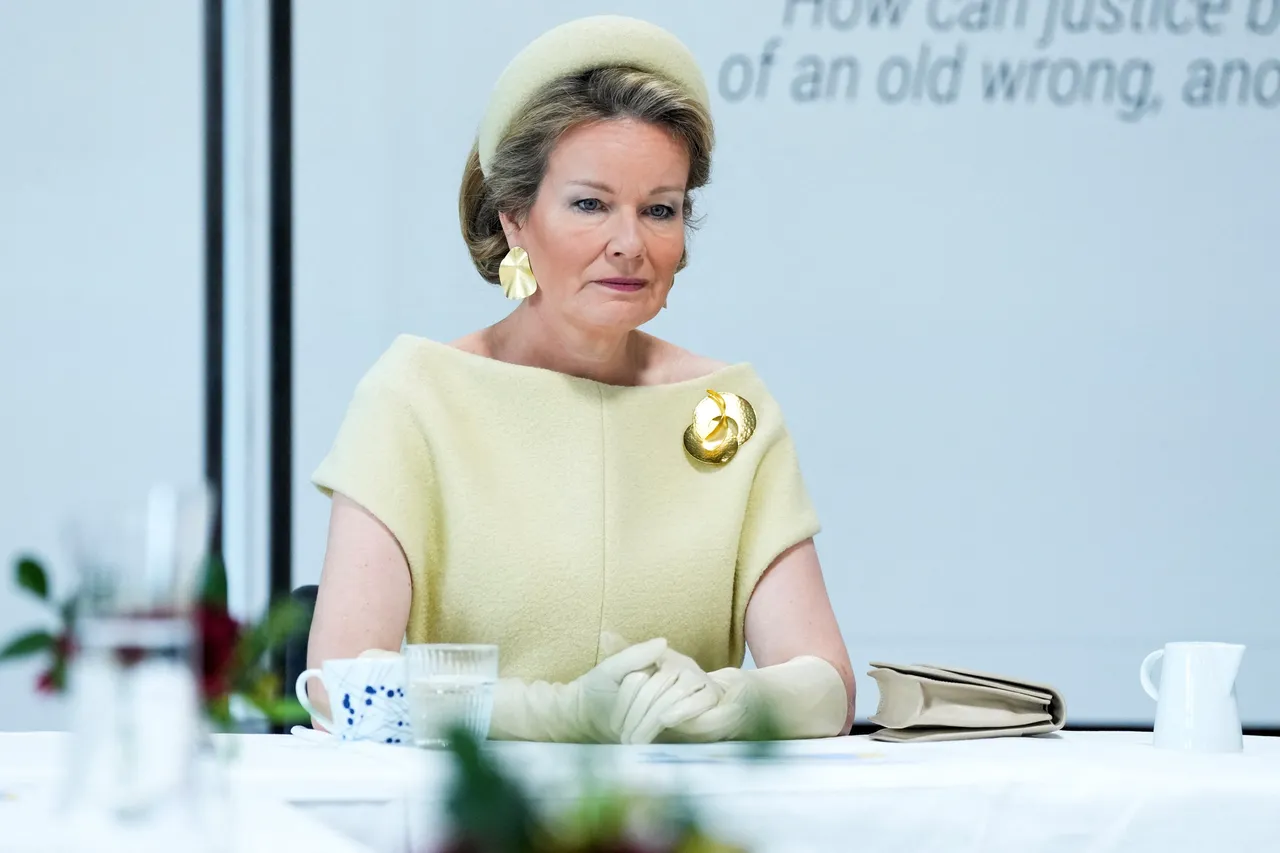
For the first time since 2012, Belgium is sending a royal-level economic mission to Türkiye. 450 participants—250 of whom are representatives of leading Belgian companies—will visit Istanbul and Ankara between May 10 and 14 under the leadership of Queen Mathilde.
Belgian Ambassador to Ankara Hendrik Van de Velde called the visit “a clear signal of confidence in the fundamentals of the Turkish economy” and emphasised that Belgium is one of the first European countries to return to the Turkish market with such a commitment.
At a press conference ahead of the visit, Belgian Ambassador Van de Velde and Consul General Tim Van Anderlecht outlined the details of the largest bilateral visit in the past 15 years.
According to the ambassador, such missions to countries significant to Belgium are conducted on average once every ten years; he described the current 14-year gap as exceptionally long. “This is a scale that is somewhat atypical even for us,” the diplomat admitted.
The delegation will include Deputy Prime Minister and Foreign Minister Maxime Prévost, Minister of Defence and Foreign Trade Theo Francken, Prime Minister of Flanders Matthias Dependale, and Deputy Prime Minister of Wallonia Pierre-Yves Géllélet.
All three regions of the country – the federal level, Flanders, Wallonia, and Brussels – are represented.
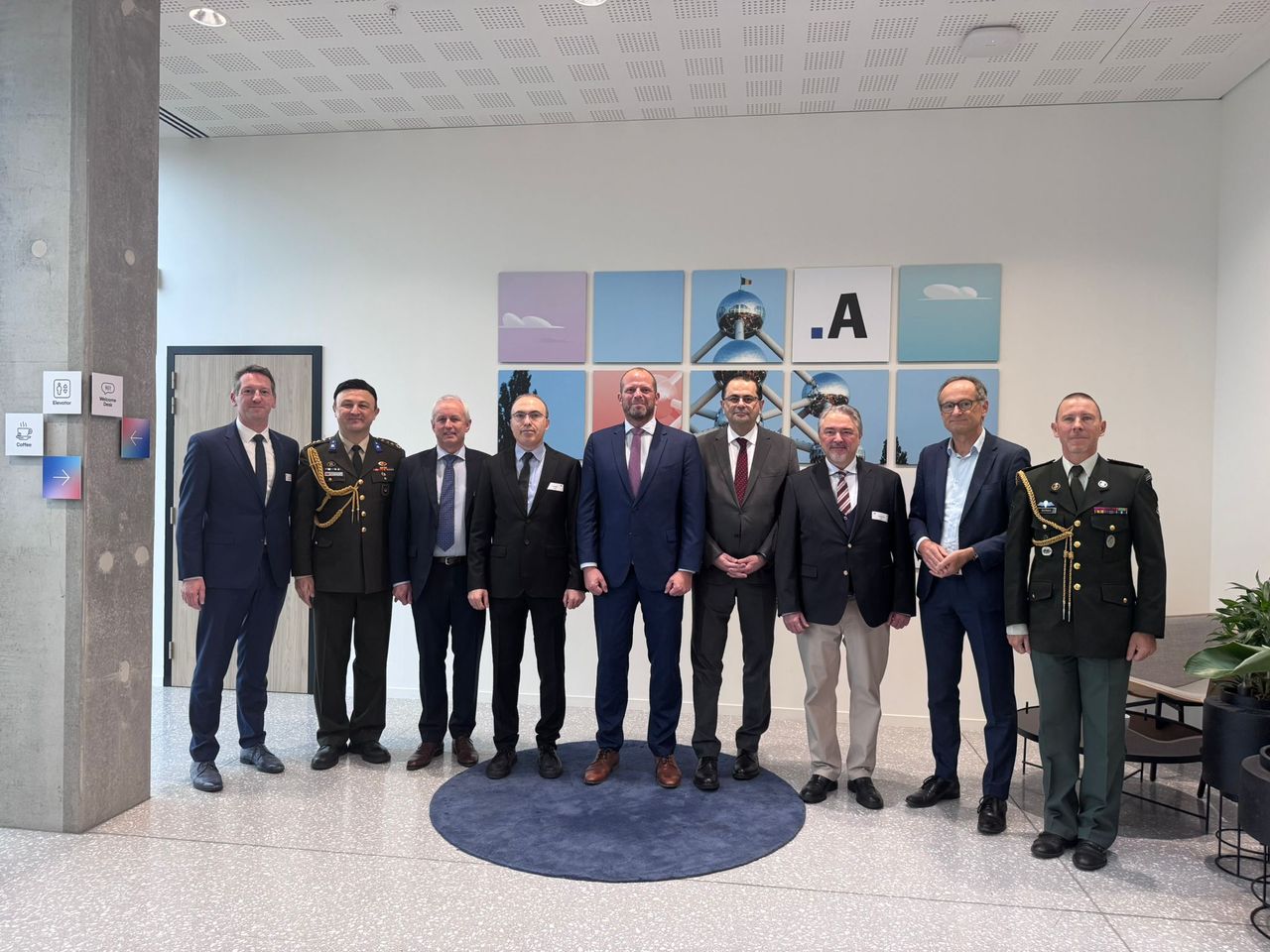
Of the 450 participants, 250 are businesspeople, whom the ambassador described as “the best companies in the country.”
The remaining 200 are representatives of trade organisations and government officials. The visit will focus on increasing cooperation in five sectors: pharmaceuticals and life sciences, logistics, sustainable energy and green transition, digital transformation, defence, and aerospace.
The Istanbul stage (May 10–12) will focus on B2B (business-to-business) meetings. The Ankara stage (May 13–14) will focus on official intergovernmental contacts. Agreements on air travel, social security, healthcare, and agriculture will be signed in both capitals.
Baykar attraction
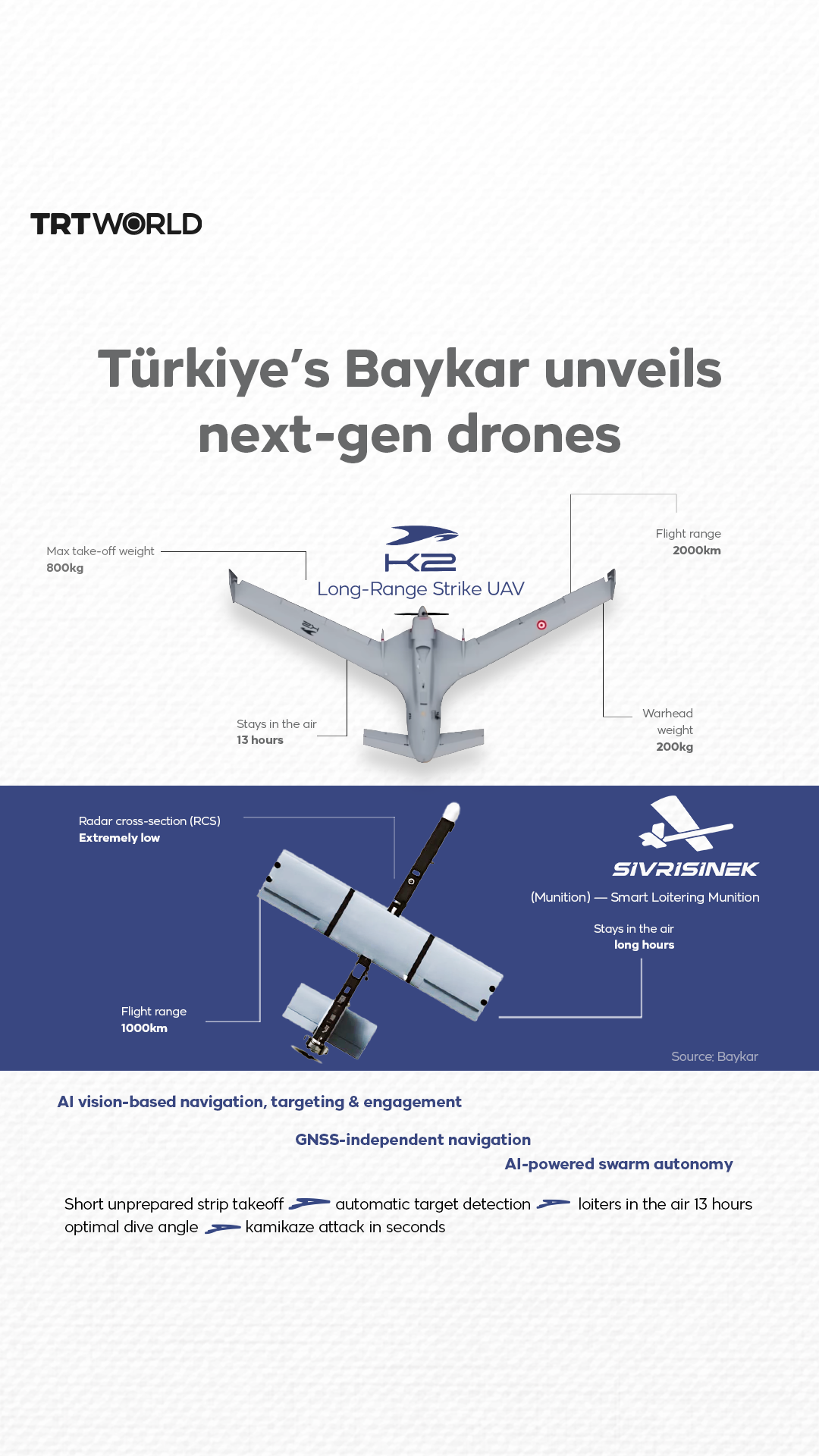
The defence industry is a special focus. Minister Franken visited Türkiye last July and explored the potential of the Turkish military-industrial complex. In May, the delegation will visit Baykar facilities.
“Baykar is an important company, and they will be visited in Istanbul,” said Ambassador Van de Velde.
Trade turnover between the two countries in 2025 amounted to approximately €13 billion: Turkish exports to Belgium increased by 2.8 percent to €5.57 billion, while imports from Belgium increased by 1 percent to €6.5 billion.
Since 2002, Belgian direct investment in Türkiye has reached $10 billion, making Belgium the 8th-largest foreign investor in Türkiye.
Antwerp remains one of the main logistics gateways for the Turkish industry in Europe.
Van de Velde urged against expecting immediate financial returns: “The results of such missions are visible within two to three years – in the form of increased investment and new trade ties.”
The goal is not one-time contracts, but a long-term restructuring of relations.
Consul Van Anderlecht added a practical detail: over the past three years, the capacity of Belgian visa centres for Turkish citizens has increased by more than 250 percent – an additional visa office has been opened in Ankara.
Türkiye ranks second in the world, behind Belgium and China, in terms of the number of Schengen visa applications. The ambassador personally advocates for visa abolition, but admits that such a decision is beyond his authority.
The mission was organised by the Belgian Foreign Trade Agency in cooperation with the regional agencies AWEX (Walloon Agency for Export and Investment), FIT (Flanders Agency for Investment and Trade) and the Brussels Agency for Foreign Trade and Investment, with the support of the Federal Ministry of Foreign Affairs.
‘Think of Türkiye as your near shore’
Belgian companies aren’t coming to Türkiye for exotic attractions or cheap labour—they’re coming to a neighbour that has long been part of their production chains.
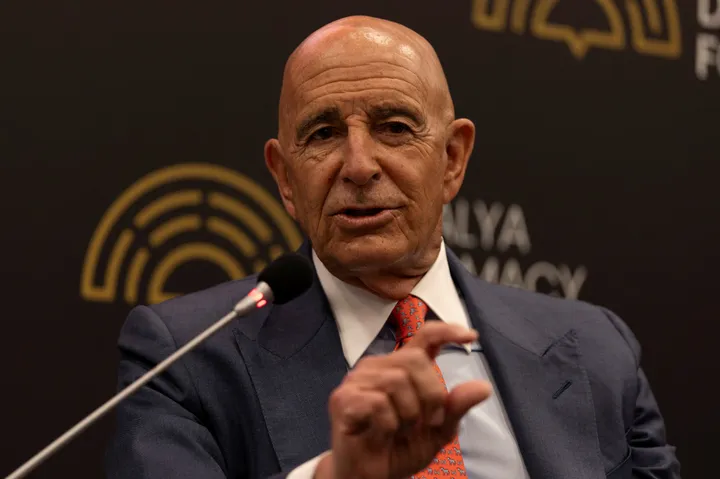


This is how Hendrik Van de Velde, the Belgian Ambassador to Ankara, views the May visit.
“We are rediscovering how close Belgium and Türkiye are, how deeply integrated the Turkish economy is into the European one.
It’s an economy in the process of complete transformation—and now is the perfect time to come here,” the ambassador said in an exclusive interview with the Belgian Foreign Trade Agency.
According to the diplomat, this isn’t just a matter of long-distance trade.
“Türkiye is a European economy, integrated into our production chains. Think of it as a neighbouring shore: in these turbulent times, it’s a much more reliable foundation for relations than partners located much further away,” says van de Velde.
The ambassador singled out the defence and aerospace sectors in particular: “You can’t even imagine how quickly this is developing. Next year, Türkiye plans to land on the moon using its own technology.”
He estimates that the country produces thousands of engineers every year, and the combination of this talent pool with its existing industrial expertise gives Türkiye “a truly solid foundation for production in high-tech sectors.”
Speaking about bilateral relations in figures, the ambassador emphasised: “We rank sixth among EU countries in terms of trade turnover with Türkiye… This is a strong result, but we can improve it,” the ambassador concluded.
Queen Mathilde’s May mission will take place two months before the NATO summit in Ankara. For Turkish Ambassador to Brussels Baris Tantekin, this is no coincidence—it reflects the new quality of relations.
In an exclusive interview with the Belgian Foreign Trade Agency, Tantekin shared figures that, he said, speak for themselves: over the 30 years of the Customs Union, trade turnover between Türkiye and the EU has increased tenfold – from $23 billion to almost $233 billion.
“The Customs Union has deeply integrated Türkiye into European production chains. We are part of this chain,” says the Turkish ambassador.
However, according to Tantekin, the current framework no longer reflects reality.
“The modern economy is characterised by services, digital trade, e-commerce, and government procurement. The current Customs Union does not cover these sectors. We need a Customs Union 2.0,” the diplomat believes.
Tantekin emphasised that modernising the agreement is beneficial to both parties: it will strengthen European value chains and increase economies’ resilience to external shocks.
When asked about Türkiye’s competitive advantages, the ambassador cited three: geography (“access to a market of almost 1 billion consumers”), a diversified economy—automotive, textiles, defence, electronics—and human capital.
“You’ll find qualified engineers, managers, and people who speak English and French here. This is a significant asset for Belgian companies,” the Turkish diplomat asserted.
Tantekin also emphasised the timing of the visit.
“This is a very important moment,” he said, naming the defence industry, the green transition, logistics, digitalisation, and pharmaceuticals as key areas for bilateral cooperation.
Concluding the interview, the ambassador offered three pieces of advice to Belgian businesses: build long-term partnerships, view Türkiye as a production base and regional export hub, and actively work with local partners.
“There’s no competition in this mission—only partnership and opportunities for collaboration with Belgium... In Türkiye, business is built on trust and personal connections—add Belgian chocolate to Turkish coffee,” Tantekin concluded.