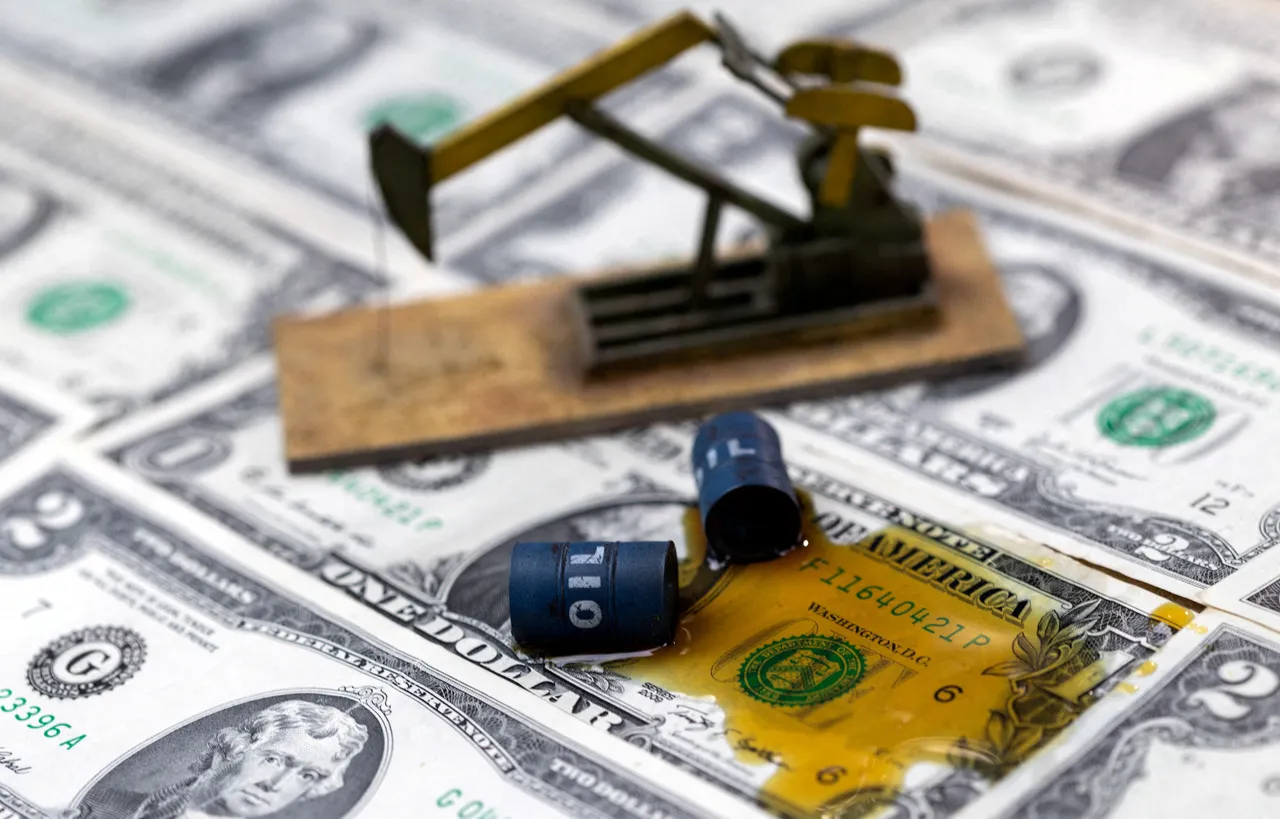
European and US stocks resumed sliding, and oil prices jumped as traders turned cautious over the prospect of a negotiated agreement between the United States and Iran to end the Middle East war.
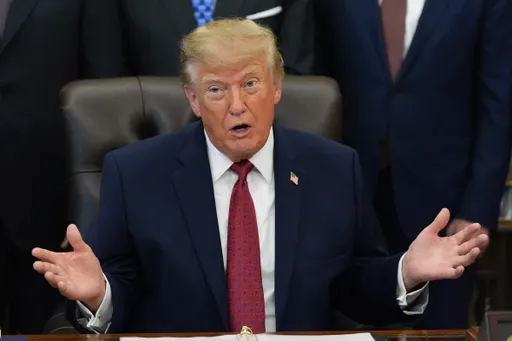
European and US stock markets had rallied on Monday after US President Donald Trump delayed strikes on Iranian energy sites and hailed "very good" talks with Iran.
Asian equities caught up with the strong gains on Tuesday, but European stock markets failed to build on the previous session's surge. In early afternoon trading in Europe, the major bourses were all lower, while in New York, the three main Wall Street indexes opened lower.
Oil prices, which had tumbled on Monday, rebounded strongly, with Brent popping back above $100 a barrel.
"The Iran war is not over, and the Strait of Hormuz remains closed," said Kathleen Brooks, research director at XTB.
"It will take more conciliatory remarks from Donald Trump to extend Monday’s recovery rally and give hope that the war is close to wrapping up."
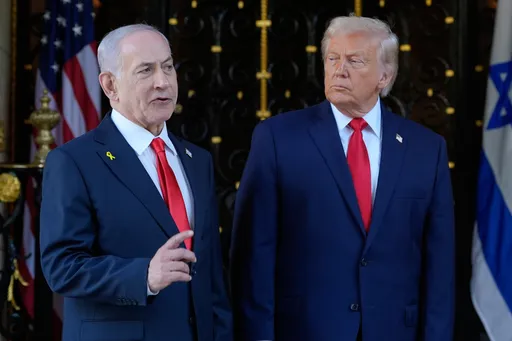
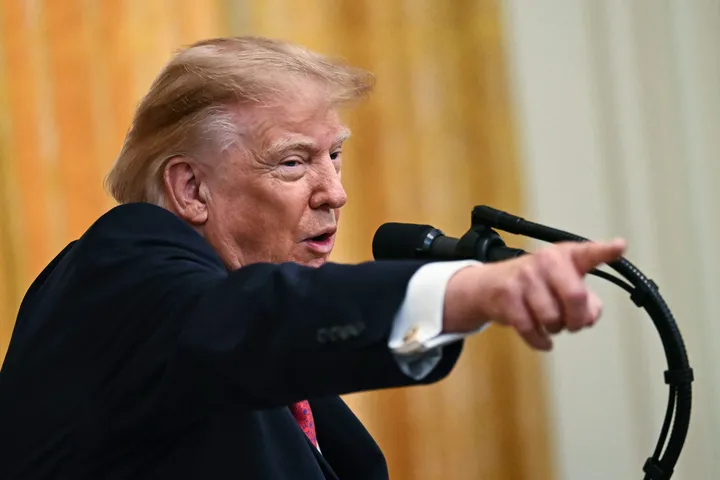
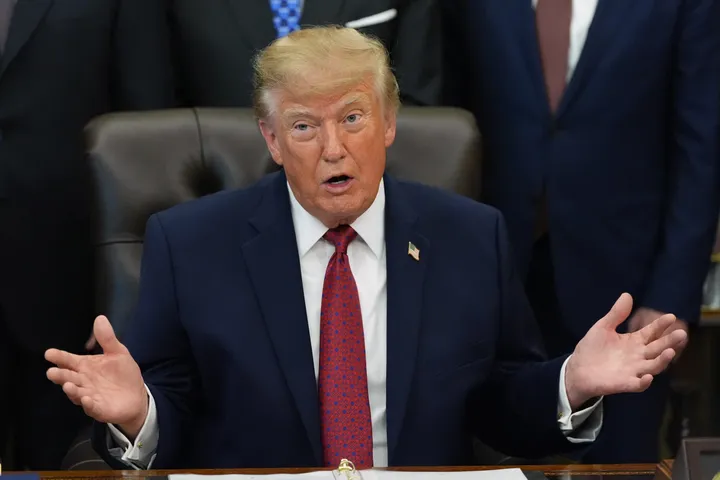
Trump on Monday stepped back from his threat to attack energy sites, citing "very good" talks to end the war.
But Tehran's parliamentary speaker said "no negotiations" were underway, insisting Trump was seeking "to manipulate the financial and oil markets".
And hours after Trump's apparent U-turn, Iranian media reported that Israeli-US strikes targeted two gas facilities and a pipeline.
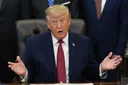
"Markets are increasingly questioning the validity of Trump's claim of positive negotiations with Iran," noted Joshua Mahony, chief market analyst at Scope Markets.
According to the Financial Times and Bloomberg, thousands of oil contracts – a much higher number than normal – were traded fifteen minutes before the president unexpectedly announced a halt to strikes against Iranian energy infrastructure.
The economic impact of the war is also becoming clearer.
Business activity in the eurozone slowed significantly in March, according to a closely watched survey published Tuesday, as the war sent energy prices surging and disrupted global supply chains.
The HCOB Flash Eurozone purchasing managers' index registered a significantly lower figure of 50.5 for March, down from 51.9 in February. A reading above 50 indicates growth.
"The flash Eurozone PMI is ringing stagflation alarm bells as the war in the Middle East drives prices sharply higher while stifling growth," said Chris Williamson, chief business economist at S&P Global Market Intelligence, which published the findings.
Iran's choking of the Strait is also impacting airlines, with Lufthansa, Cathay Pacific, and Air France extending flight suspensions to destinations across the Middle East.
Lufthansa shares were down more than two percent and Air France-KLM was down more than three percent.