A four-month-old Palestinian infant has died after Israeli forces prevented his family for over an hour from taking him to a hospital west of Ramallah in the occupied West Bank, a Palestinian official said.
Ramallah and Al-Bireh Governor Laila Ghannam said that doctors at the Istishari Arab Hospital announced the death of Ahmad Maarouf Zaid after Israeli forces prevented his family from transferring him for treatment despite his critical condition.
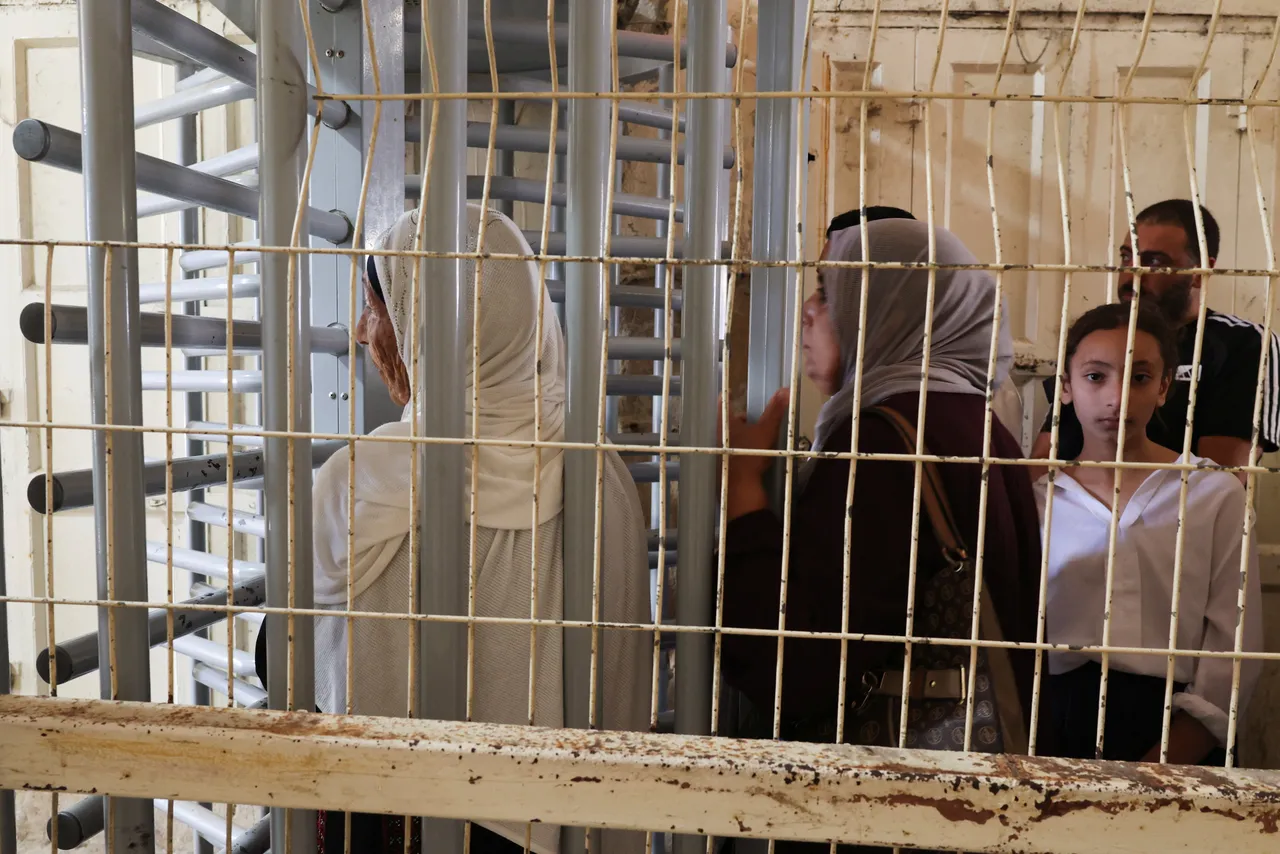
She added that Israeli soldiers blocked the family from crossing the checkpoint while firing tear gas canisters at Palestinians and vehicles, preventing the infant from reaching the hospital on time before he breathed his last.
Condemnation of movement restrictions
Ghannam denounced the child’s death as "a stain on the conscience of humanity."


She said the incident was part of "a policy pursued by Israel through military checkpoints, gates and road closures to obstruct the movement of Palestinians, patients and ambulances, in violation of the rights to life, movement and freedom of mobility."
The governor said the targeting of children, whether "through occupier attacks, direct killings, or by denying them medical treatment and leaving them to die at checkpoints, exposes the true face of the occupation."
Israel maintains a network of military checkpoints and gates across the occupied West Bank that restrict Palestinians' movement between cities and towns, including access for patients and ambulances to medical facilities.
In April 2026, the UN documented 925 movement obstacles across the occupied West Bank, including occupied East Jerusalem, with checkpoints and road gates accounting for nearly 60 percent of them.