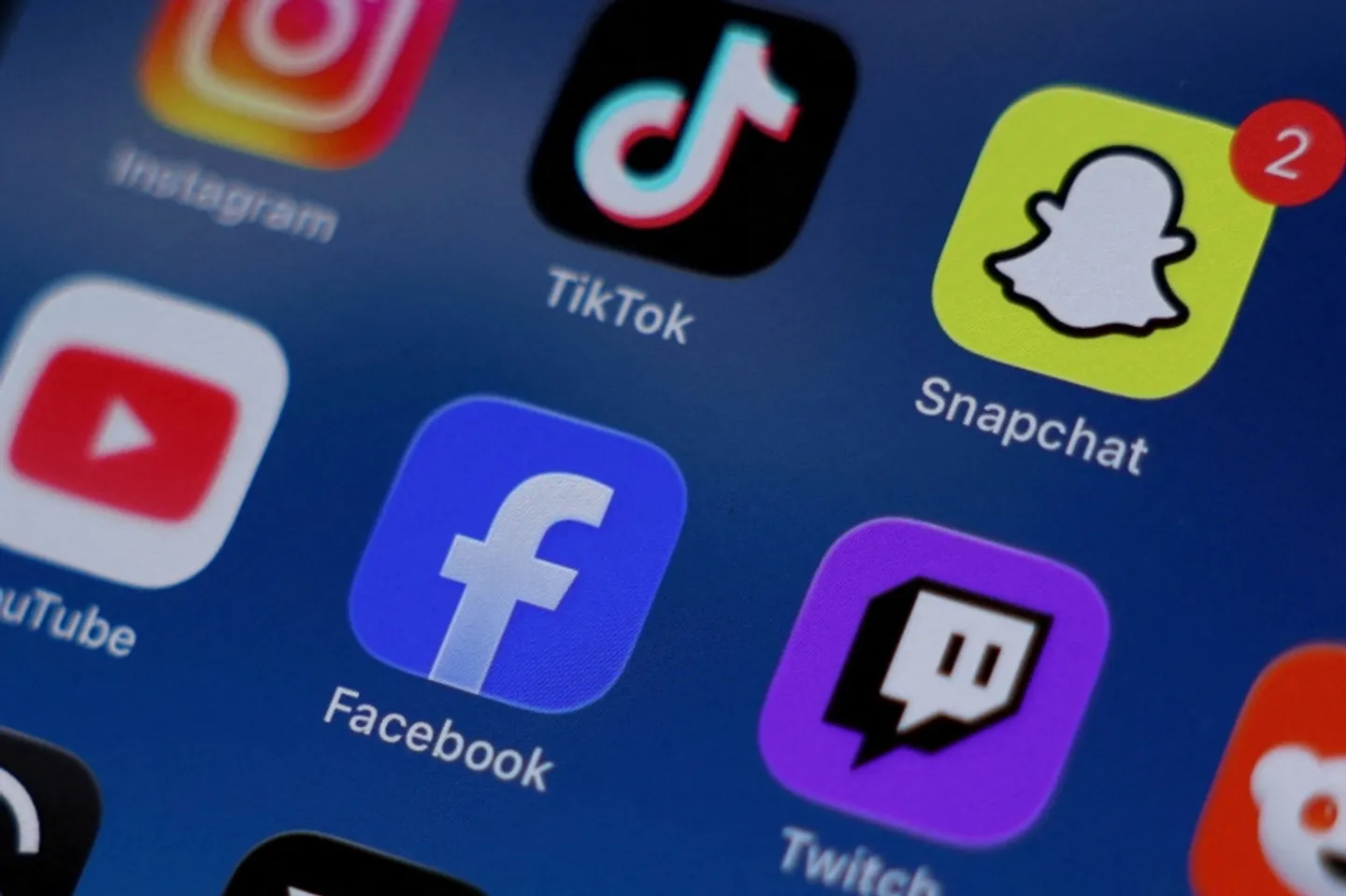
YouTube CEO Neal Mohan has rejected calls for the company to join Meta’s multistate settlement over allegations that social media platforms contributed to youth mental health problems, arguing that YouTube already has extensive measures aimed at protecting younger users.
“We have invested in making sure that young people are safe on our platform … for a very long time,” Mohan told CNN on Wednesday. He said YouTube would continue to prioritise child safety while developing new features for creators and viewers.
Meta recently agreed to an $18 billion settlement with multiple states over allegations that its platforms were designed to encourage addictive use and contributed to a youth mental health crisis.
The company has urged competitors, including YouTube and TikTok, to adopt measures similar to those included in the agreement.
Those proposals include limiting the amount of time teenagers can spend on the platforms, removing “like” counts from teen accounts and establishing independent oversight of safety practices.
Calls on others to adapt similar safeguards
Meta has also launched public appeals and advertisements urging other technology companies to adopt similar safeguards.
Under the settlement terms, Meta said it would pay 70 percent of the settlement amount unless TikTok and YouTube agreed to contribute roughly $6 billion each and implement comparable measures.
California Attorney General Rob Bonta has said the states could pursue legal action against TikTok and YouTube if they decline to participate.
Mohan, however, pointed to safeguards YouTube already offers, including parental controls that allow parents to limit how much time teenagers spend watching Shorts, the platform’s short-form video service.







He also said YouTube consults independent experts when developing child-safety features.
“We’re a very different platform (from Meta), too,” Mohan said, highlighting YouTube’s focus on expanding the amount of content users watch on television screens at home.
TikTok has not publicly responded to calls to join Meta’s settlement. Bonta’s office did not immediately respond to a request for comment on Mohan’s position.
YouTube faces its own youth-safety litigation
The dispute comes as YouTube and Meta face broader legal scrutiny over the effects of their platforms on young people.
In March, a Los Angeles jury found YouTube and Meta liable after a trial concluded that the companies had intentionally designed their platforms in ways that contributed to a young woman’s addiction and mental health problems. Both companies have said they intend to appeal the ruling.
A YouTube spokesperson previously argued that the verdict misunderstood the platform, describing YouTube as a responsibly designed streaming service rather than a social media platform.
Earlier this year, YouTube settled a similar lawsuit brought by another teenager. TikTok and Snap also reached settlements in that case, while the claims against Meta were dropped.
Despite those agreements, YouTube, Meta, TikTok and Snap continue to face hundreds of lawsuits brought by individuals, families and school districts alleging that their platforms have harmed young users.