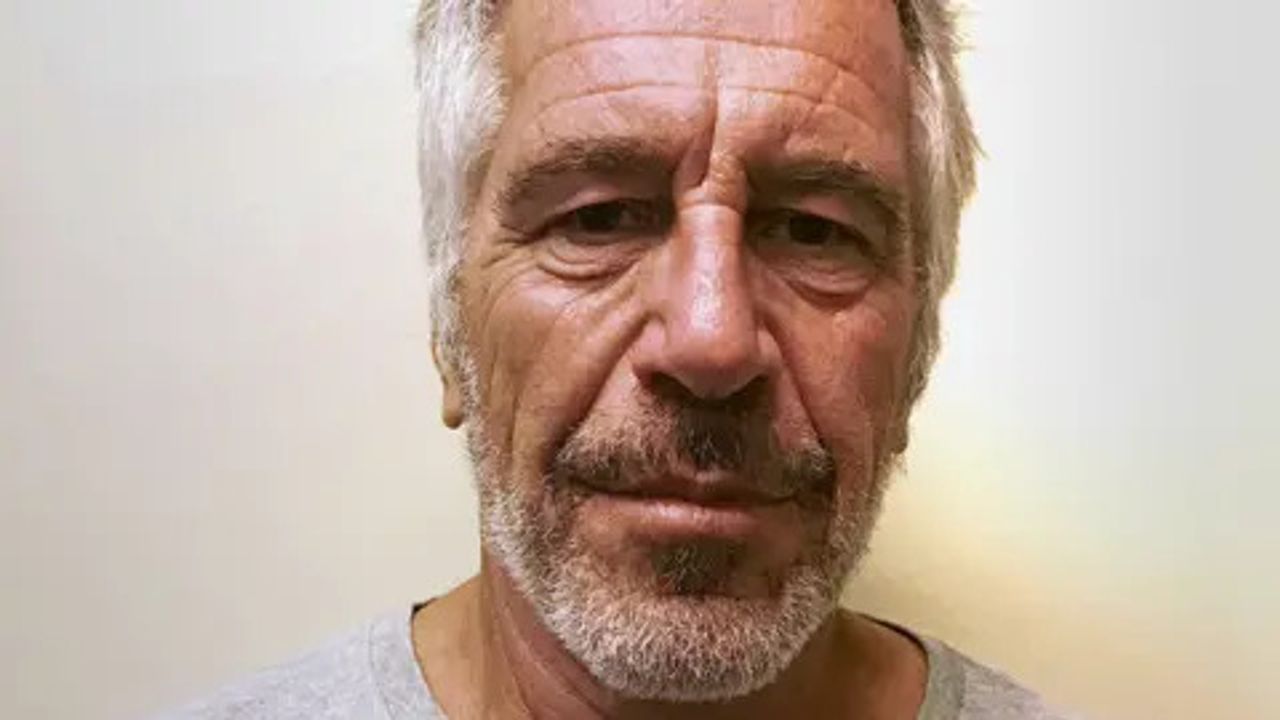
New Mexico has sued the US Department of Justice for access to unredacted files on the disgraced financier Jeffrey Epstein, alleging the federal agency is stonewalling the state's investigation into the late sex offender by refusing to provide documents.
The lawsuit escalates a dispute over the agency's Epstein files, an issue that has dogged the Trump administration.
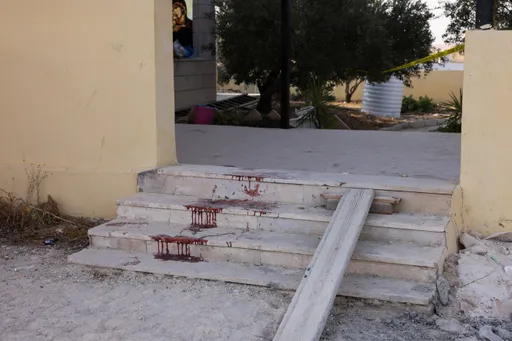
The state reopened its investigation in February and requested unredacted DOJ files to identify visitors and staff at Zorro Ranch, a property owned by Epstein near Stanley, New Mexico.
The US Department of Justice said it provided some files but was prevented from supplying other material due to privacy protections.
"Federal inaction does not merely stall the investigation; it prolongs and compounds the suffering of survivors," the lawsuit argued, requesting that the US District Court for the District of Columbia compel acting US Attorney General Todd Blanche to release the files.
The DOJ responded that under the Epstein Files Transparency Act and protective court orders, it was neither required nor permitted to disclose victim-identifying information.
"New Mexico has provided no lawful basis to justify such sweeping disclosures," a spokesperson said.
Investigative hurdles


New Mexico Attorney General Raul Torrez noted the state was devoting substantial resources to the probe.
"We haven't charged someone because we need to see those files before we charge someone," Torrez said.
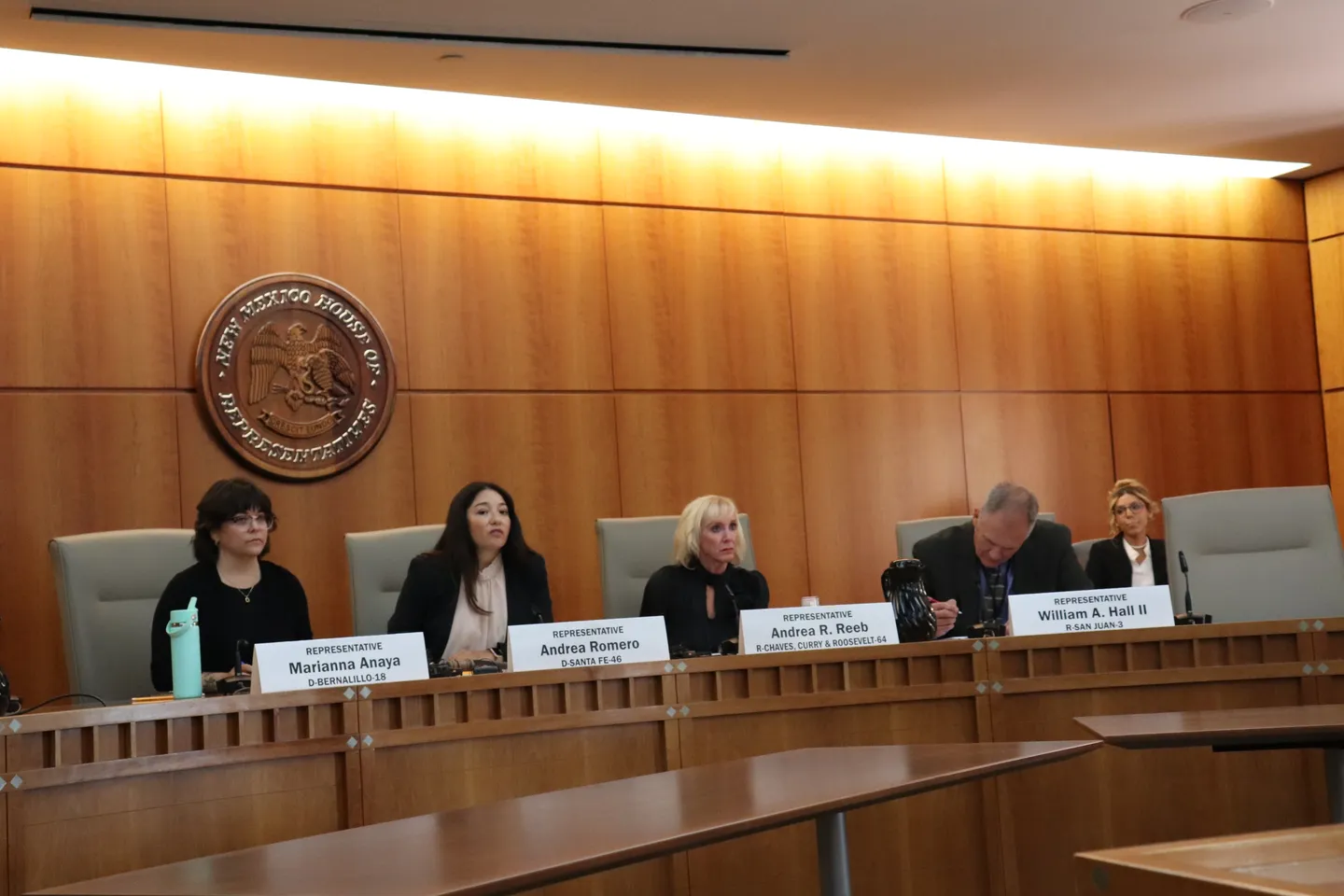
Legislators also released an interim report on their Truth Commission probe into Epstein.
Evidence shows Epstein abused at least five women and girls at Zorro Ranch between 1996 and 2012, with at least 30 other individuals potentially abused.
Commission Chair Andrea Romero said seven subpoenas were refused or ignored, including requests to the Federal Aviation Administration for flight records and to the US Attorney's Office for the Southern District of New York for evidence handed over in 2019.
State authorities claim the DOJ reneged on a 2019 deal under which New Mexico halted its probe and transferred evidence in exchange for continued information sharing.
Torrez stated the state investigation faces obstacles, including elapsed decades, evidence disappearance after the ranch's 2023 sale, and jurisdictional issues.