A sweeping Turkish investigation into an international investment fraud network has uncovered an Israeli-linked corporate trail stretching from Istanbul to Limassol, with company records placing a detained Israeli national at the centre of a Greek-administered Southern Cyprus-registered firm connected to the scheme.
The investigation also highlights a broader question about the network's use of the Greek-administered south of the island, where Israel has significantly deepened its security and commercial ties in recent years.
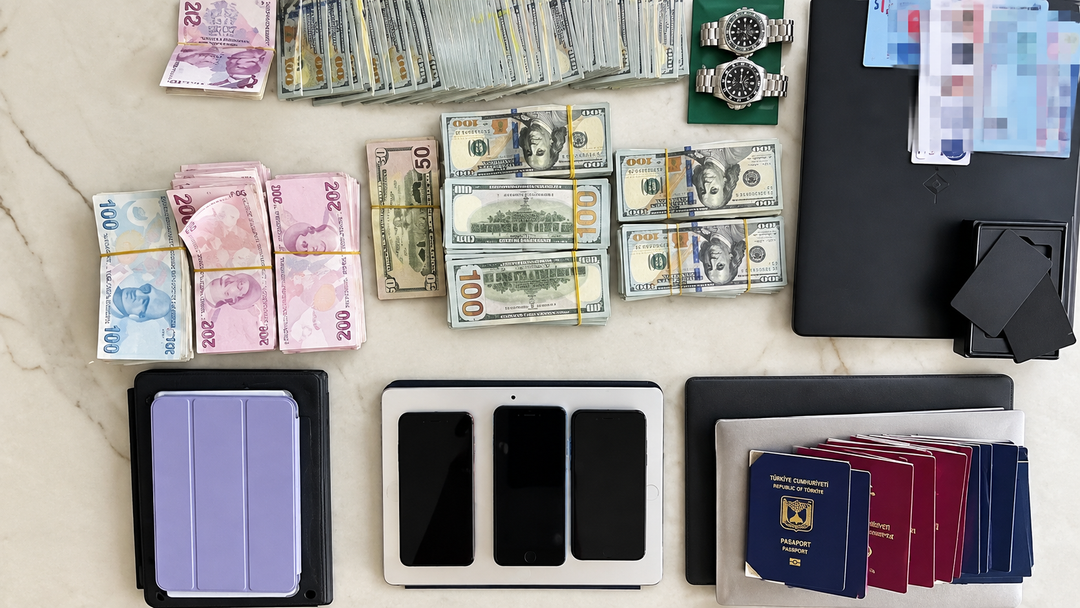
Turkish authorities announced the operation on September 18, saying they have targeted 28 companies and 42 call centres that investigators say were used to defraud victims through fake forex and cryptocurrency investment schemes.
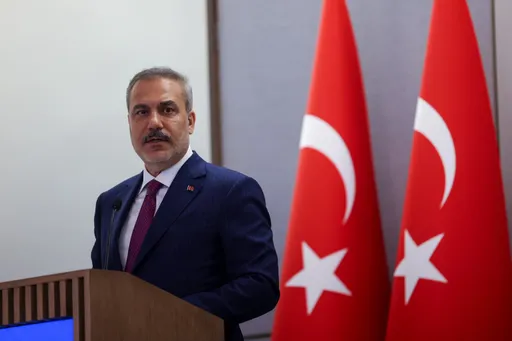
Turkish Justice Minister Akin Gurlek said financial and intelligence investigations found that people linked to Israel were predominant among the ownership and ultimate-beneficiary structures of the companies under investigation.
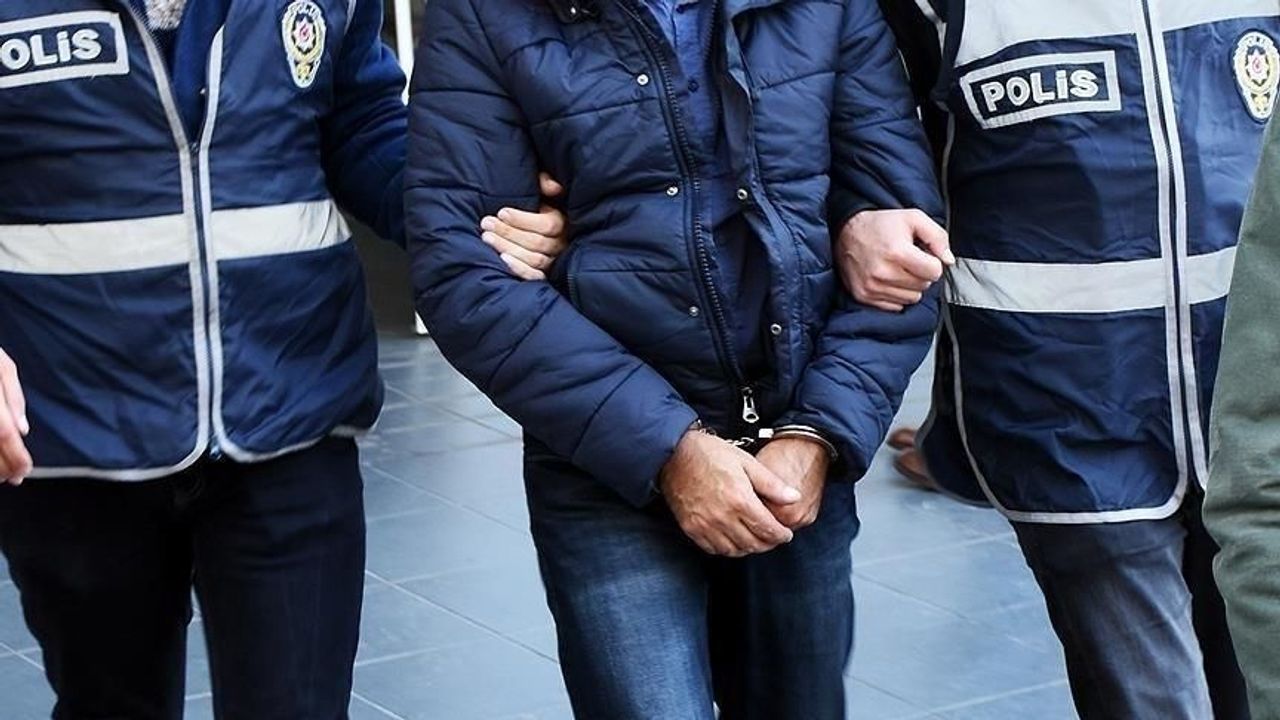
Authorities detained 175 of 239 suspects during initial raids at more than two hundred addresses in Istanbul and Mugla. The investigation involved Türkiye's Financial Crimes Investigation Board (MASAK), the National Intelligence Organization (MİT), police and prosecutors, with hundreds of complaints obtained through Interpol, according to Turkish authorities.
Investigators said transactions linked to the network reached approximately 13 billion Turkish liras ($266 million) over two years.
Israeli links at the heart of the Turkish probe
The Israeli connection identified by Turkish investigators extends beyond the nationality of individual suspects.
Nine Israeli citizens were reported among those arrested, according to Israeli media citing Turkish reporting.
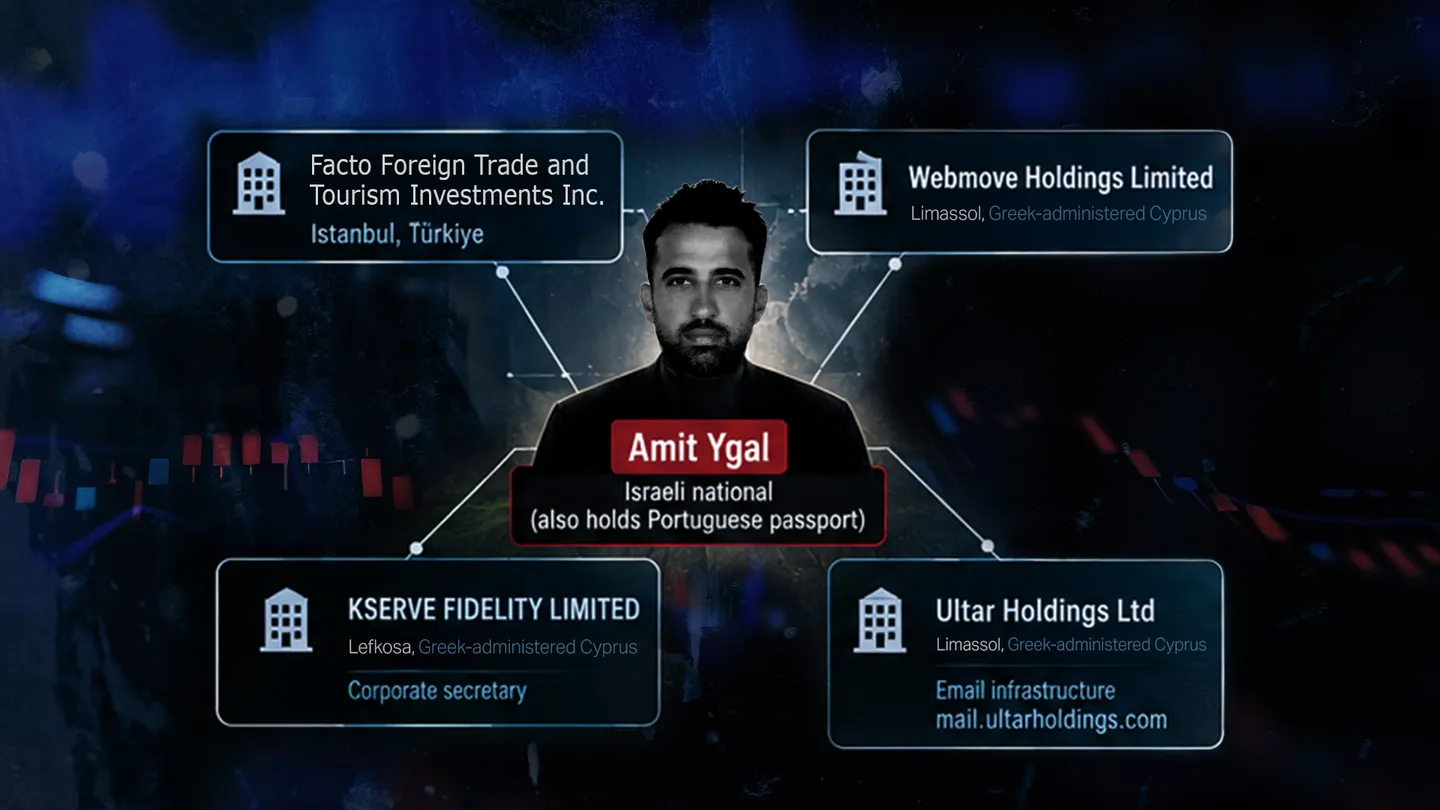
Among the suspects is Amit Ygal, an Israeli national who also holds a Portuguese passport.
Turkish authorities identified Ygal as formally working as a "Training Manager" at Facto Dis Ticaret ve Turizm Yatirimlari A.S., a company based in Istanbul's Maslak district.
Turkish financial investigators identified transactions exceeding 17 million Turkish liras ($350,000) through accounts associated with Ygal, according to information provided in the investigation.
From Istanbul to Limassol
TRT World investigation team has found that Ygal's corporate footprint extends beyond Türkiye.
The Greek Cypriot company records list Ygal as a director of Webmove Holdings Limited, a private company incorporated in Limassol on March 15, 2024.
The company is listed as active, with Greek part of divided Lefkosa city-based Kserve Fidelity Limited serving as its secretary.
Turkish reporting has identified Webmove as part of the network. Daily Sabah reported that investigators believe Ygal operated the network through the Greek-administered Cyprus-based company and that payments from victims were routed through European accounts, including accounts linked to the company, before being converted into cryptocurrency and transferred to Portugal.
Those allegations remain part of the Turkish investigation.
Corporate records independently establish Ygal's directorship at Webmove, but do not, by themselves, establish that the company committed or facilitated criminal activity.
TRT World also found a technical connection between Webmove and another Limassol-based company.
Network records reviewed by the investigation indicate that Webmove's corporate communications were routed through mail.ultarholdings.com, an AWS-hosted infrastructure associated with Ultar Holdings Ltd.
Greek Cypriot corporate records identify Israeli businessman Yuval Dael as a director and secretary of Ultar Holdings.
Corporate filings also link Dael to HappyPay Holdings Ltd, a Greek-Cypriot company now recorded as being in voluntary liquidation.
The overlapping corporate and technical records establish links between companies and individuals, but do not by themselves establish criminal involvement by Dael or Ultar Holdings.
Greek-administered Cyprus and Israel: a relationship deepened by the genocidal war on Gaza
The Limassol corporate trail emerges against the backdrop of increasingly close relations between Israel and the Greek Cypriot administration.
In December 2025, the Greek Cypriot administration and Israel, together with Greece, reaffirmed cooperation in security, defence and military affairs, as well as maritime security and critical infrastructure. The trilateral declaration also welcomed the establishment of a Maritime Cybersecurity Center of Excellence in Greek- administered Cyprus.
Greek Cypriot administration and Israel have also expanded bilateral defence contacts. In December 2025, the Greek Cypriot and Israeli defence ministers discussed strengthening bilateral security and defence cooperation, while senior Greek, Israeli and Greek Cypriot military officials have held talks on closer operational cooperation.
Greek-administered Cyprus has also emerged as a destination for Israeli military personnel travelling abroad.
In July 2025, activists sought the arrest of an Israeli soldier they said was holidaying on the island, filing a criminal complaint with Greek Cypriot authorities and accusing him of war crimes and crimes against humanity in Gaza.
Israeli property ownership surges
The relationship is not confined to defence and security.
Official Land Registry data tabled in Greek-administered Southern Cyprus' parliament show that Israeli buyers acquired 3,909 properties between 2021 and the end of 2024, making Israel the fourth-largest foreign nationality in the available dataset, behind the UK, Russia and Greece.
The purchases were concentrated in coastal districts in the Greek-administered south of the island: 1,406 properties in Larnaca, 1,291 in Paphos, 1,154 in Limassol and 58 in Famagusta.
A separate parliamentary question asking how much land in the Greek-administered south of the island had passed into Israeli ownership had no answer in the available records.
The scale of Israeli property acquisition nevertheless illustrates the growing economic and social footprint of Israelis on the island.
A network spanning several jurisdictions
According to Turkish authorities, the wider fraud operation used multilingual call-centre employees to approach victims with online advertisements promising high returns from forex and cryptocurrency investments.
Investigators say victims were directed to platforms displaying fabricated profits. When they attempted to withdraw their money, operators allegedly demanded additional payments described as taxes or account-unblocking fees.
Authorities said victims were targeted across Europe, Asia and Africa, while proceeds were moved through bank accounts and cryptocurrency wallets abroad.
The emerging picture is therefore of a network operating across multiple jurisdictions: alleged boiler-room operations in Türkiye, Israeli-linked suspects and ownership structures identified by Turkish investigators, and a corporate and technical footprint extending into Limassol.
The Greek-administered Cyprus connections are particularly significant because they sit within a rapidly expanding Israel-Greek-administered Cyprus relationship encompassing defence, maritime cooperation, tourism, property and business.
For investigators, the central unresolved question is how the Istanbul call centres, Israeli-linked individuals and ownership structures, and the Greek-administered Cyprus-registered companies and technical infrastructure fit together — and whether the offshore entities played an operational or financial role in the alleged fraud.