 Ahmed Najar
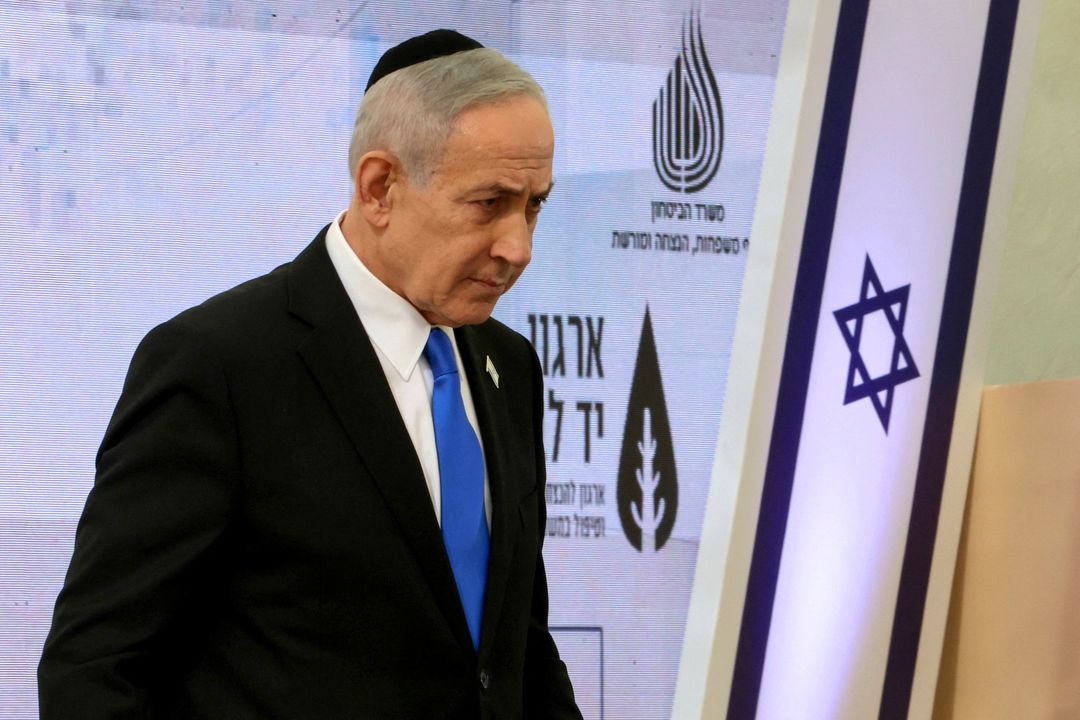
Benjamin Netanyahu has rarely needed peace to prove his political relevance. He needs danger.
With Israel heading towards elections on October 27, Netanyahu finds himself in an unusually vulnerable position.
His Likud party is trailing in several recent polls, while his governing bloc has no assured path to a majority.
After years of war, Israelis are exhausted, Netanyahu’s promise of “total victory” has failed to materialise, and his claim to be Israel’s indispensable security leader is being tested.
And now, Netanyahu appears to have found a new enemy: Türkiye.
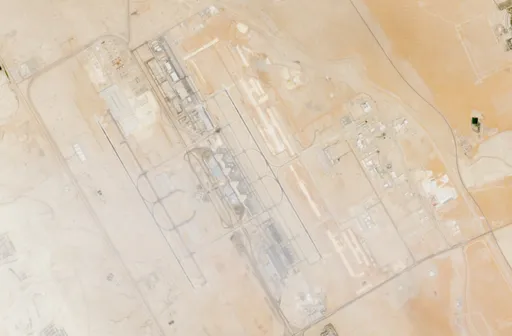
On August 18, Israeli warplanes struck the Abu al-Duhur military airbase in northern Syria.
Netanyahu’s office claimed Syria was preparing to allow Turkish forces to deploy there, threatening Israeli security.
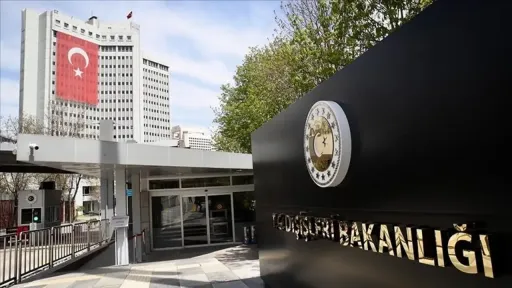
Türkiye denied establishing such a presence, while Syrian Foreign Minister Asaad al-Shaibani said he had already made clear to Israel that there were no plans for a permanent Turkish base.
What followed was almost as significant as the strike itself.
Rather than treating it as a discreet military operation, Netanyahu turned it into a public confrontation.
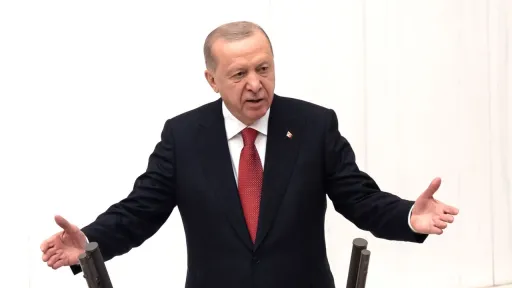
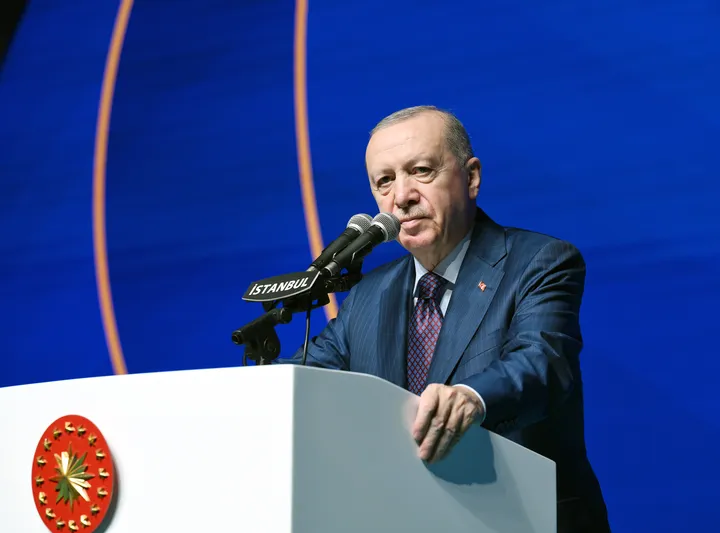
He issued a one-word warning to Türkiye, while Defence Minister Israel Katz accused President Recep Tayyip Erdogan of embarking on “dangerous adventures” in Syria.
But even those within Israel’s own security establishment found the rhetoric alarming.
Israeli media reported concerns among security officials that Netanyahu and Katz were risking an unnecessary escalation with Türkiye and that the confrontation was becoming entangled with election politics.
Washington also appeared uncomfortable. Tom Barrack, the US ambassador to Türkiye and President Donald Trump’s special envoy for Syria, described the Israeli strike as an “unnecessary escalation”.
More extraordinarily, he publicly raised the possibility that Israel was “baiting” Türkiye into confrontation because such a clash could have domestic political value before the election.
US intelligence, Barrack said, did not support Israel’s assertion that Turkish military assets were being moved into the base, although Israeli officials insist they possessed intelligence indicating otherwise.
Why Türkiye, why now?
But there is a deeper question here than Netanyahu’s electoral calculations.
Describing Israel’s actions simply as a response to “security concerns” risks accepting Israel’s own definition of security without interrogating what that definition has come to mean.
Israel was not responding to Turkish troops entering Israeli territory. It bombed Syria – a sovereign country – to pre-empt an alleged Turkish military presence on Syrian soil.
That distinction matters.
Israel has occupied Syrian territory, established what it calls a security zone beyond its internationally recognised frontier, repeatedly bombed Syrian military infrastructure and insisted upon its freedom to operate militarily inside the country.
Yet when Syria attempts to rebuild military capabilities, or develops relationships with another regional power, Israel presents that too as a threat to its security.
The contradiction points towards a much larger problem with Israel’s regional doctrine: Netanyahu’s fantastical conception of absolute security in Israel increasingly appears to require the permanent insecurity of everyone around it.
A weak Syria is tolerable; a Syria capable of defending its airspace becomes a potential threat.
Lebanon must not possess forces capable of deterring Israeli military action. Iran’s military capabilities must be degraded. Palestinians are expected to remain effectively defenceless while living under occupation and repeated Israeli military assault.
And now, Türkiye’s influence in Syria must apparently be contained.
Security, understood this way, no longer means simply protecting Israel from attack.
It means preserving overwhelming Israeli military superiority and the freedom to strike neighbouring countries without those countries acquiring the ability to meaningfully constrain it.
Türkiye presents a particular problem precisely because it cannot be subjected to that hierarchy.
It is a major regional power, a NATO member and has the transatlantic alliance’s second-largest army.
Türkiye is not another arena in which Israel can expect military pressure to translate into political submission; any attempt to coerce it would confront a level of military, political and regional power that Netanyahu can not simply bomb away.
This is where Israel’s regional doctrine and Netanyahu’s personal political interests converge.
Netanyahu does not need to invent Türkiye as an adversary. There are real disagreements between Ankara and Tel Aviv over Gaza, Syria and the future balance of power in the region.



He only needs to transform those disagreements into something much larger: another existential threat to Israel.
His election campaign is already doing precisely that.
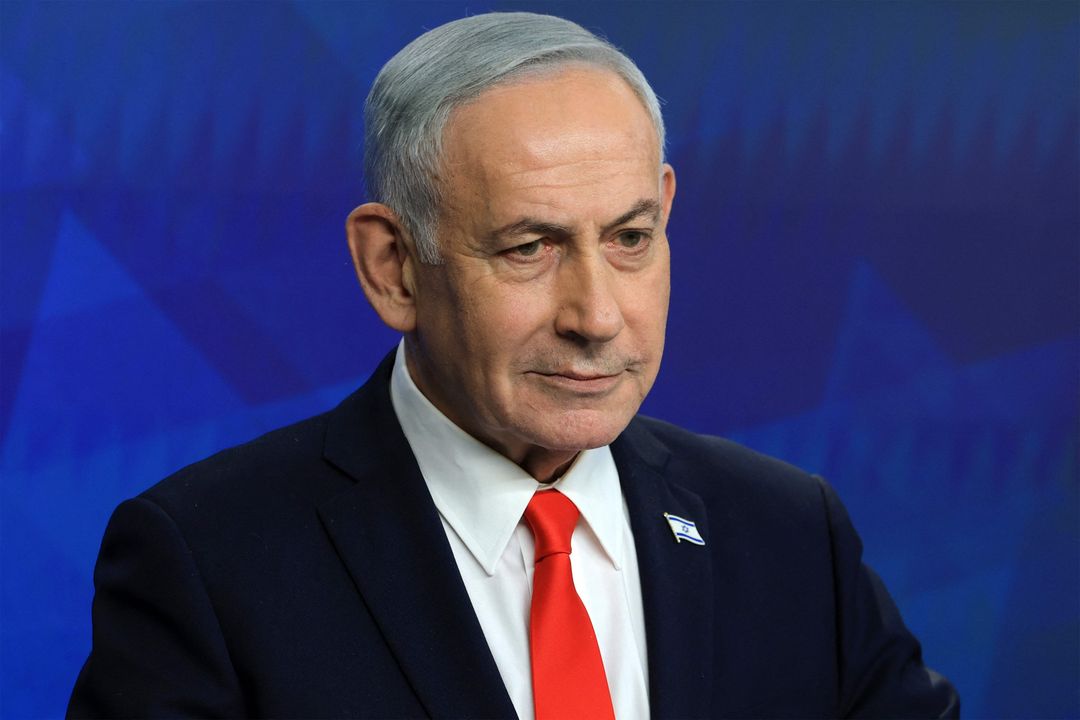
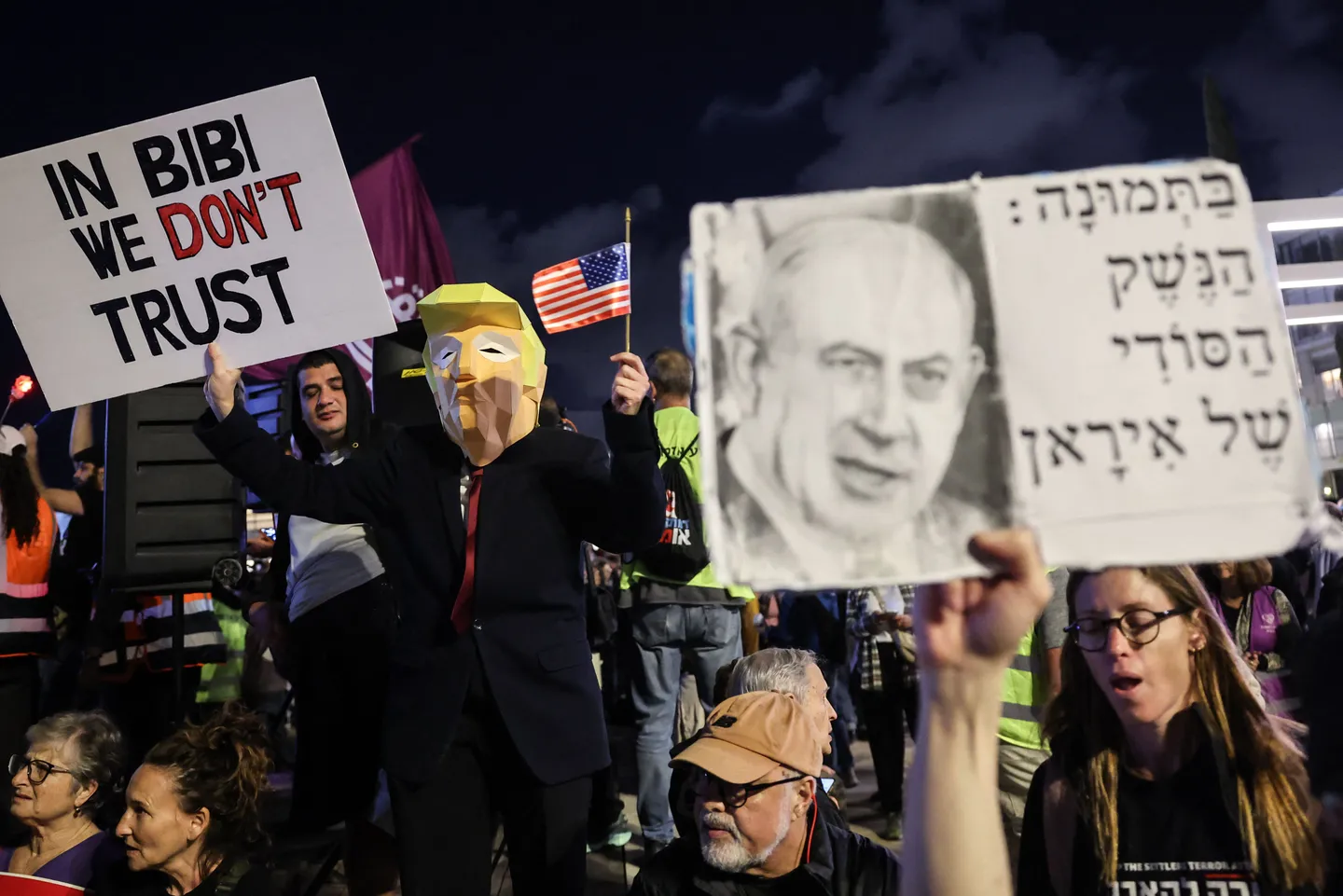
Across Tel Aviv, Likud billboards have turned national security into crude cult-of-personality appeal centred on Netanyahu: “They want Netanyahu to lose. Don’t let them win.”
Think about what that message actually says.
It collapses foreign policy, national security and Netanyahu’s personal political survival into one proposition: Israel’s enemies want Netanyahu gone; therefore, removing Netanyahu is itself a victory for Israel’s enemies.
This has been central to Netanyahu’s politics for years. He has cultivated the persona of ‘Mr Security’, the leader uniquely capable of protecting an Israel supposedly surrounded by existential threats.
The enemies change. The political proposition remains remarkably consistent.
But Netanyahu faces a problem this time.
After years of war, Hamas alone may no longer be enough. Gaza has been devastated, tens of thousands of Palestinians have been killed, yet Netanyahu’s promised “total victory” has remained elusive.
War has not delivered the decisive political or strategic conclusion he repeatedly promised Israelis.
From hero to zero
Netanyahu therefore needs something bigger. This time, however, he has raised the stakes so far that he may have picked an adversary he cannot intimidate, dominate or control.
The political story can shift from I am fighting Hamas to something far grander: Israel faces an emerging regional network of powerful enemies, the danger is expanding, and only I possess the experience and resolve necessary to confront it.
For all his bravado, Netanyahu’s posture towards Türkiye looks far more like political theatre than preparation for war.
A full-scale conflict with Türkiye is not one he can credibly expect to initiate or contain; he merely needs to behave as though he might, because the spectacle of confrontation serves his political purpose.
Politically, he needs something less than war but more than peace. He needs the politics of permanent threat.
A powerful adversary. An approaching danger. And Netanyahu once again presenting himself as the indispensable man standing between Israel and catastrophe.
However, there is something profoundly disturbing about discussing this merely as an Israeli electoral strategy.
Israel’s domestic politics do not remain inside Israel’s borders.
Palestinians know this more brutally than anyone. Syrians experience it when Israeli aircraft strike their country.
Lebanese civilians have experienced it through repeated wars and bombardment. Iran has now experienced direct Israeli military confrontation.
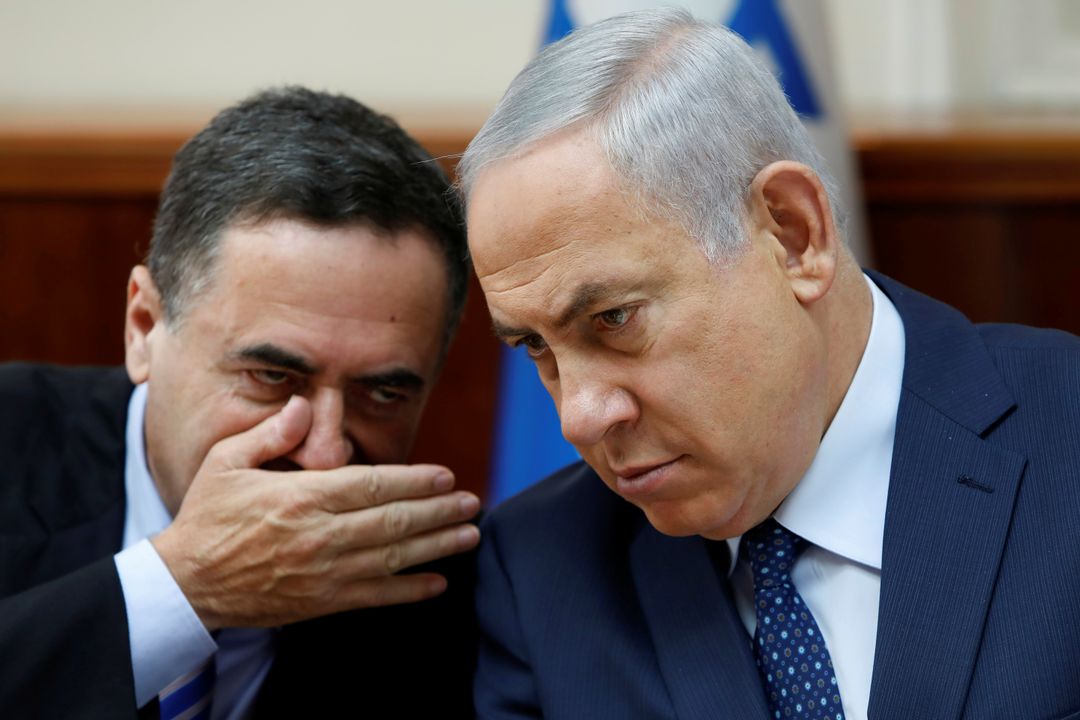
The human beings on the receiving end of Israeli military power do not experience Netanyahu’s political calculations as opinion polls, campaign slogans or electoral strategy.
They experience them as bombs. And there is an even larger contradiction that Israel’s invocation of “security” can no longer be allowed to obscure.
No state can indefinitely insist that its own security requires its neighbours to remain weak, fragmented, occupied, disarmed or incapable of defending themselves, while describing every attempt by those neighbours to acquire meaningful power as an existential threat.
That is not simply a demand for security. It is a demand for regional dominance.
Netanyahu has turned that doctrine into an extraordinarily effective political instrument. If Israel must always be surrounded by danger, then Israel must always require the leader who presents himself as uniquely capable of confronting it.
That is why Türkiye matters politically now.
In his attempt to rescue his own political future, Netanyahu has pushed the threat narrative to a fantastical level he can not realistically translate into action, resorting instead to increasingly ugly provocations against Türkiye.
His rhetoric is deliberately louder than the power behind it: he needs the appearance of a confrontation, not the war his words imply.
Between now and October, what Netanyahu needs is an enemy powerful enough to frighten Israeli voters – and a crisis large enough to make his own political survival appear synonymous with Israel’s.
And as an election approaches that could end his long dominance of Israeli politics, the most dangerous question may not be whether Israel has found one.
It is whether Netanyahu can politically afford not to have one.