 Kazim Alam
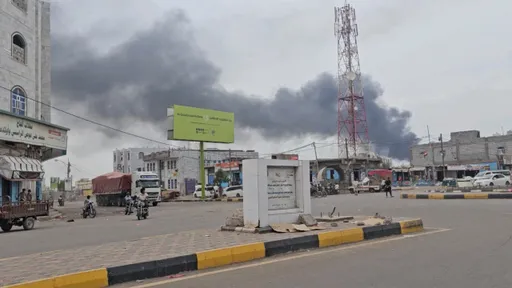
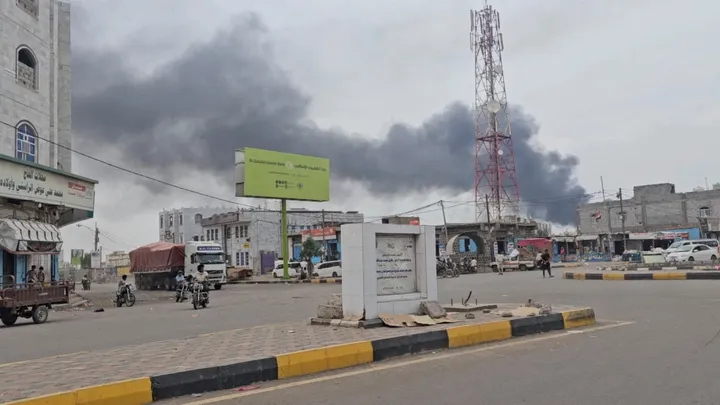
The already tense relations between Tel Aviv and Ankara hit a new low earlier this week when Israel attacked the Abu al-Duhur Military Airbase in Syria’s Idlib province.
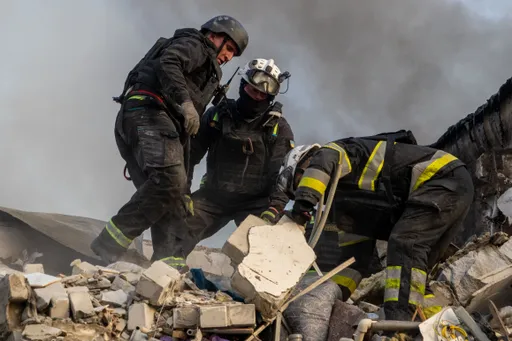
The aerial strikes resulted in no casualties, even though they reduced the runway and storage facilities to rubble.
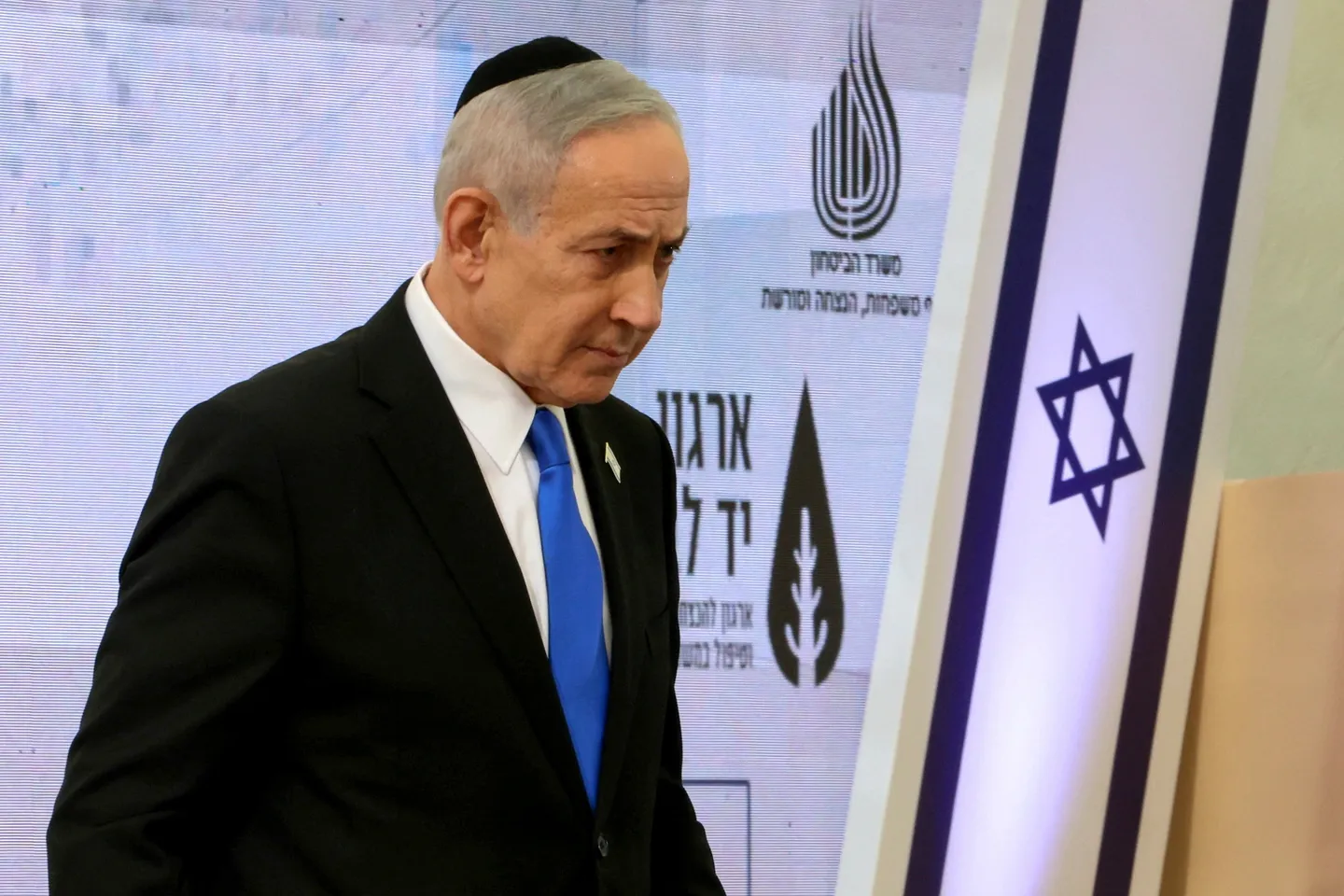
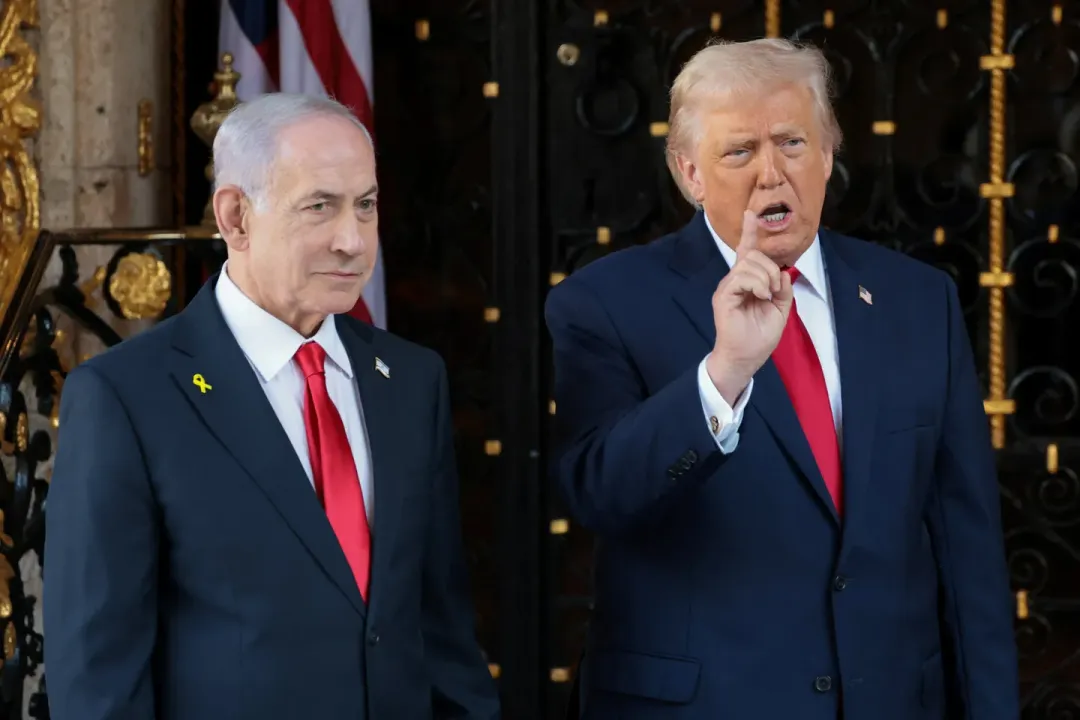
The office of Israeli Prime Minister Benjamin Netanyahu claimed the strike stopped Syria from allowing Turkish troops to deploy at the base, asserting that such a move would breach the security status quo.
Netanyahu also warned Türkiye against a military buildup that “descends south because it threatens us”.
Türkiye strongly condemned the attack, stating that Israel continues to target Syria’s infrastructure and capabilities, while undermining the country’s territorial integrity and unity.
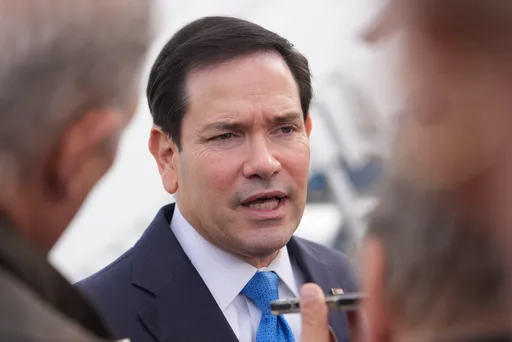
Ankara also called on the international community to adopt a more resolute stance to end Israel’s aggression against Syria. Washington joined Türkiye in criticising the attacks, with US envoy to Syria Tom Barrack describing the Israeli attacks as “unnecessary escalation” that hurt regional stability.
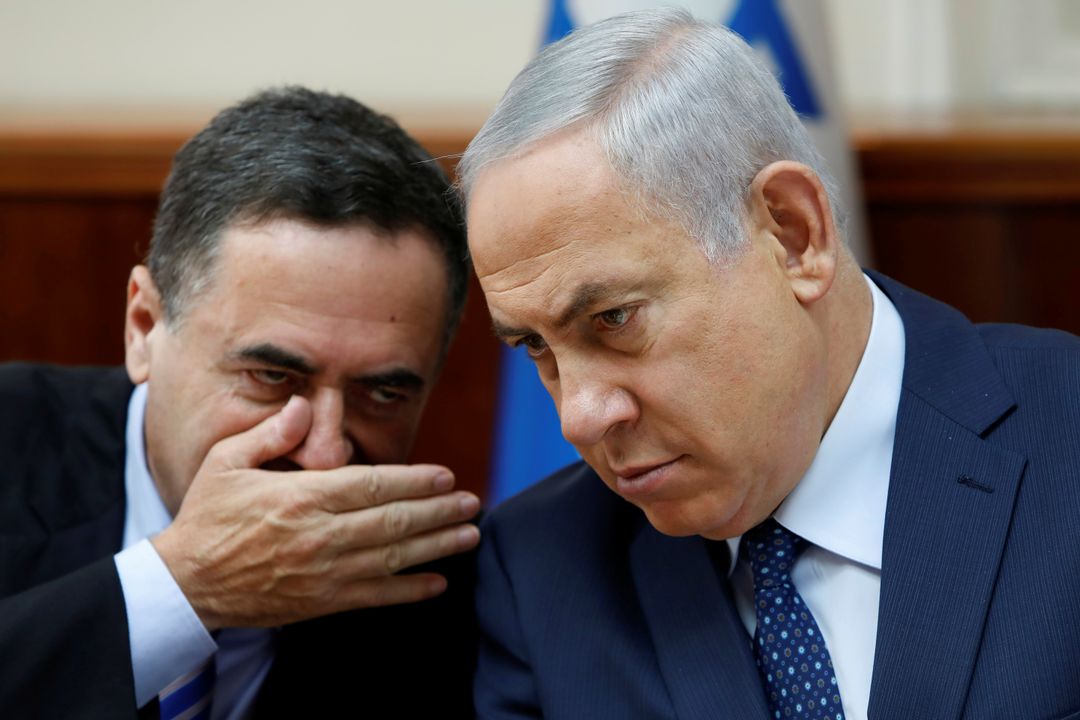
Experts say Israeli aggression in Syria is a calculated attempt by Netanyahu to invent a Turkish security threat for domestic political gain.
Israel will hold elections in October. Already the longest-serving prime minister in Israeli history, Netanyahu is fighting for his political survival – a fact reflected by his poor showing in pre-election public polls.
Israel’s rhetoric and actions risk broader confrontation with Ankara, a NATO member, that possesses military capabilities far superior to those of the rest of regional actors, analysts say.
Gokhan Batu, a Levant studies analyst at the Ankara-based Centre for Middle Eastern Studies, tells TRT World that Netanyahu has mounted an “open challenge to Türkiye’s influence” by attacking the Abu al-Duhur Military Airbase.
He says that the region and wider world are going through a period of transition amid Washington’s reluctance to remain the sole security provider.
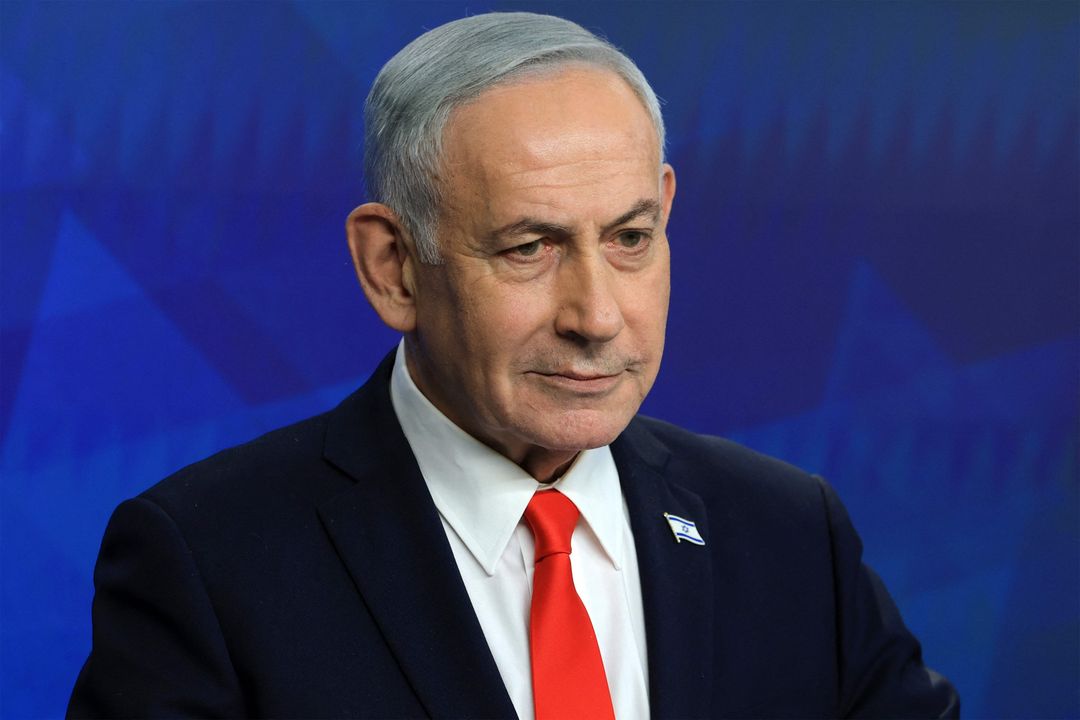
Analysts say Netanyahu’s multiple wars across the region are part of a well-thought-out plan to bolster his chances of winning the forthcoming national elections that he is widely expected to lose.
Former Israeli premier Ehud Barak called out Netanyahu for “deliberate” escalation of tensions with Türkiye, calling the move “reckless and stupid”.
“It strongly reeks of a political motive to go into elections with a string of security tensions that would fuel public anxiety,” Barak was quoted as saying.
Similarly, opposition leader Yair Golan criticised Netanyahu for his “provocative and dangerous” decision to hit Syria.
“Military force is once again being used for political considerations,” he said, while calling Netanyahu an “extremist and unreliable” politician.
Türkiye military might: A threat to hegemon
Coming shortly after the Mecca Joint Defence Agreement – a pact between Türkiye, Saudi Arabia, and Pakistan based on collective deterrence – the timing of the Israeli strikes is “significant”, according to Batu.
“Israel wants to signal that the (Mecca) agreement will not deter it,” he says.
Tel Aviv is “deeply unhappy” that Saudi Arabia, with which Israel has sought to normalise relations for many years, has also joined the alliance.
Türkiye has long maintained a military presence in Syria. In northern Syria, Türkiye has carried out a series of successful anti-terror operations since 2016 to prevent the establishment of a terror corridor and ensure the peaceful settlement of residents.
Since the December 2024 revolution that toppled the dictatorial Assad regime, the situation in Syria has developed “in a direction very different” from what Israel envisaged, Batu says.
Israel’s initial response challenged the legitimacy of the new government and fuelled instability. Washington’s rapprochement with Damascus, together with US efforts to limit Israeli action, is pushing Israel to find new justifications for intervention, he adds.
“Its stated justification of protecting minorities has become even less credible, particularly after stability was established in the north and different ethnic groups were integrated into the government and armed forces,” he says.
Following the fall of the Baathist regime, Israel does not want a political and security order with much stronger popular support than its predecessor to consolidate on its northern frontier, Batu says.



“It claims to view this emerging order’s close ties with Türkiye as a threat. Israel is aware that this claim is not supported by evidence, but it needs pretexts to weaken the new structure to its north,” he says.
Türkiye’s military-industrial strength further complicates Israel’s calculations.
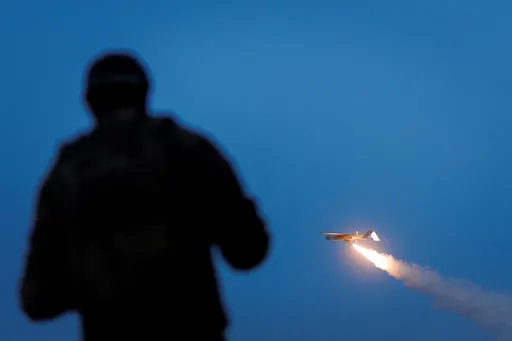
Ankara is already the world’s largest producer of military drones. The process which gained momentum after 2015 with cost-effective and capable platforms such as the Bayraktar TB2, has expanded to include the Bayraktar Kizilelma and Turkish Aerospace’s ANKA III, with air-to-air engagement capabilities.
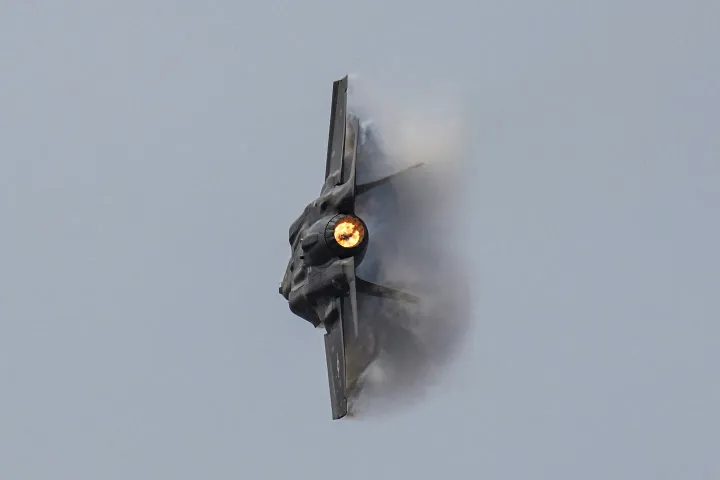
The indigenous fifth-generation KAAN fighter jet is also expected to enter service gradually from 2029.
“This gives Türkiye the potential to become the region’s leading air power and would confront Israel with a regional reality it has never experienced before,” Batu says.
Suggestions of outright armed conflict are not entirely without basis, he adds.
Ankara as ‘cooperative power’
Israeli strikes in Syria have also become a “reputational problem” for Türkiye, Batu says.
So far, Ankara has reacted with restraint. But it may become “increasingly difficult” for Ankara to maintain its restraint in response to continued Israeli aggression, Batu says.
Selcuk Aydin, an assistant professor at Bogazici University, says Israel’s growing anti-Türkiye stance is clearly an attempt to shore up electoral support ahead of October elections.
“Israel’s anti-Türkiye rhetoric traces back very much to the Israeli election process,” he tells TRT World.
He says the Israeli attacks in Syria appear to send a clear message to Ankara. But Türkiye is different from Iran: As a NATO ally, Türkiye has a strong defence industry and a joint defence agreement with Saudi Arabia and Pakistan, he says.
Netanyahu-led Israel seeks to establish hegemony and exert influence over regional politics, primarily through security-driven policies aimed at maintaining dominance, he notes.
In contrast, Türkiye’s approach in the Middle East is not solely focused on defence and security. It is deeply rooted in historical, cultural, religious, and economic cooperation, Aydin says.
Türkiye positions itself as a “cooperative power” rather than a dominant one, focusing on economic strength and stability rather than hegemony.
The two approaches are in direct conflict in the Middle East, he says.
“But I do not expect any kind of (full-on) security clash between the two countries,” he says.
Aydin also notes that recent tensions between Türkiye and Greece, along with Greece’s reactionary policies, are closely linked to Greece’s relations with Israel.
While Israel may not openly confront Türkiye, it is strengthening its alliance with Greece against Ankara and its regional challengers, including Greek-administered Cyprus, he says.
According to Batu, the Abu al-Duhur strikes have fuelled claims that the operation was partly intended to boost Netanyahu’s popularity and capitalise on public security concerns ahead of the election.
But given Türkiye’s military capabilities, what began as an electoral manoeuvre by Netanyahu could turn into political suicide, he warns.
“Türkiye is simply not a country against which military risks can safely be taken for electoral gain. The stakes are too high,” he says.