 Kazim Alam
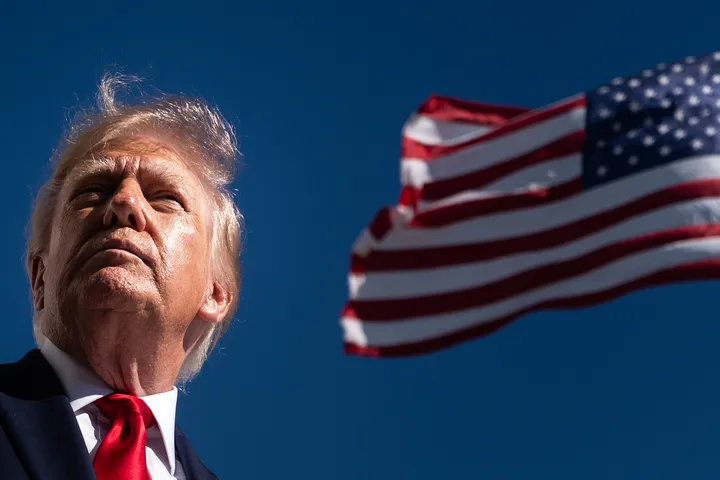
Israeli Prime Minister Benjamin Netanyahu is prolonging and expanding multiple wars across Gaza, Lebanon, and Iran to bolster his chances of winning the forthcoming national elections he is widely expected to lose.
Despite a US-brokered ceasefire signed in April, Israel has deepened its control of Lebanon beyond the Litani River, seizing strategic sites like Beaufort Castle.
At the same time, Tel Aviv has firmed up military control of roughly 70 percent of Gaza, besides joining the US in a full-scale war against Iran.
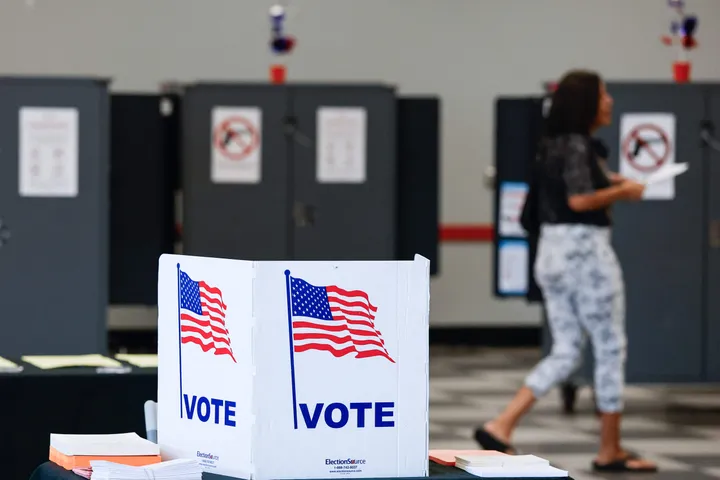
Originally scheduled for October but likely to take place earlier, the country will go to the polls for the first time since Hamas attacked Israel three years ago.
Tel Aviv has been at war ever since. It has attacked six countries, including Palestine, Iran, Lebanon, Qatar, Syria, and Yemen, since October 7, 2023.
These open-ended wars have contributed to Netanyahu’s growing unpopularity at home.
At the same time, Netanyahu has faced international isolation, with the UN-backed International Criminal Court issuing arrest warrants for him over war crimes.
Experts say Israeli prime ministers have shown a pattern of using security crises to obscure their governance failures and win over right-wing voters, regardless of mounting economic and social challenges.
Mtanes Shehadeh, a former Knesset member, tells TRT World that Israeli prime ministers have shown a historical tendency to escalate military offensives right before elections.
He cites Menachem Begin’s 1981 bombing of Iraq’s nuclear reactor shortly before the vote, which enjoyed broad public support, and Shimon Peres’s 1996 Operation Grapes of Wrath in Lebanon.
“However, Netanyahu has gone much further,” Shehadeh says.
“He has continued to wage wars not only in an effort to improve his electoral standing, but also in an attempt to obscure the impact of the major failure associated with the events of October 7, 2023,” he says.
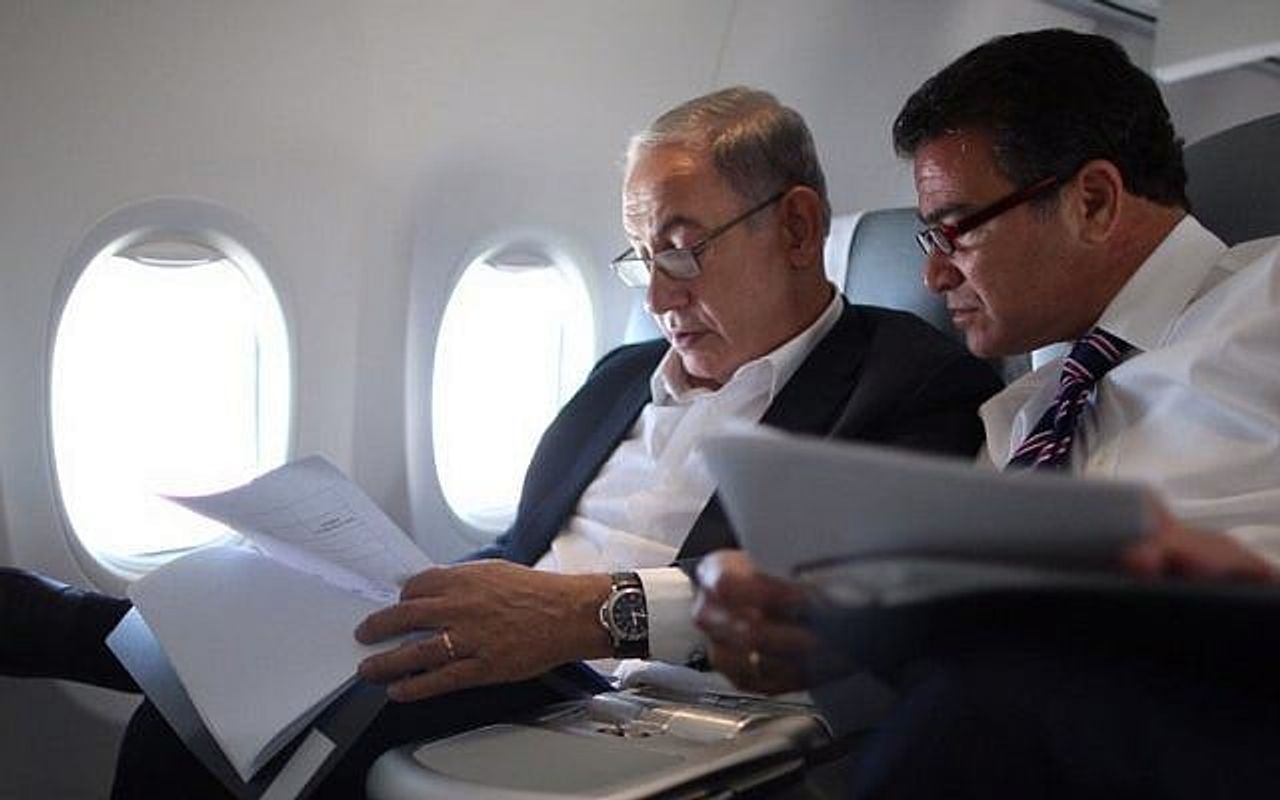
According to Shehadeh, Netanyahu has sought military successes to overshadow that failure, but has faced disappointment.
Objectives in the current wars against Iran and Hezbollah remain unmet, he notes.
Led by Netanyahu, the Likud party was in power from 2009 to 2021. After a brief stint out of power, Netanyahu regained the premiership in December 2022 and has led the country since then as Israel’s longest-serving prime minister.
Ozgur Dikmen, a PhD candidate at Stanford University studying Jewish politics, holds a similar view about Israeli premiers intensifying military attacks ahead of elections.
He refers to Ehud Olmert’s Operation Cast Lead in late 2008, ahead of the 2009 elections and Netanyahu’s 2012 military action against Hamas before the 2013 polls.
“Thus, we can certainly speak of such a pattern among Israeli prime ministers,” Dikmen tells TRT World.
He notes that these military attacks also serve to prop up coalitions, such as the 12-day war against Iran amid ultra-Orthodox conscription disputes.
Post-October 7, Israel struck multiple countries “in a bid to save the political image of Netanyahu from an imminent collapse”.
This pattern explains the stalled ceasefires in Gaza, the expanding Lebanon war, and resistance to settle a months-long war against Iran, he says.
Arik Rudnitzky of Tel Aviv University’s Moshe Dayan Center offers a different view.
He tells TRT World that there is “no clear pattern” of military escalation ahead of elections.
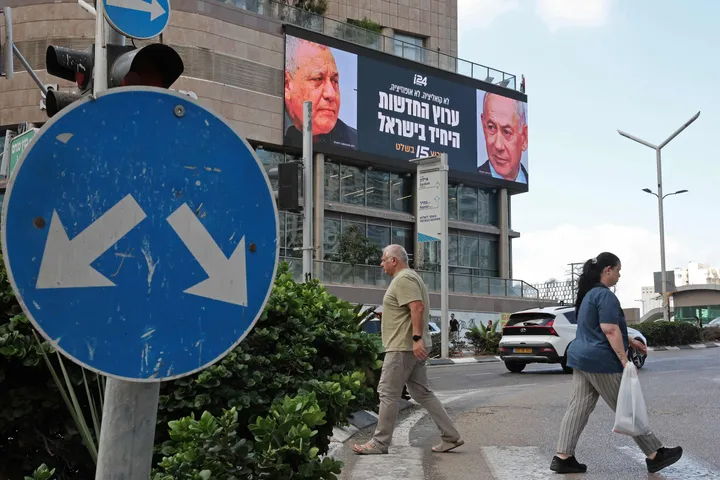


Instead, he frames Tel Aviv’s war in Lebanon as driven by “public demand” for security.
Yet, he acknowledges growing public frustration, saying military aggression has not delivered lasting quiet.
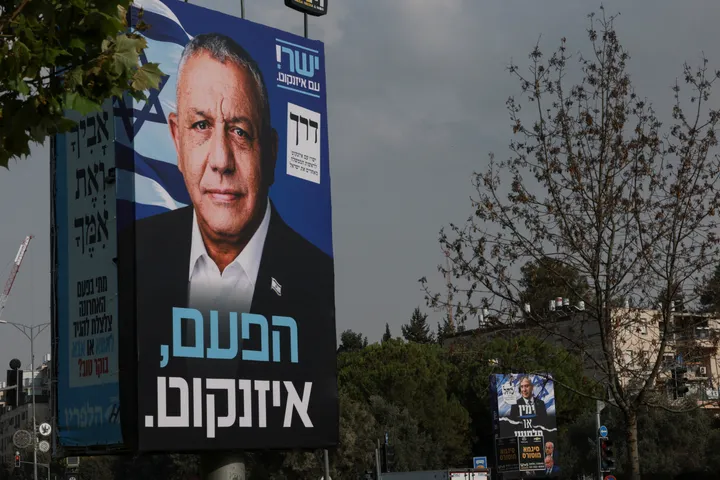
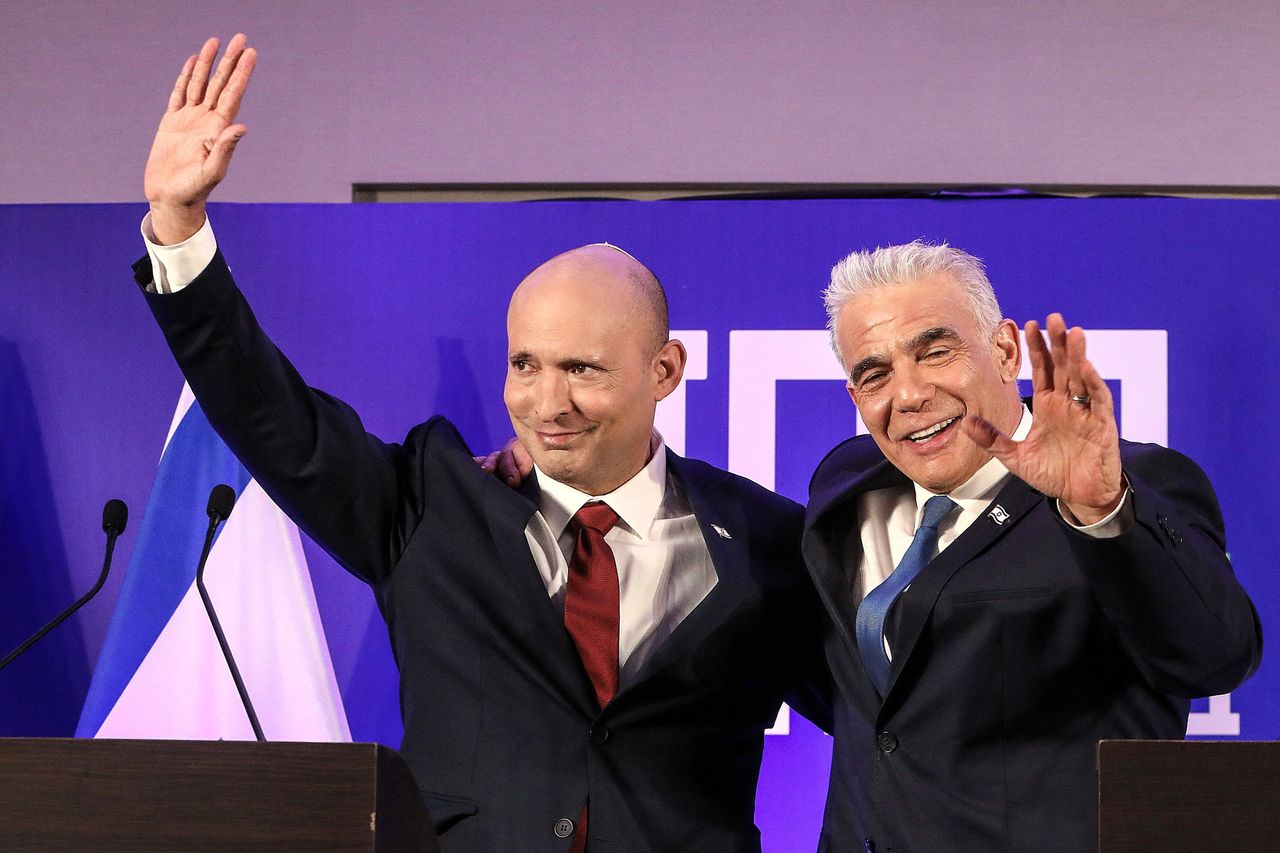
Other political players – like a potential Bennett-Lapid alliance or former military chief of staff Gadi Eisenkot – are gaining traction in polls, he adds.
Since 2009, Netanyahu has cultivated his “Mr Security” persona, particularly in the context of Iran, analysts say.
Both Shehadeh and Dikmen say that Netanyahu’s military gains against Hezbollah, and Iran have reinforced this image among his supporters.
However, his repeated failure to meet stated goals has eroded it, they say.
“These developments may strengthen public perceptions that the wars have not produced the decisive outcomes that were promised,” Shehadeh says.
Does the Israeli public support Netanyahu?
Dikmen cites polling data showing strong support for Netanyahu over the Iran war, with 63 percent people believing the war should continue until the fall of the Iranian government.
“These numbers give us a solid picture of why Israeli right-wing politicians, Netanyahu chiefly, resort to war before the elections,” he says.
War hysteria serves as a political tool, combining Netanyahu’s personal interests, like dragging corruption trials with national security, Shehadeh says.
But Rudnitzky disagrees. The Lebanon war has not significantly boosted Netanyahu’s poll numbers, he insists.
Instead, opposition gains reflect disappointment over unfulfilled security promises made by Netanyahu, he says.
“I would be cautious about describing the current public mood as ‘war hysteria’,” Rudnitzky says.
“There is certainly a heightened sense of insecurity… but this has not necessarily strengthened Netanyahu politically,” he says.
Analysts say unending wars on multiple fronts is going to have serious consequences for Israeli society beyond immediate politics.
Dikmen points to short-term stock exchange highs and the strengthening of the shekel – attributed partly to US support – but warns of deeper cracks within Israeli society.
For example, a massive labour shortage resulting from the conscription of hundreds of thousands of reservists since October 2023 has constrained GDP growth.
Israeli start-up flight and widespread psychological issues among soldiers have added to country-wide strains.
“Army chiefs have for long aired their concerns regarding the psychological disorders getting widespread among the soldiers,” Dikmen says.
He points out that past Lebanon occupations in 1982 and 2006 ended disastrously for Israel. A third occupation will likely have a similar outcome.
“At this point, Netanyahu seems to be trading off Israel’s structural assets with his political resilience,” he says.