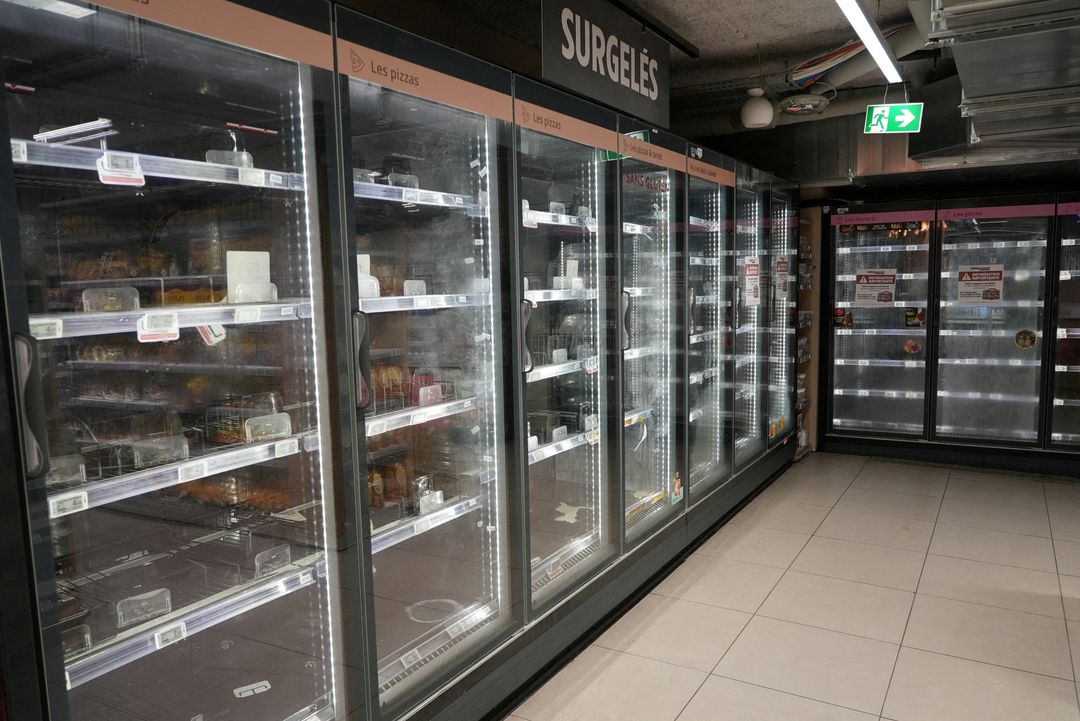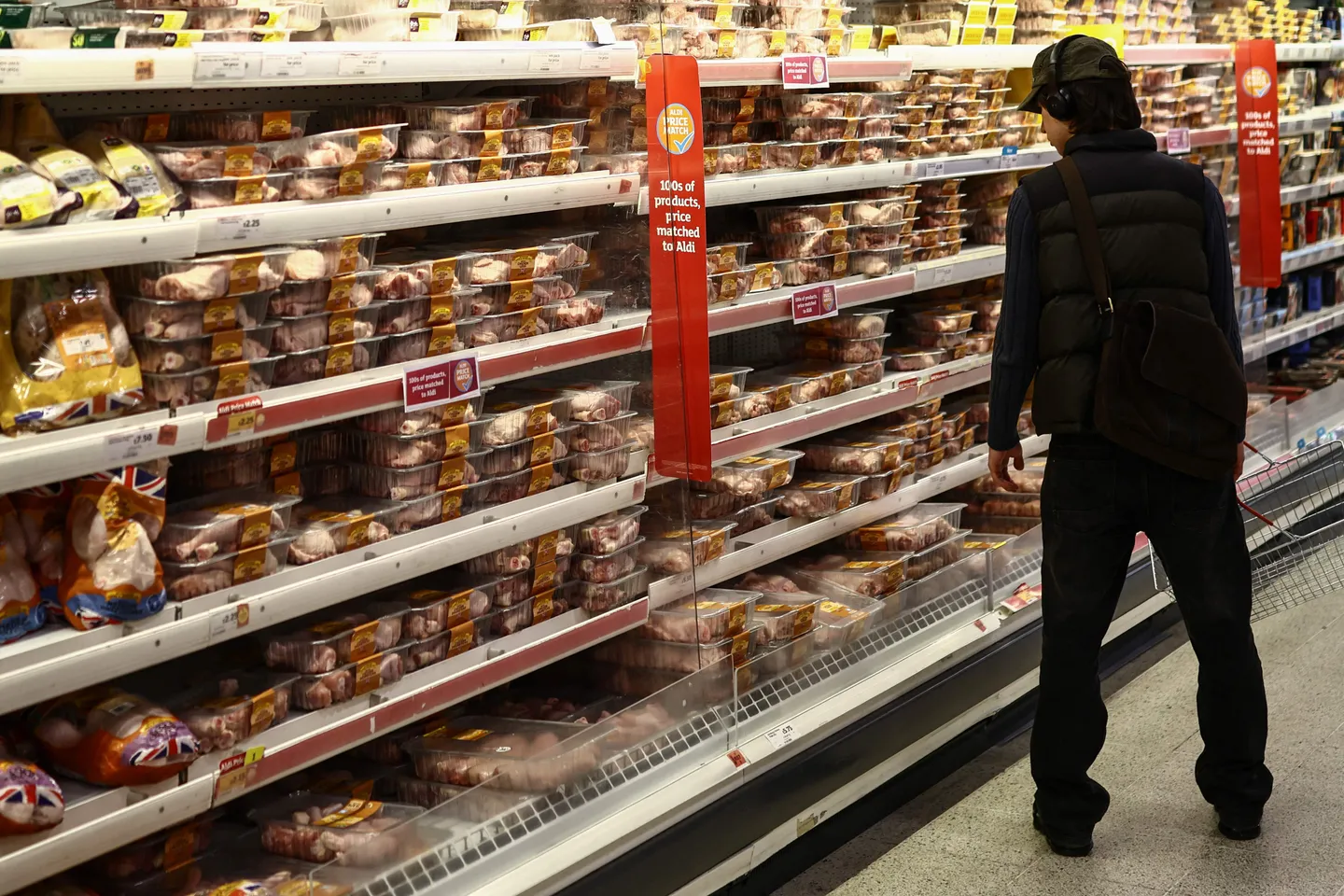
UK authorities and cybersecurity experts have carried out a secret operation to protect tens of thousands of commercial refrigerators and freezers from potential cyberattacks, the BBC reported on Friday.
The operation followed the discovery of vulnerabilities in refrigeration control systems that could have allowed hackers to manipulate temperatures and spoil large quantities of food.
The potentially affected equipment was used in supermarkets, warehouses, restaurants and other businesses.
Ethical hackers from Omega Solutions identified the vulnerabilities in late October, while cybersecurity firm Pen Test Partners helped verify the risks and alert authorities.
The National Cyber Security Centre (NCSC), the Department for Environment, Food and Rural Affairs and the Food Standards Agency worked together to warn dozens of companies and secure vulnerable systems.
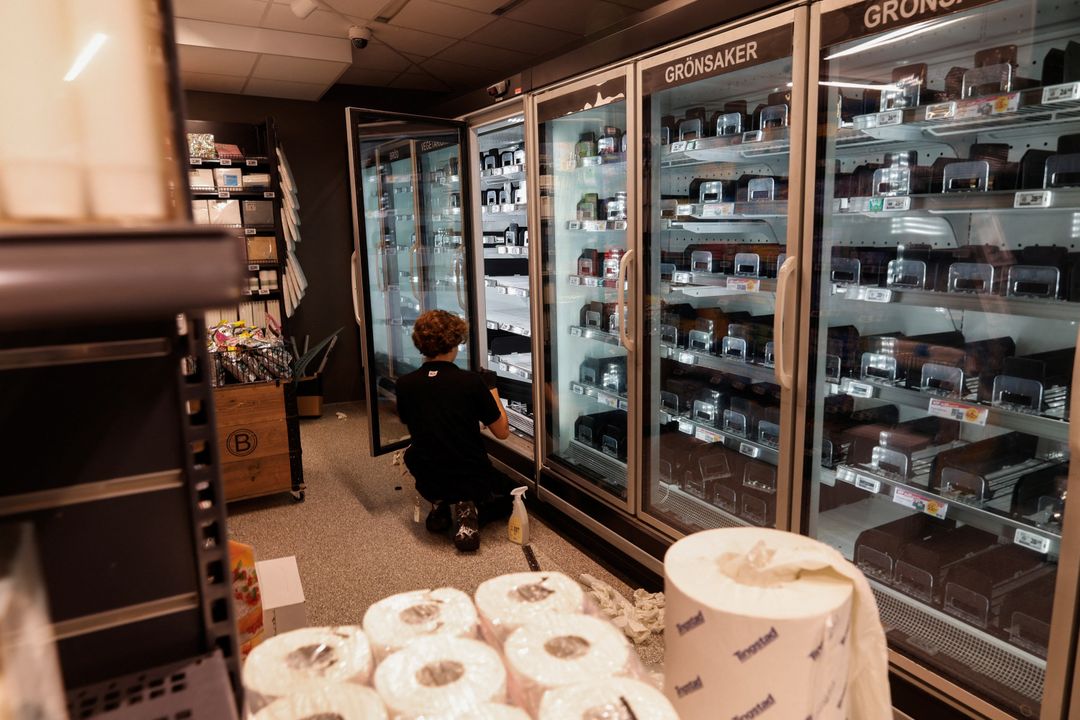
Thousands of devices were disconnected from the internet, either remotely or manually. Some businesses also removed internet cables and instructed staff to monitor refrigeration temperatures manually.
A worker at a major supermarket chain described the operation as “a race against time”, warning that a successful attack could have caused major business disruption and supply chain problems.
Manufacturer disputes severity of vulnerabilities
Resource Data Management (RDM), the British manufacturer of the refrigeration controllers, disputed the severity of the vulnerabilities, arguing that exploiting them would have required physical access to the hardware.
However, the company said it had released initial security patches and contacted customers with recommendations to strengthen protection.
RDM also said there was no evidence of malicious activity affecting its controllers and that it continued to work with the NCSC and other authorities to monitor the situation.
The operation came amid a series of cyberattacks targeting the food sector in Europe. Hundreds of supermarkets and food processing sites in France were affected by attacks in October, while further incidents targeted businesses in seven European countries in November.