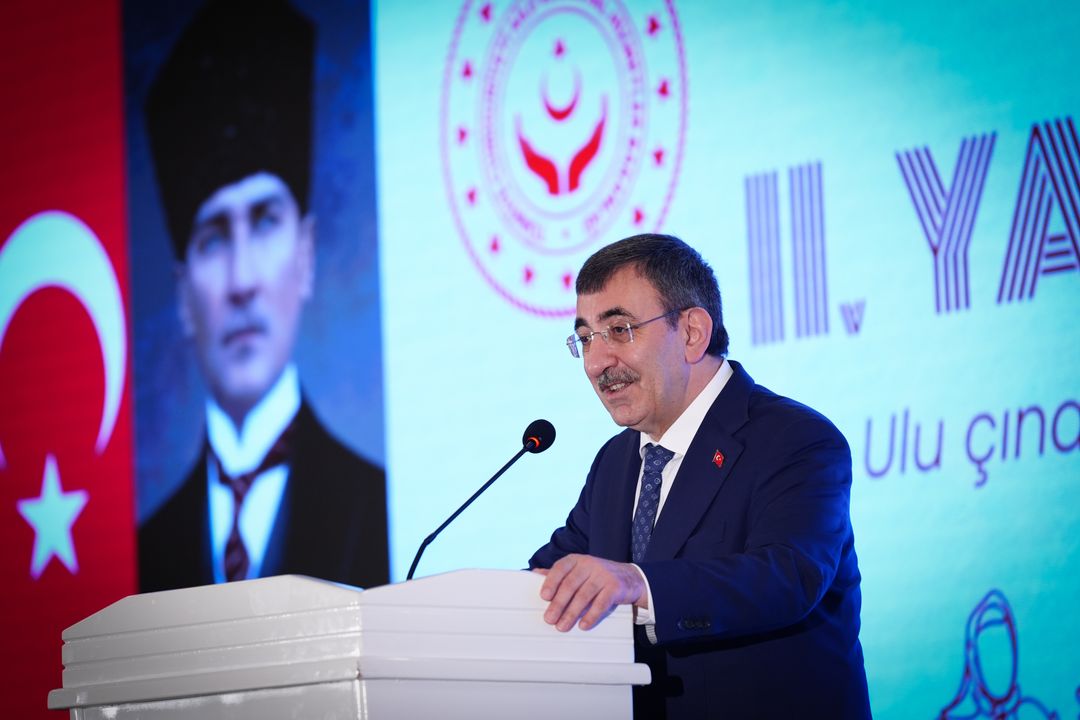
Turkish President Recep Tayyip Erdogan has said that the Mecca Joint Defence Agreement signed between Türkiye, Saudi Arabia and Pakistan targets no country and remains open to participation of other friendly nations seeking peace, prosperity and stability in the region.
In a post on the Turkish social platform NSosyal, Erdogan said on Friday the agreement, based on the principle of collective deterrence, would strengthen security and defence cooperation, joint defence industry projects and counterterrorism efforts.
He said the agreement also reaffirms the right to self-defence as defined under Article 51 of the UN Charter.
"The agreement does not target any country and is open to the participation of all brotherly countries seeking peace, prosperity and stability in our region," Erdogan said.
Türkiye, he added, would firmly maintain its principled stance in favour of resolving conflicts and crises through dialogue and diplomacy, based on respect for international law and in line with its vision of regional ownership.
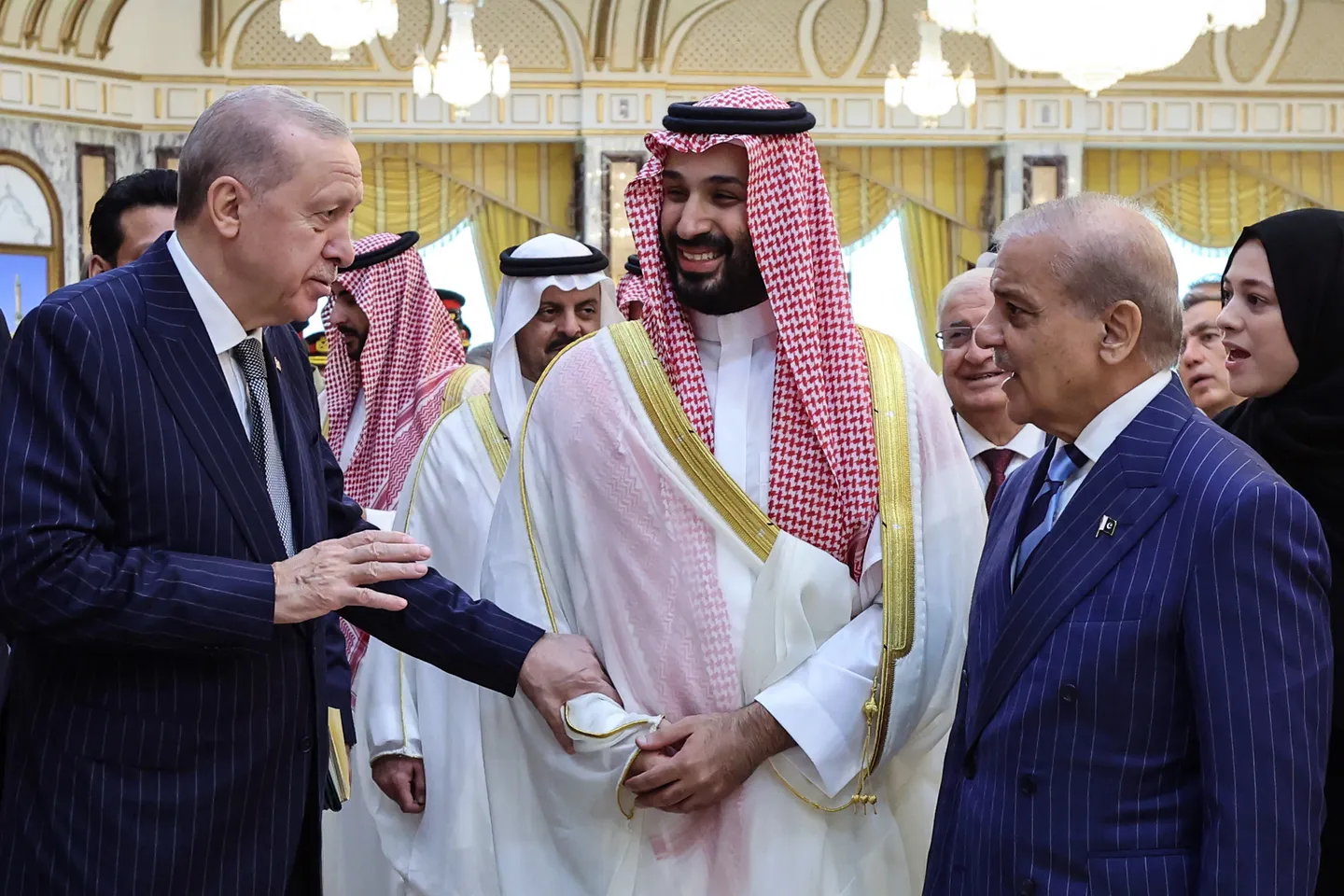
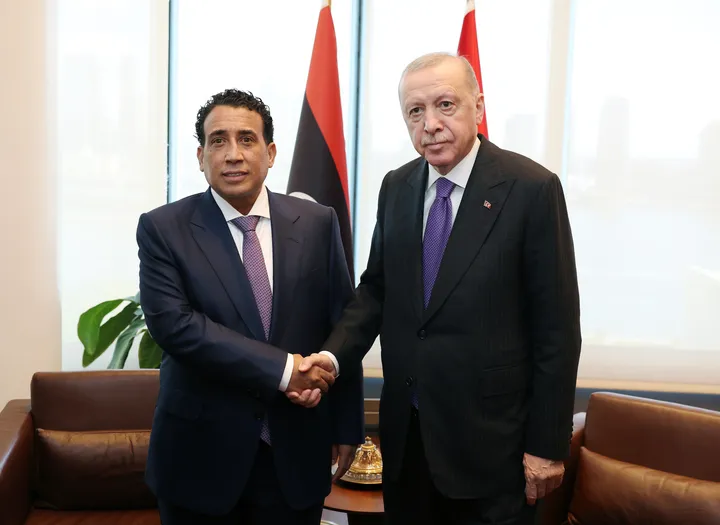
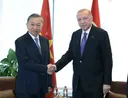
Erdogan said he travelled to Mecca earlier on Friday at the invitation of Saudi Crown Prince and Prime Minister Mohammed bin Salman, where he met with the Saudi crown prince and Pakistani Prime Minister Shehbaz Sharif.
"On this occasion, as the three countries, we signed a Joint Defence Agreement," he said.
Erdogan expressed hope that the visit, consultations and agreement would benefit the entire region.
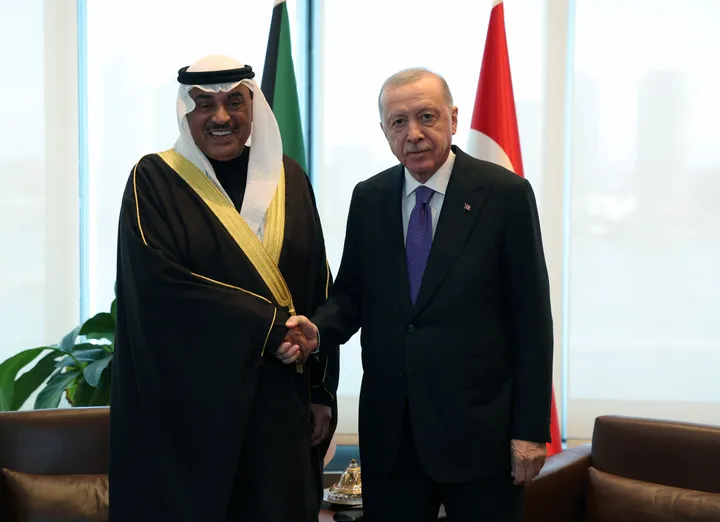
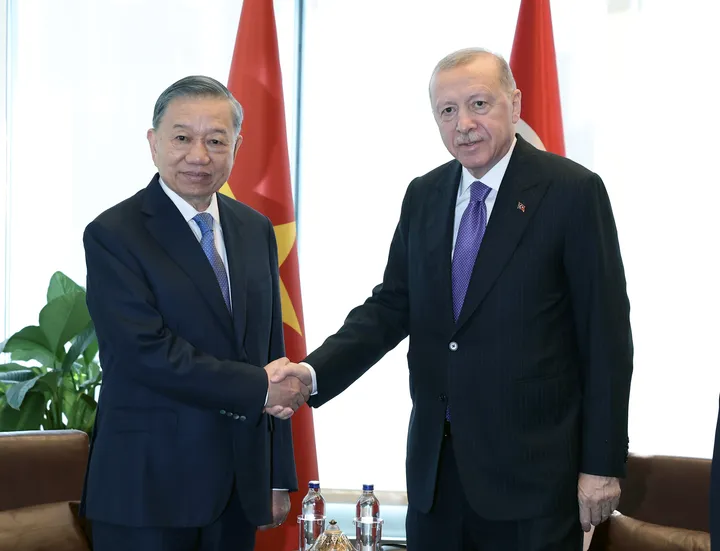


According to information obtained from Turkish officials, the agreement is a defence-oriented cooperation arrangement that targets no country and is designed to strengthen commitments to regional and global peace, stability and prosperity through burden-sharing and a common security approach.
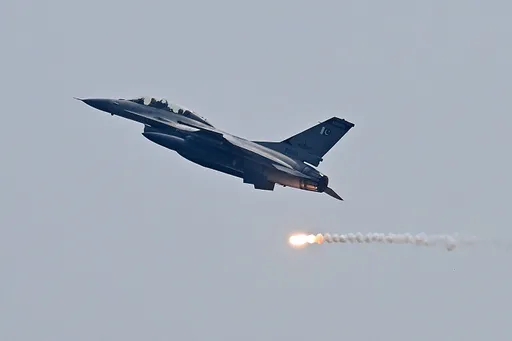
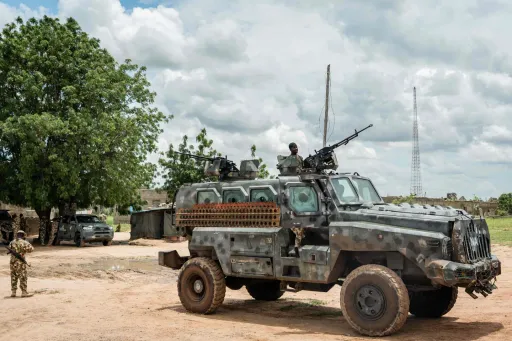
The agreement aims to strengthen collective deterrence against any act of aggression and stipulates that an armed attack against any one of the three countries shall be regarded as an attack against them all, the officials added.
They described the agreement as the tangible outcome of long-term diplomatic efforts carried out under the principle of regional ownership to establish a common framework for addressing growing regional and international security threats.
The agreement also provides for expanded defence cooperation, including defence industry collaboration and military interoperability, among the three countries, the officials said.