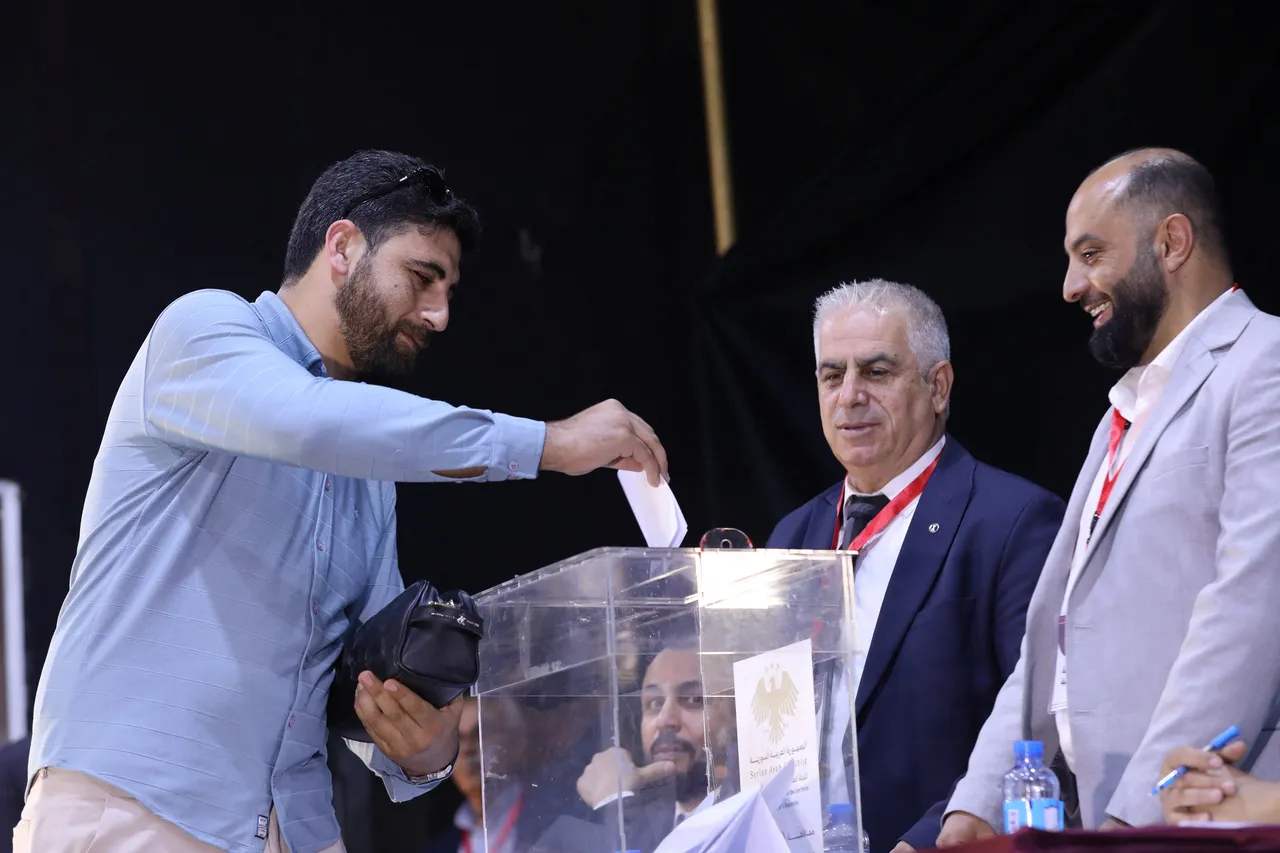
Syria’s election commission has announced the results of voting in some districts in the northeastern and northern provinces to elect members of the country’s People’s Assembly (parliament).
Nawar Najmeh, spokesperson for the Higher Committee for the People’s Assembly Elections, told the SANA news agency on Sunday that Farhad Anwar Shahin and Shawakh Ibrahim al-Assaf were elected in Ain al-Arab in Aleppo.
In Hasakah, Ibrahim Mustafa al-Ali, Omar Issa Hayes, and Fasla Khader Youssef won seats, while Kim Hussein Ibrahim, Radwan Othman Eiso, Abdul Halim Khader al-Ali, and Mahmoud Madi al-Ali were elected in Qamishli.
SANA said the allocated seats were filled uncontested in Hasakah's al-Malikiyah district after only two candidates registered.
Najmeh said voter turnout reached 92 percent in Hasakah, 95 percent in Ain al-Arab and 75 percent in Qamishli.
The spokesperson declared Sunday’s voting a success.
“The people of Hasakah have successfully made their voices heard before the Syrian people and the world, demonstrating their capacity for participation,” he told SANA.
He said the successful voting “marked a pivotal turning point in the features of the new Syria.”
“The voting was a true test for the residents' desire to be an active part of a unified and strong national landscape.”
Earlier authorities stated that 12 candidates were contesting two seats in Ain al-Arab from an electoral body of 100 members, while 13 candidates are competing for three seats in Hasakah, where 150 electors are eligible to vote.
In Qamishli, seven candidates are running for four seats within an electoral body of 198 members.
SANA said the allocated seats were filled uncontested in Hasakah's al-Malikiyah district after only two candidates registered.
First elections
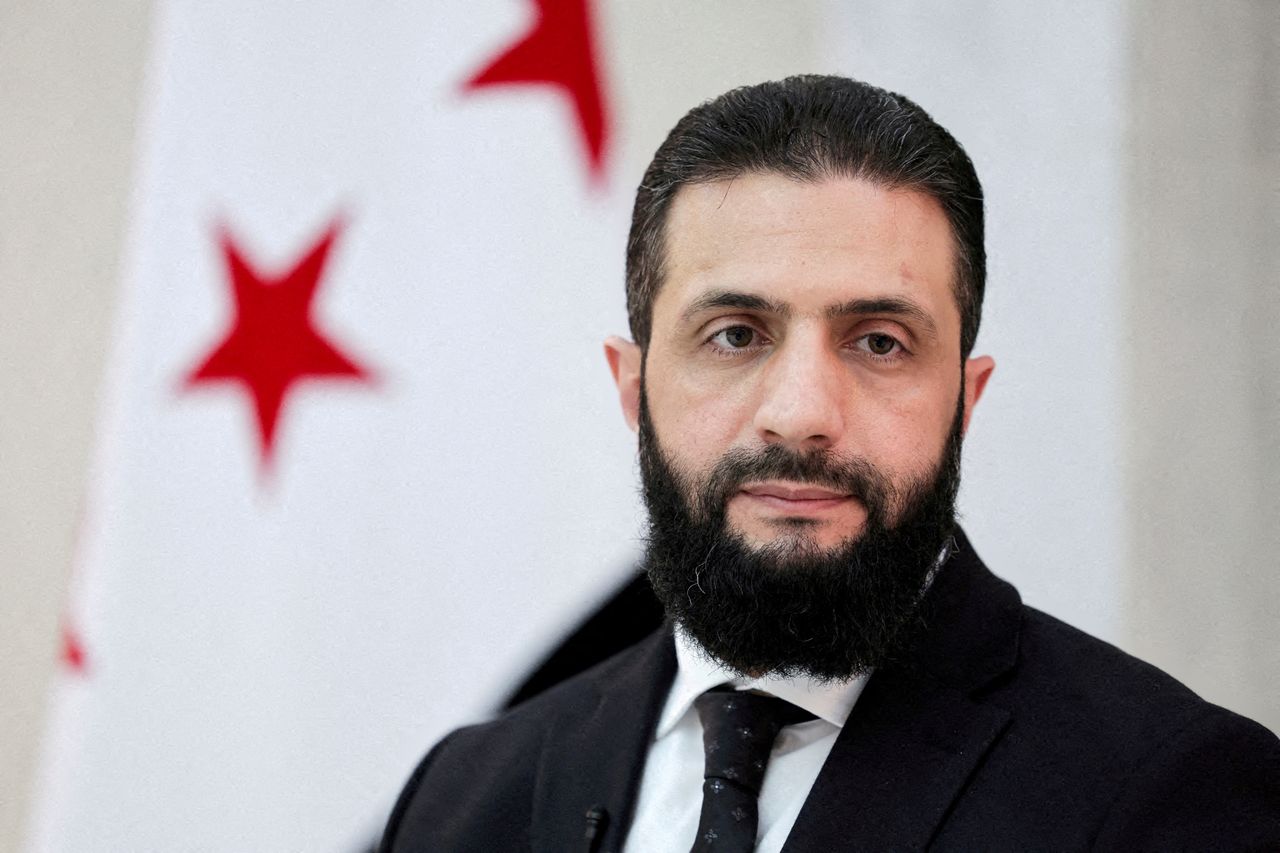
In October 2025, Syria held the first parliamentary elections since the fall of the Bashar al Assad regime in late 2024.
In August 2025, the Syrian election commission announced the postponement of voting in the Suwayda, Raqqa and Hasakah provinces due to "security challenges."
In March this year, elections were held in Raqqa, with four candidates winning seats after the voter turnout exceeded 90 percent.
The 210-member People's Assembly has a 30-month term, renewable, within a four-year transitional period, with the possibility of an additional year extension.
The Assembly is responsible for proposing and passing laws, amending or repealing existing laws, ratifying international treaties, approving the state budget, and granting amnesties.