Governments across the Asia-Pacific region on Tuesday moved to evacuate citizens, secure energy supplies and monitor financial markets as an escalating war in the Middle East rattled global oil trade and sent regional stocks plunging.
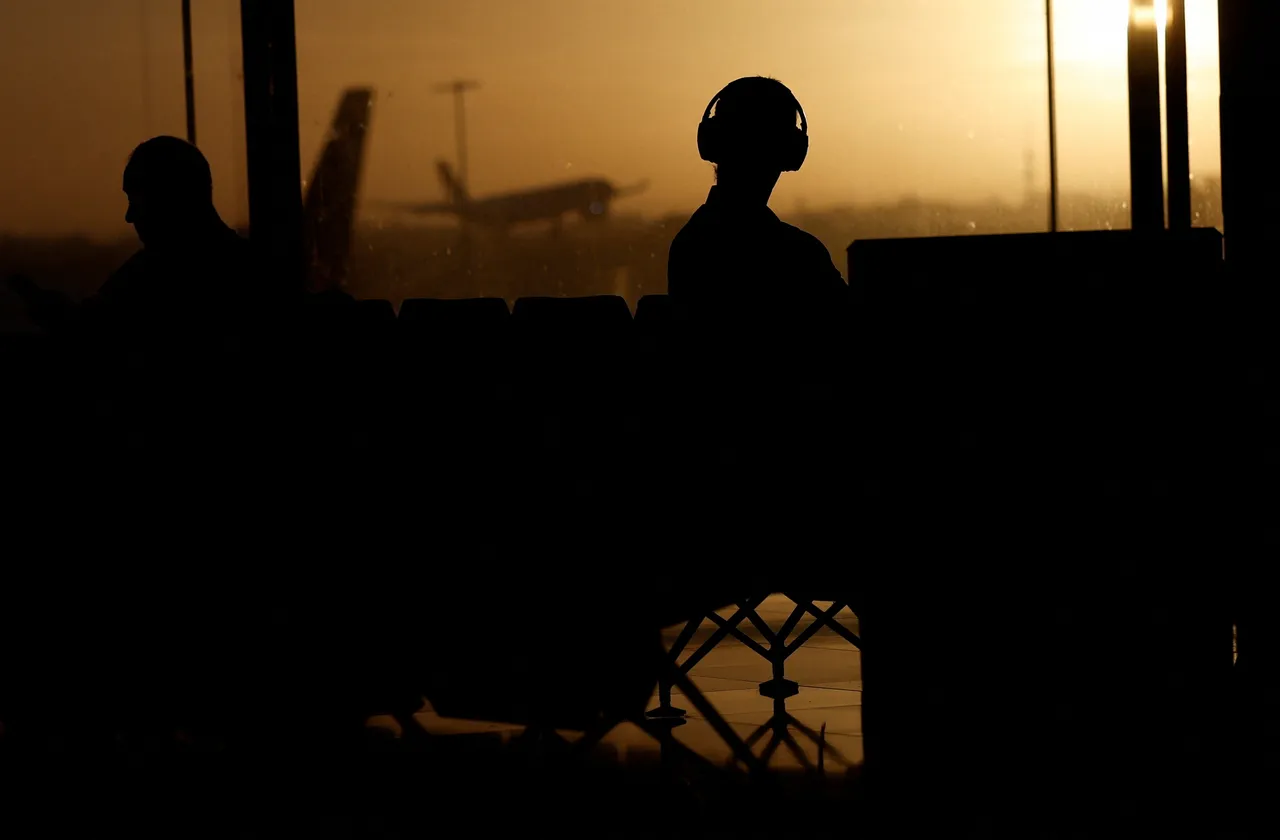
While China evacuated over 3,000 of its citizens from Iran, an Air India flight from the United Arab Emirates brought home 149 passengers and eight crew members, marking the first Indian carrier arrival in New Delhi since widespread disruptions to Middle Eastern airspace began.
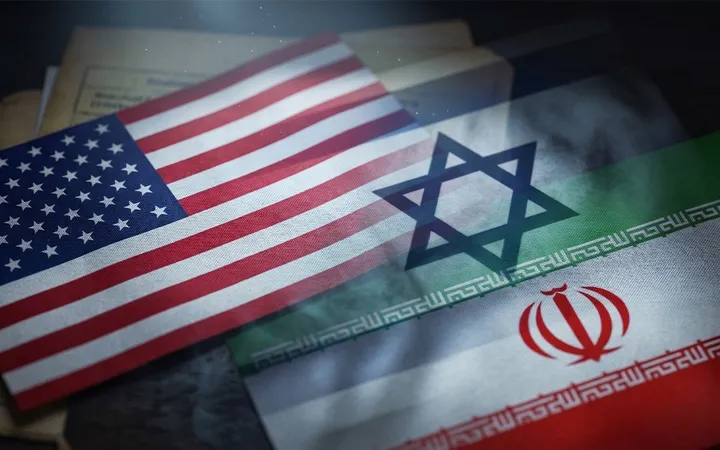
Regional tensions escalated on Saturday following a joint US-Israeli military offensive against Iran, killing several senior Iranian officials, including Iranian Supreme Leader Ali Khamenei.
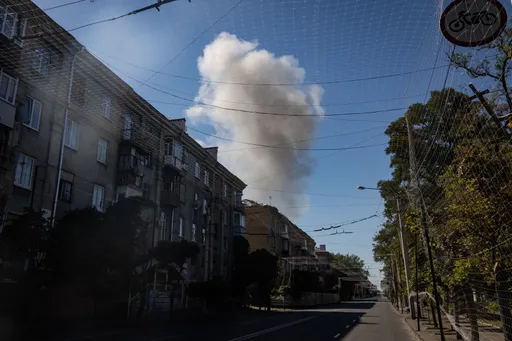
Tehran responded with drone and missile attacks targeting US-linked sites in Gulf countries, causing multiple fatalities — including the deaths of six US service members — and injuring many others.
Air and maritime routes in the region, including those through the Strait of Hormuz, have since been disrupted.
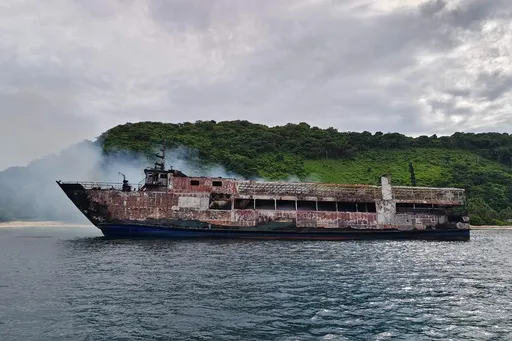
At least six people from Asia have been reported killed since the conflict intensified on Saturday — one each from China, Pakistan, Nepal and India and two from Bangladesh. An Indian national was killed aboard a vessel near Oman, while five others died in the UAE.
Thousands stranded
Some 115,000 Australians are currently in the Middle East, ABC News reported, and the country's Foreign Minister Penny Wong said the government was in discussions with airlines to help stranded citizens.
Wong acknowledged that evacuation efforts would remain difficult while airspace across much of the region remains closed.
Pakistan has evacuated over 650 of its citizens from Iran over the past two days.
Stock markets plunge
Stock markets across the region fell sharply amid fears of prolonged disruption to energy supplies. Japan’s benchmark Nikkei 225 closed down 3.06 percent as investors reacted to rising geopolitical tensions.
In South Korea, shares plunged more than 7 percent to close at 5,791.91, while the local currency weakened sharply, according to Yonhap News.






South Korea’s National Intelligence Service launched a round-the-clock emergency response team to monitor developments and assist with evacuating nationals from the region. Officials said the agency is also tracking risks to supply chains and industries, including energy, logistics, defence manufacturing and shipbuilding, following the closure of the Strait of Hormuz.
Indonesia has also urged caution for travelers, with Transportation Minister Dudy Purwagandhi calling on airlines operating to or through the Middle East to heighten vigilance as tensions between the United States, Israel and Iran disrupt air routes, according to Antara News Agency.
Indonesia’s Deputy Human Rights Minister Mugiyanto said more than 100 Indonesian citizens were stranded at Hamad International Airport in Doha, while dozens or hundreds more remain stuck in Dubai and other Gulf cities.
Energy security
Energy security has become another major concern for Asian economies.
Pakistan has moved to stabilise domestic fuel markets by seeking alternative supply routes, even as the South Asian nation's oil stocks remain sufficient for only about 28 days. Two crude cargoes remain stranded following the closure of the waterway, according to local daily The Express Tribune.
In Taiwan, state utility Taipower and energy firm CPC Corp. said they were diversifying oil and gas imports to cushion the impact of the Middle East conflict, according to Taiwan News.
The island imports energy from more than 10 countries.
The conflict has also hit global energy production. QatarEnergy halted liquefied natural gas production after Iranian drone attacks struck some of its facilities.
Qatar is a key LNG supplier for several Asian economies.
The widening conflict and disruption to shipping routes through the Strait of Hormuz — a channel that handles roughly one-fifth of global oil trade — have raised fears of prolonged volatility in energy prices and financial markets across Asia.