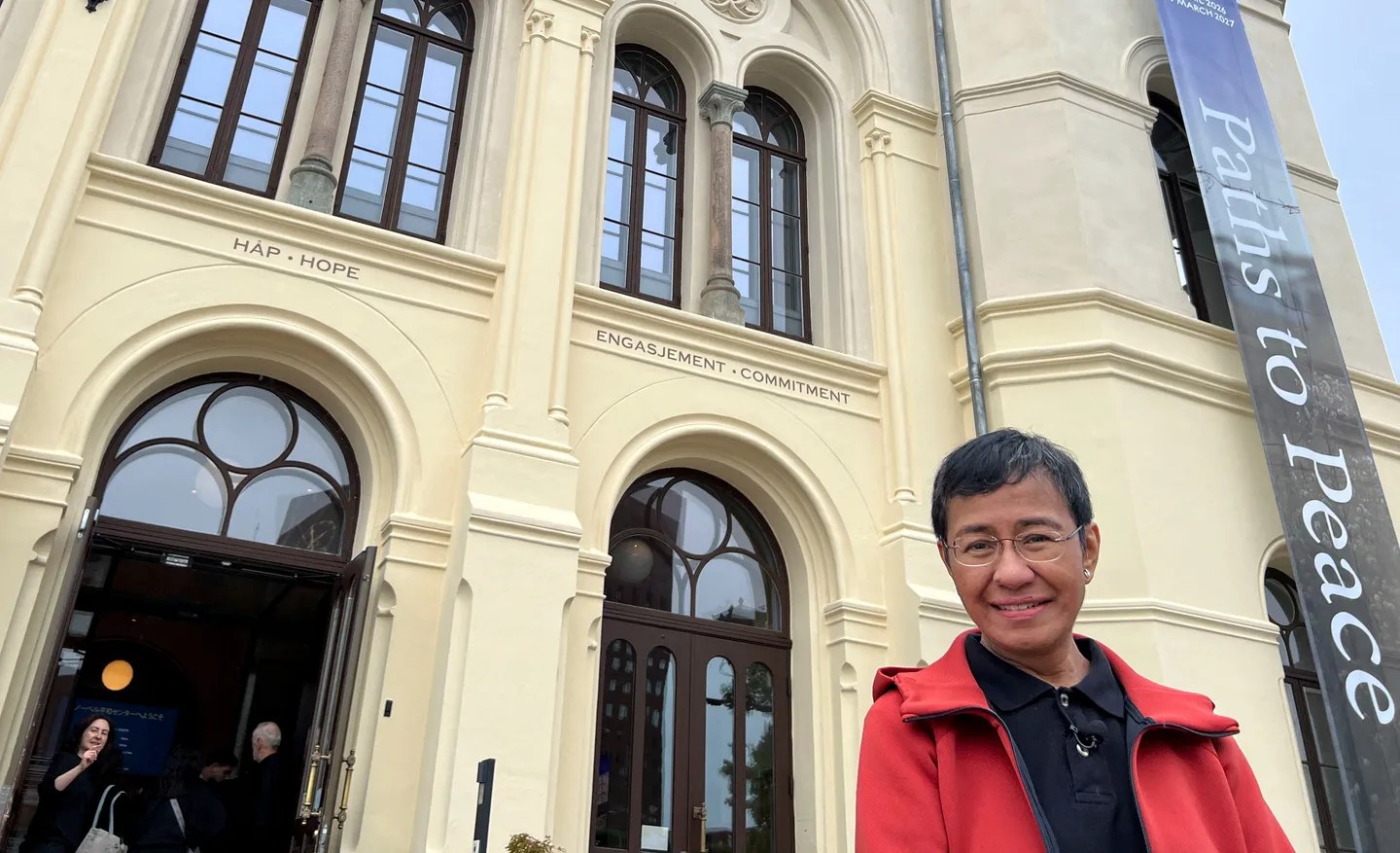
Nobel Peace Prize laureate Maria Ressa has warned that artificial intelligence will take away human agency unless governments act now to regulate the technology.
The noted journalist, who co-chairs the United Nations' scientific panel on artificial intelligence, urged citizens to campaign for comprehensive statutory oversight.
"It is not a freedom of speech issue to ask for regulation. It's a public safety issue," said Ressa.
"I think we're at that phase where if this doesn't happen, we will tip ... (It) will be beyond our control if we don't step in now."
Speaking in Oslo, Ressa outlined three distinct waves of artificial intelligence that have disrupted society over seven decades.
The first harnessed social platforms to polarise societies and isolate individuals, whilst the second "hacked our biology" through algorithmic intimacy in conversational bots.
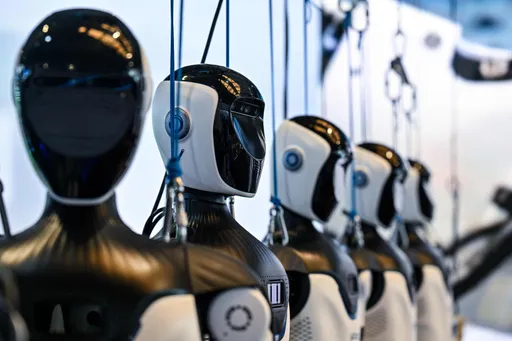
"And then the last one is agency itself, through agentic and multi-agentic AI, the frontier models that are creating these machines that don't just pretend to be human, but act for us," she stated.
She noted that China enforces tighter domestic digital safeguards than Silicon Valley exports globally, citing strict youth limits on Chinese versions of TikTok.




Accountability and public platforms
Ressa emphasised that real reform requires holding technology firms legally liable for social harms, welcoming US legal actions that forced Meta Platforms to commit up to $18 billion over a decade while curtailing youth access to Instagram and Facebook.
While praising age curbs introduced across Australia and the European Union, Ressa insisted governments must also address addictive design features targeting adults.
To safeguard democratic discourse, Ressa advocated independent, public-interest platforms built on decentralised protocols—similar to Rappler Communities, an open-source Matrix network launched in 2023.
"It's a place where people can be safe in the digital sphere, where they can talk to each other and, more importantly, listen to each other so that the great work of democracy happens," she concluded.