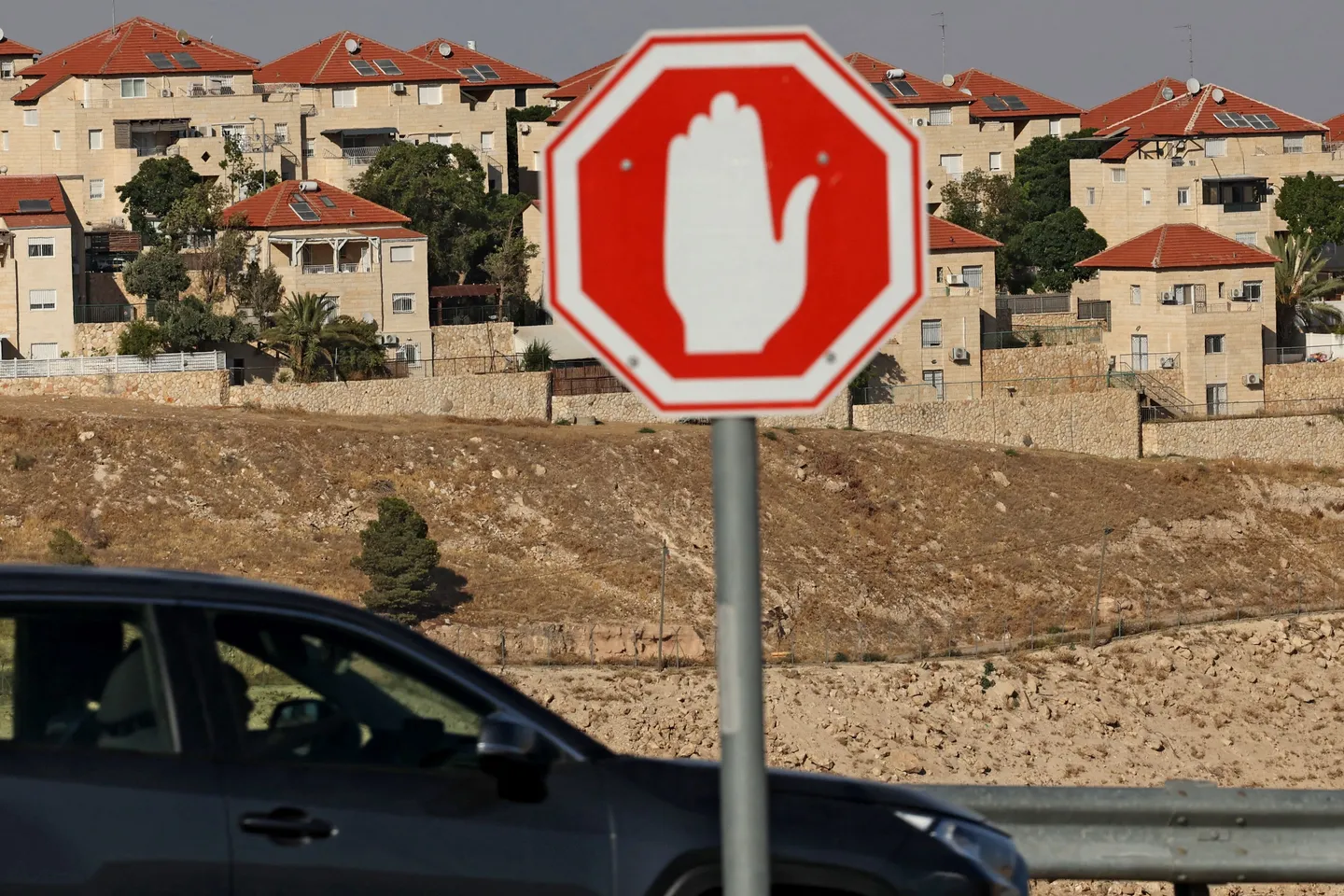
Israel has issued an unprecedented order seizing privately owned Palestinian land for illegal settlement infrastructure in a part of the occupied West Bank designated for Palestinian civil and security administration, a senior UN official has warned.
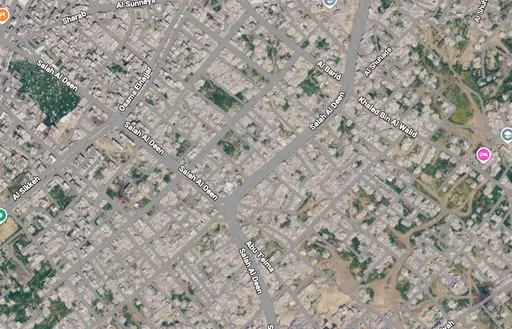
Briefing the Security Council on Monday, Ramiz Alakbarov, the UN’s acting special coordinator for the Middle East peace process, said the order targeted land near Qabatiya, south of Jenin, to build a road connecting Noa and Emek Dotan, two of 34 recently approved illegal Israeli settlements.
“This marks the first reported seizure of Area A land explicitly for settlement infrastructure,” he said.
Security Council Resolution 2334, adopted in 2016, declares Israeli settlements in occupied Palestinian territory, including occupied East Jerusalem, illegal and demands an immediate and complete halt to all settlement activity.
Delivering the UN secretary-general’s 39th report on the implementation of the resolution, Alakbarov warned that continued illegal settlement expansion threatened the viability of an independent, sovereign and contiguous Palestinian state.
“The rapidly expanding settlement footprint, including outposts, is taking place in conjunction with a rise in settler attacks,” Alakbarov said.
“These developments are in breach of international law, further entrenching the unlawful Israeli occupation and undermining the right of the Palestinian people to self-determination,” he added.
The significance of the Qabatiya order extends beyond the road itself. It takes land for illegal Israeli settlement infrastructure inside territory assigned to Palestinian administration under the Oslo framework, further eroding the territorial basis for Palestinian self-government and a future state.
Why Area A matters
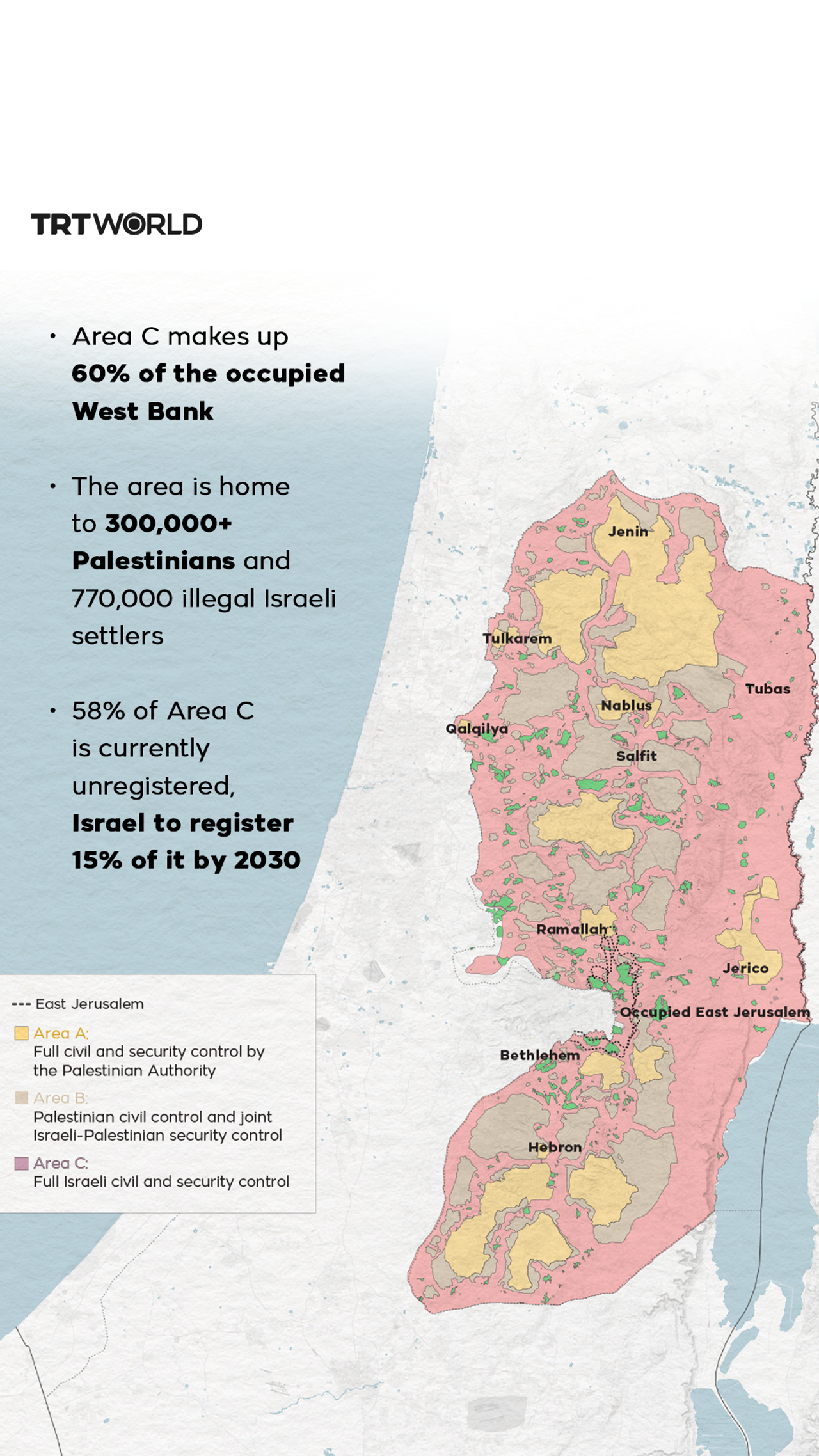
Under the 1995 Oslo II Accord, the occupied West Bank was divided into Areas A, B and C, with different arrangements for Palestinian and Israeli control.
Area A was placed under Palestinian civil and internal security administration. Area B has Palestinian civil administration and Israeli security control, while Area C, covering roughly 60 percent of the territory, remains under full Israeli control.
Alakbarov described the new Israeli order as the first reported seizure of Area A land explicitly for settlement infrastructure. Under the Oslo framework, Area A is designated for Palestinian civil and internal security administration.
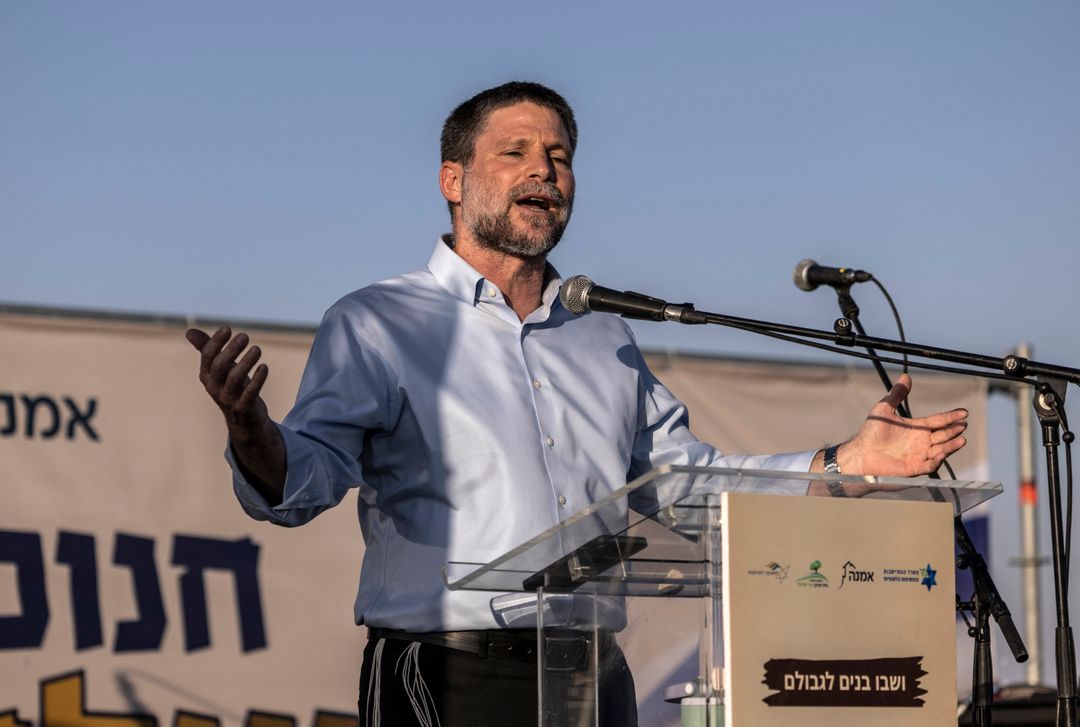
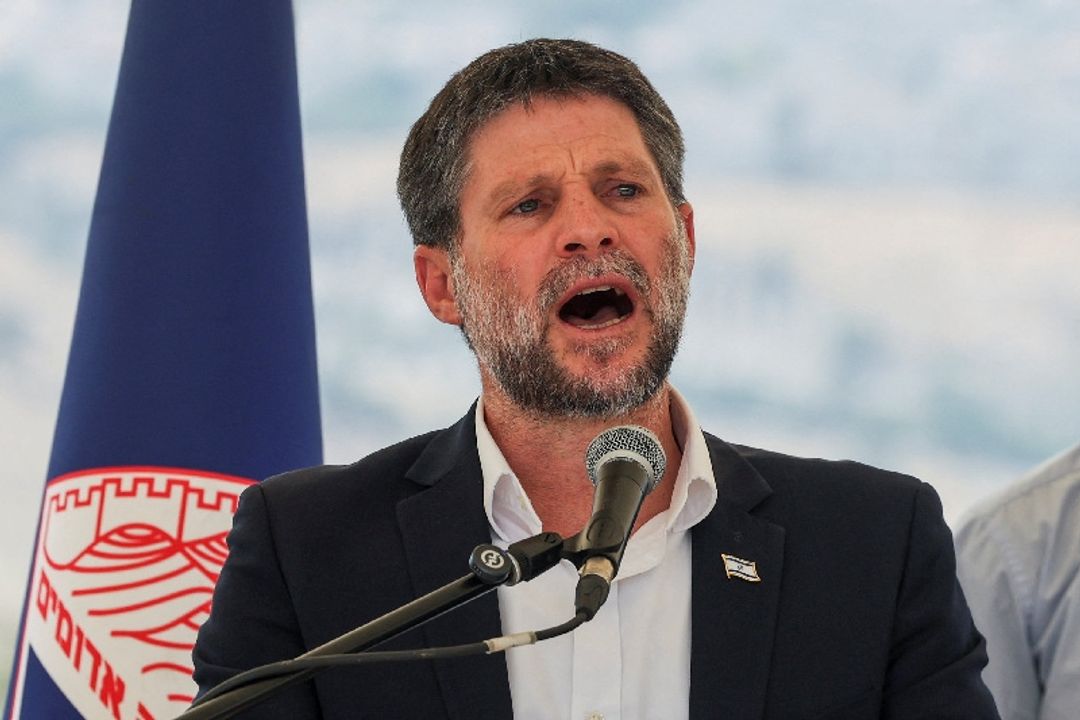
Israel’s far-right Finance Minister Bezalel Smotrich has openly called for taking over the Palestinian territory as mandated under the accords.
“In any case, Oslo is null and void. In any case, Areas A and B are also ours,” he said on September 8.
National Security Minister Itamar Ben-Gvir has also backed scrapping the Oslo Accords, with his Jewish Power party introducing legislation seeking their annulment.
Ben-Gvir described the accords as “one of the greatest mistakes in the country’s history”, according to an analysis published by Anadolu, and called for that mistake to be reversed.
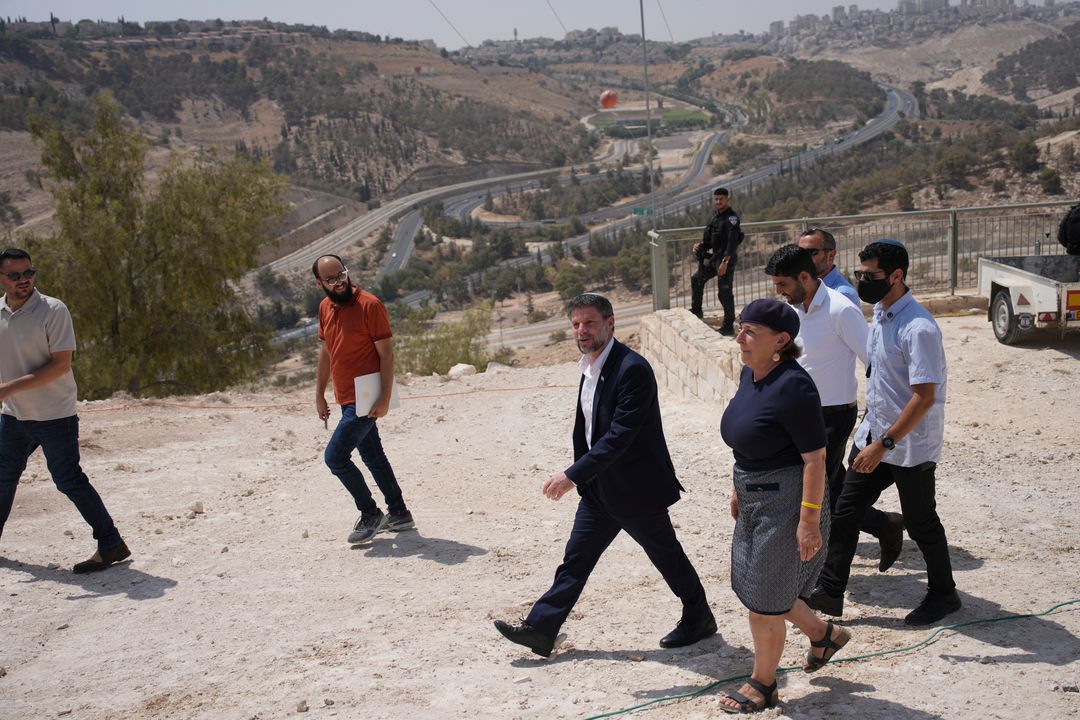
Connecting settlements, fragmenting Palestine
The Qabatiya road order comes amid a wider expansion of illegal settlements and their infrastructure.
According to the figures presented in Alakbarov’s briefing, Israeli authorities approved 8,085 illegal settlement units in the occupied West Bank and occupied East Jerusalem during the reporting period, which ran from June 13 to September 18.
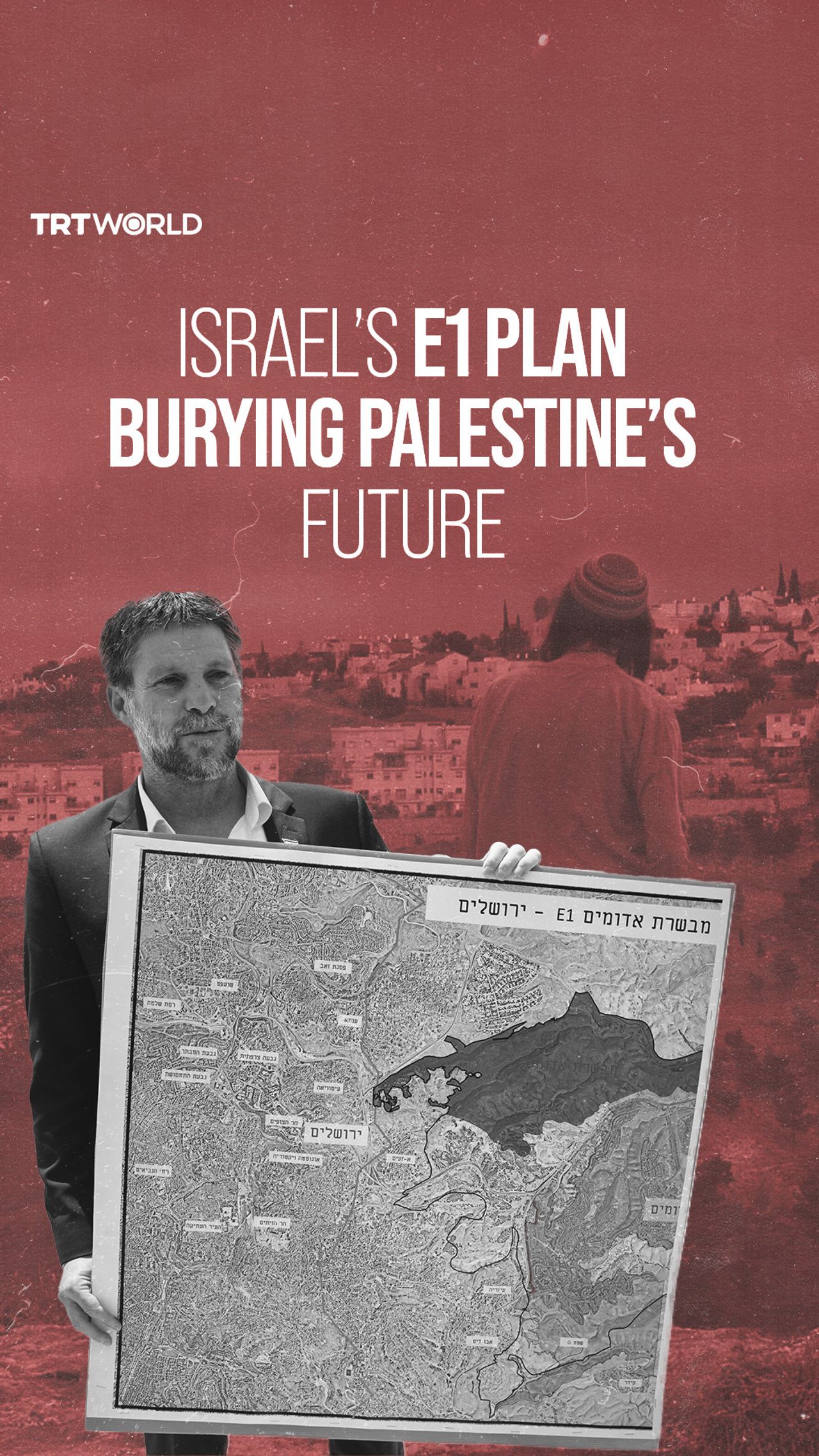
Separately, Israeli authorities published construction tenders for nearly 2,240 units in Area C, including 1,234 in the “E1 corridor” near occupied East Jerusalem.
Alakbarov described E1 as an “existential threat” to a viable Palestinian state and warned that continuing “creeping annexation” violated international law.

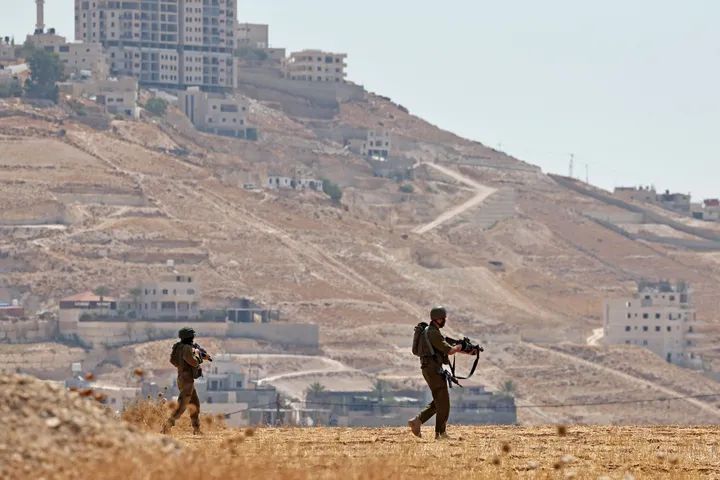






The location explains the stakes. E1 occupies one of the last geographical links between Ramallah in the north and Bethlehem in the south.
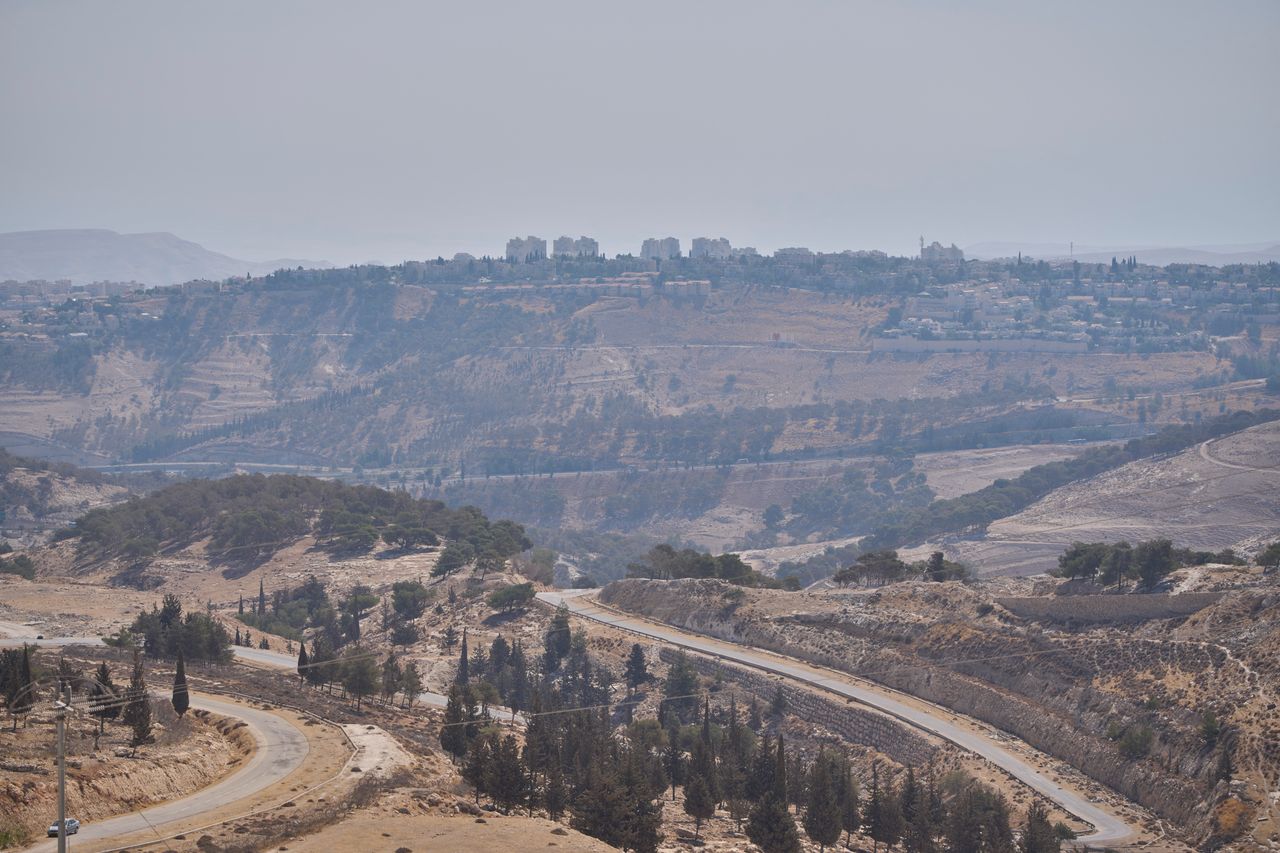
Increasingly fragmented land
Alakbarov warned that the project would effectively sever the connection between the northern and southern West Bank and further isolate East Jerusalem from the rest of the territory.
Smotrich has explicitly presented illegal settlement construction as a means of defeating Palestinian statehood.
“This reality definitively buries the idea of a Palestinian state,” he said when announcing the controversial E1 plan in August 2025.
He described illegal Israeli settlement homes, neighbourhoods and roads as Israel’s rebuke to the countries seeking to recognise Palestine.
Experts warn that as illegal Israeli settlements become more connected, the land available for a Palestinian state becomes increasingly fragmented.
Villages emptied as settlements expand
Alakbarov also linked settlement expansion to attacks by illegal settlers and the displacement of Palestinian communities.
Sustained illegal settler violence completely emptied three Palestinian villages, bringing the number of depopulated rural communities to 49 since January 2023, according to the figures presented in the briefing.
Israeli authorities also demolished or seized 536 Palestinian properties in the occupied West Bank, including occupied East Jerusalem, displacing 736 people, among them 347 children, according to the figures.
Alakbarov said Israeli building permits were nearly impossible for Palestinians to obtain.
Meanwhile, more than 33,000 Palestinian residents of the Jenin, Tulkarem and Nur Shams refugee camps remained displaced following Israeli military offensive.
“I’m deeply concerned by the scale of displacement of Palestinians in the West Bank, where entire communities have been displaced, some multiple times, which may raise concerns about ethnic cleansing,” Alakbarov said.
‘Palestine cannot be erased or ignored'
Palestine’s UN envoy Riyad Mansour told the council that illegal annexation was already unfolding through land seizures and illegal settlement expansion.
He warned that construction tenders in the “E1 corridor” were part of an effort to destroy the prospect of Palestinian statehood, while moves to weaken the Palestinian Authority risked facilitating further displacement.
Mansour urged governments to impose consequences on those sustaining the occupation, including through financial and commercial relationships.
“The time has come to move from statements to measures, from condemnation to accountability, and from declarations of solidarity to implementation,” he said.
Despite the expanding illegal settlements, Mansour insisted that international support had demonstrated that Palestine could not be erased or ignored, and that Palestinians’ rights could not be extinguished by Israeli occupation or illegal annexation.