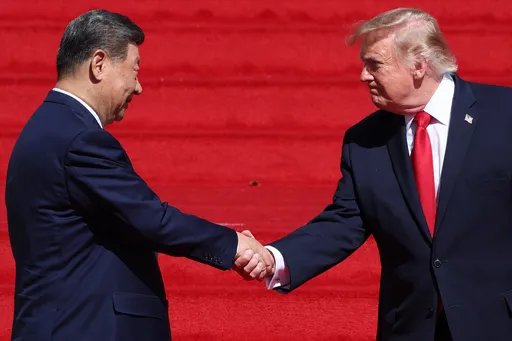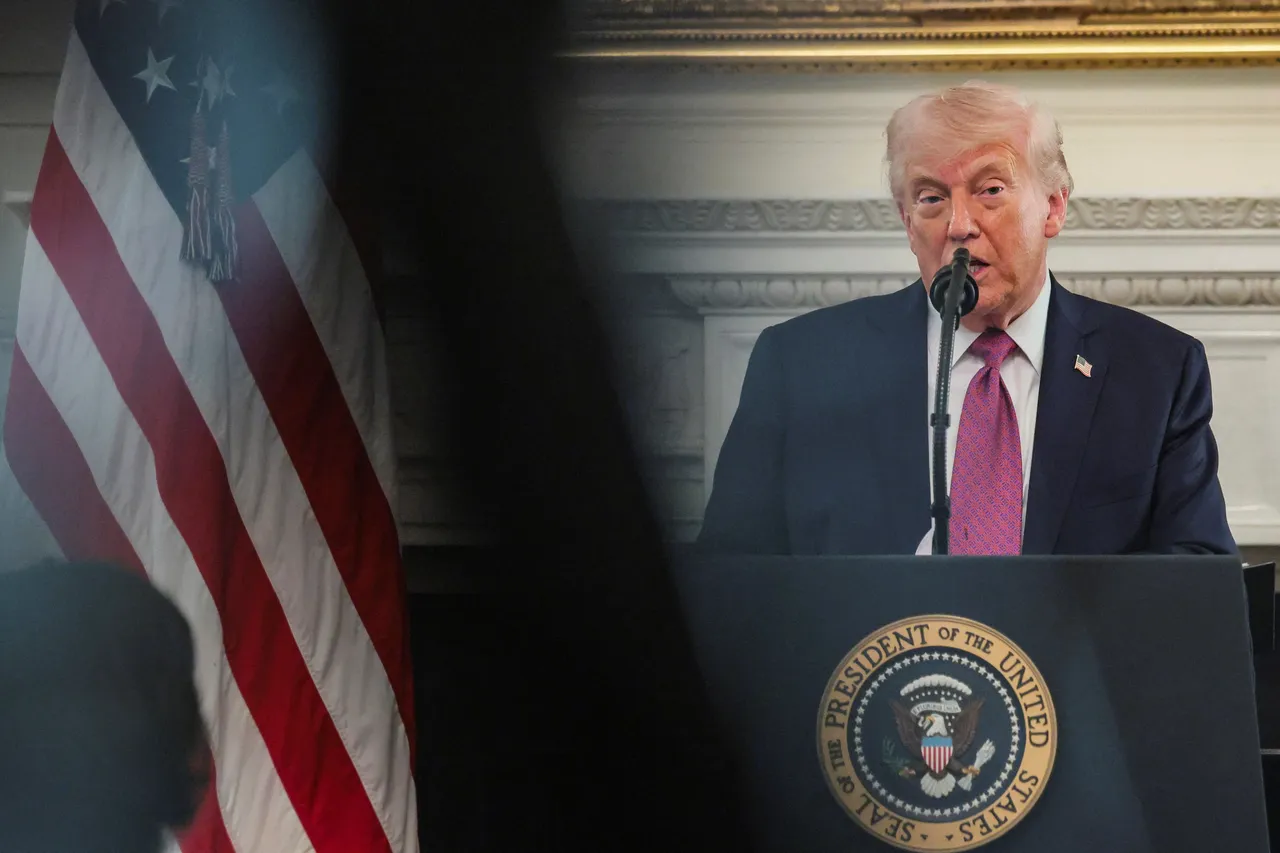
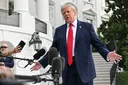
US President Donald Trump has indicated that a second round of US-Iran negotiations could take place within the next "36 to 72 hours," as Pakistan continues mediating between the two sides.
Trump confirmed the "possibility" to the New York Post on Wednesday, while Pakistani sources said the timeframe was based on an ongoing assessment of Islamabad's diplomatic engagement with Tehran.
Iranian authorities have yet to confirm any scheduled discussions.
Pakistani sources told The Post that a ceasefire between the two sides remains intact despite heightened rhetoric, with no military escalation by either side.
Tight security measures in Islamabad
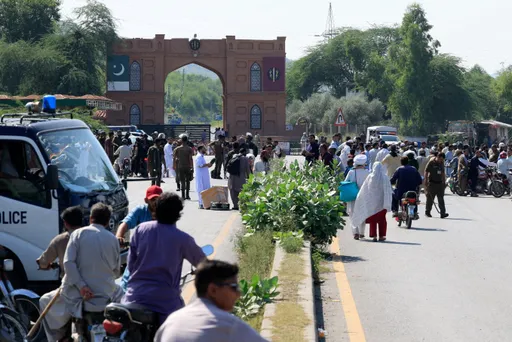
Pakistan's capital remains under a strict security lockdown as Islamabad launched a fresh round of back-channel diplomacy to bring the US and Iran back to negotiation, security sources said.
Roads leading to the capital's "Red Zone" that houses important government and private buildings, including the five-star hotel, where the first round of talks between Washington and Tehran took place, still remained closed for general traffic.
All educational institutions and hostels in Islamabad and the adjacent garrison city of Rawalpindi have been closed since last week.
Public transportation, including metro bus services, remains suspended.
However, the government reopened two bus terminals in Rawalpindi on Wednesday, allowing for limited intercity travel.
A security source, speaking on the condition of anonymity, told Anadolu that the government has ordered law enforcement agencies to maintain the level of security "until further notice."
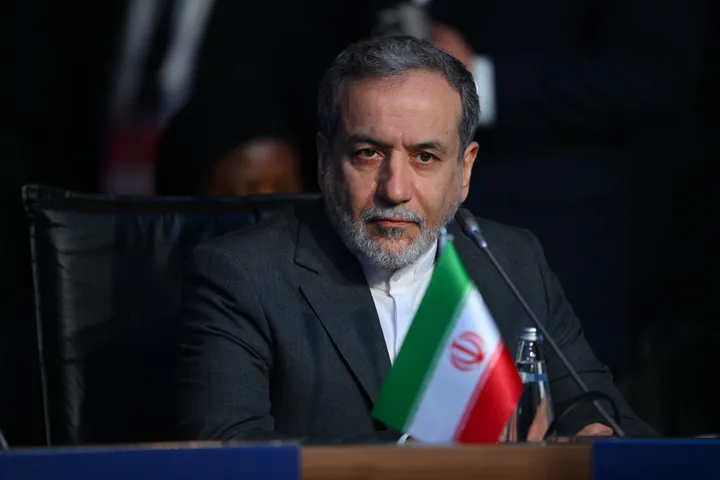
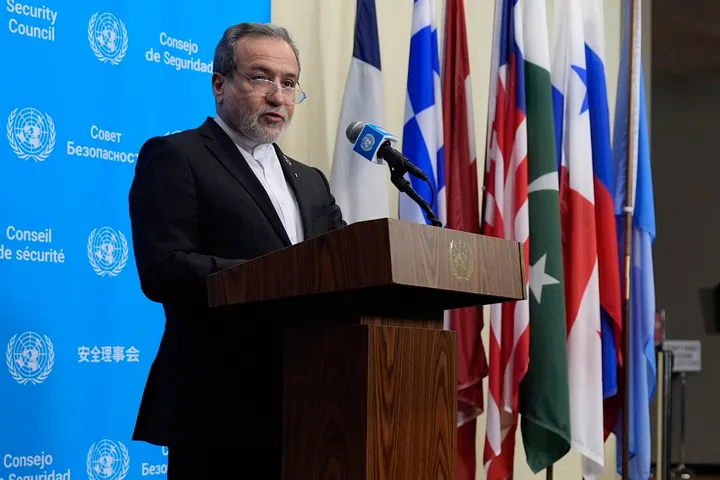
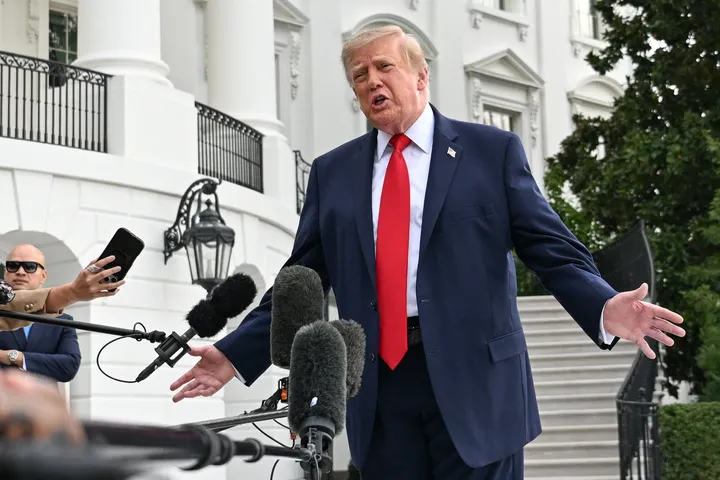
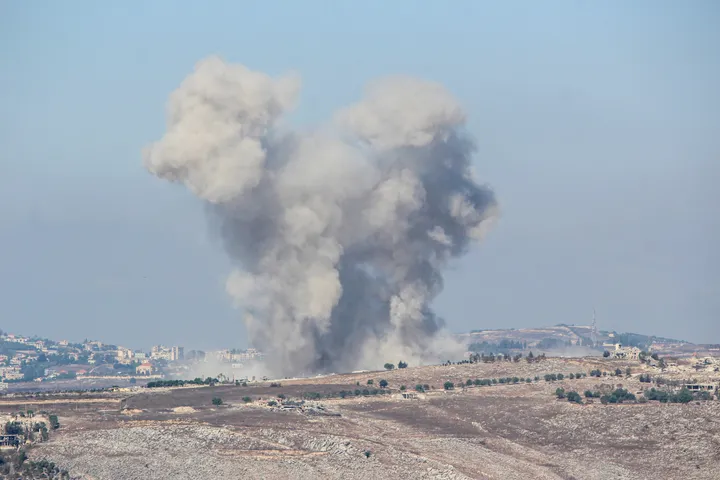
Extension of ceasefire
The second round of talks was set to take place this week in Pakistan, but Tehran said it would not attend the huddle until the US ends its "illegal" blockade of Iranian ports.
The US had announced it would send its representatives for the talks, led by Vice President JD Vance.
On Tuesday, US President Donald Trump extended the two-week ceasefire with Iran to allow time for Tehran to prepare a "unified proposal," following a request by Pakistani officials.
Washington demands the reopening of the Strait of Hormuz, which has been lying nearly closed since the US and Israel initiated their attacks on Iran on February 28.
Tehran declared the strait open on Friday but closed it a day later after Trump announced that the blockade of Iranian ports would continue, and on Sunday, the American forces detained one Iranian cargo ship after they opened fire and boarded it.
Pakistan took centre stage when it brokered a two-week ceasefire between the US and Iran on April 8, followed by critical talks in Islamabad attended by senior delegations from both countries on April 11 and 12.
However, neither side was able to reach an agreement to bring the Middle East war to an end.
The ceasefire was set to expire on Wednesday, but Trump extended it without giving any new timeframe.