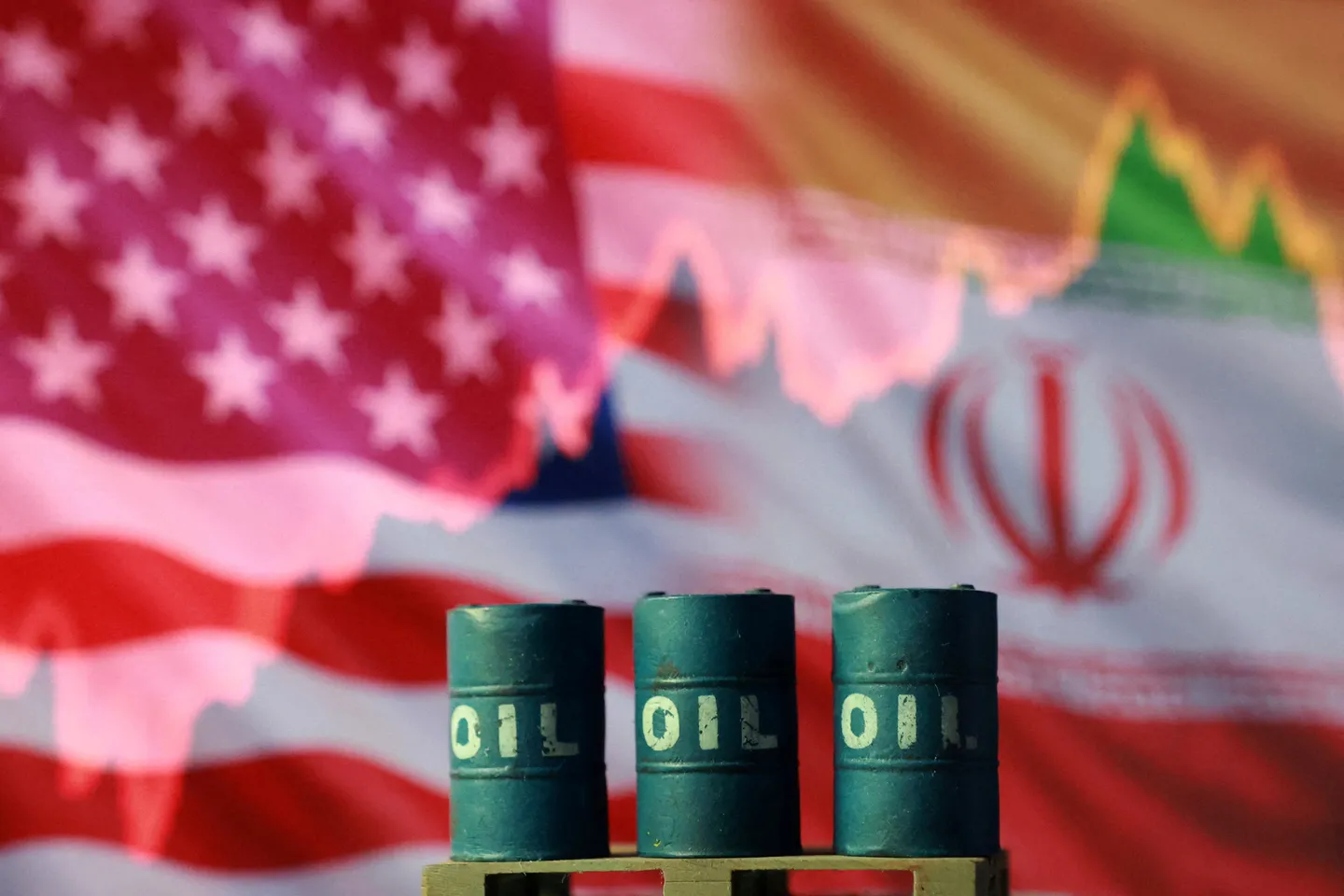
Oil prices fell on Tuesday, reversing earlier gains after US Treasury Secretary Scott Bessent said a deal could be reached with Tehran by Wednesday on re-opening the Strait of Hormuz to shipping traffic.
The renewed optimism after five months of blockage for Gulf oil and gas tankers bolstered stocks, with Wall Street markets opening higher and building on the Dow's record closing high hit Monday.
The gains came after last week's tech-led rollercoaster ride, spurred by renewed worries about massive AI spending and how quickly those investments will start generating wider economic payoffs.
A series of forecast-busting US corporate earnings - most recently by AI-data mining giant Palantir as well as construction behemoth Caterpillar - was also bolstering confidence that firms would weather the volatility sparked by the US and Israeli strikes on Iran.
Yet investors were wary about the prospects for opening the Strait of Hormuz, having already seen announcements of an imminent deal to end the US-Iran war that went nowhere.
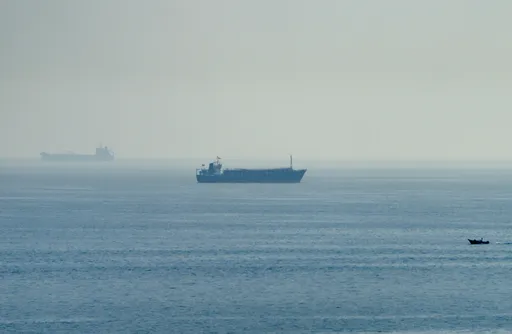
An unknown projectile hit a cargo ship in strait on Tuesday even as US President Donald Trump insisted the waterway could reopen within hours.
But Bessent, his Treasury secretary, later told CNBC television that "I think there is a chance we may have a deal today or tomorrow to open the strait" - a key sticking point in ceasefire talks with Iran.
"So you know, I'd expect the energy prices to settle back down, which, as I said, will be good for the entire world," he said.








"The market is now trying to price a more nuanced geopolitical path: lower risk of immediate military escalation, but no guarantee yet that the Strait of Hormuz returns to normal functioning," said Patrick Munnelly, market strategist at Tickmill Group.
The disruptions to global energy supplies have sent oil prices soaring - a boon for oil majors such as BP, whose profit more than doubled in the second quarter. Its shares were down nearly five percent, however, as traders said the strong growth had been widely expected.
Also on Tuesday, oil titan Saudi Aramco reported a 44 percent surge in net profits.
The five biggest Western energy majors - BP, Chevron, ExxonMobil, Shell and TotalEnergies - have reported combined net profits of almost $47 billion for the April-June period.
Away from the energy market, Lufthansa's share price slumped 11 percent after the German airline said volatile jet fuel costs would impact full-year profit.
Traders are also awaiting earnings from SpaceX after the Wall Street close on Tuesday, as well as the release of US jobs data this week that could provide a fresh guide for interest rates in the world's biggest economy.