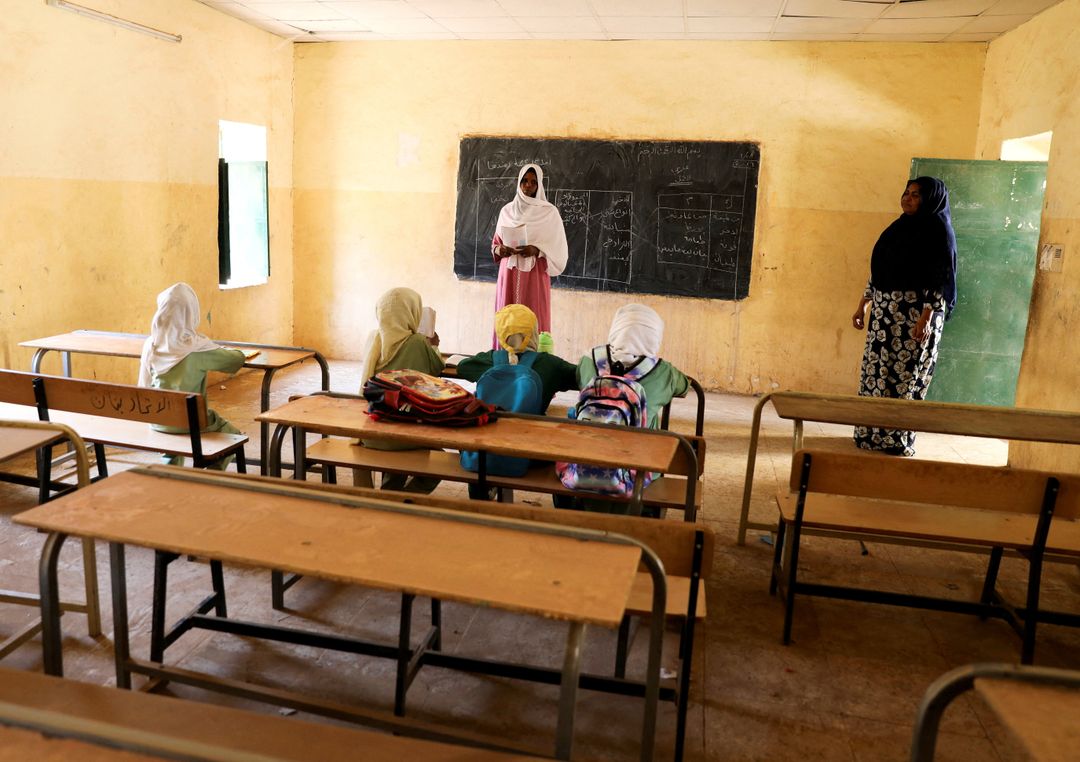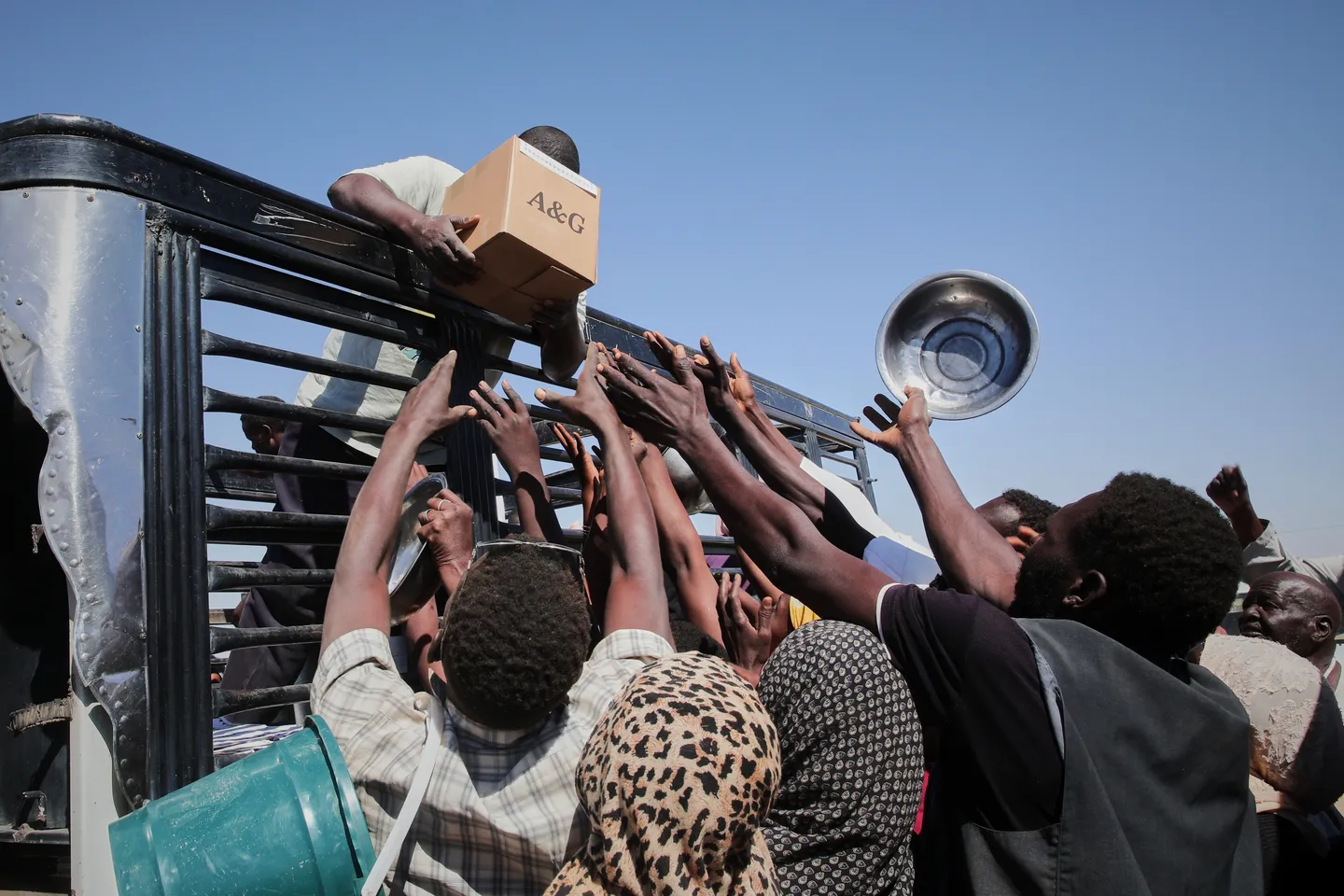
The United Nations has warned that a key logistics system delivering humanitarian aid to war-torn Sudan could collapse within weeks unless it receives urgent funding.
“The entire humanitarian system could collapse within weeks if we don't act now,” International Organization for Migration (IOM) chief Amy Pope said on Monday.
The war between Sudan’s army and the paramilitary Rapid Support Forces (RSF), which began in April 2023, has killed more than 200,000 people, according to aid workers.
The conflict triggered world’s current largest hunger and displacement crisis.
Aid pipeline is in crisis
The IOM said its Common Humanitarian Pipeline enables more than 100 national and international non-governmental organisations to deliver shelter and other essential non-food supplies across Sudan.
Since the war began, the system has reached 2.84 million people. However, its reach has declined as funding has fallen, despite humanitarian needs remaining at record levels.
The pipeline assisted more than one million people in 2024. So far in 2026, only 330,000 people have received support, including shelter and emergency household kits, through the system, the IOM said.





“Without immediate donor support, current shelter, sanitation and emergency household relief items are expected to be depleted by the end of September,” the UN agency said in a statement.
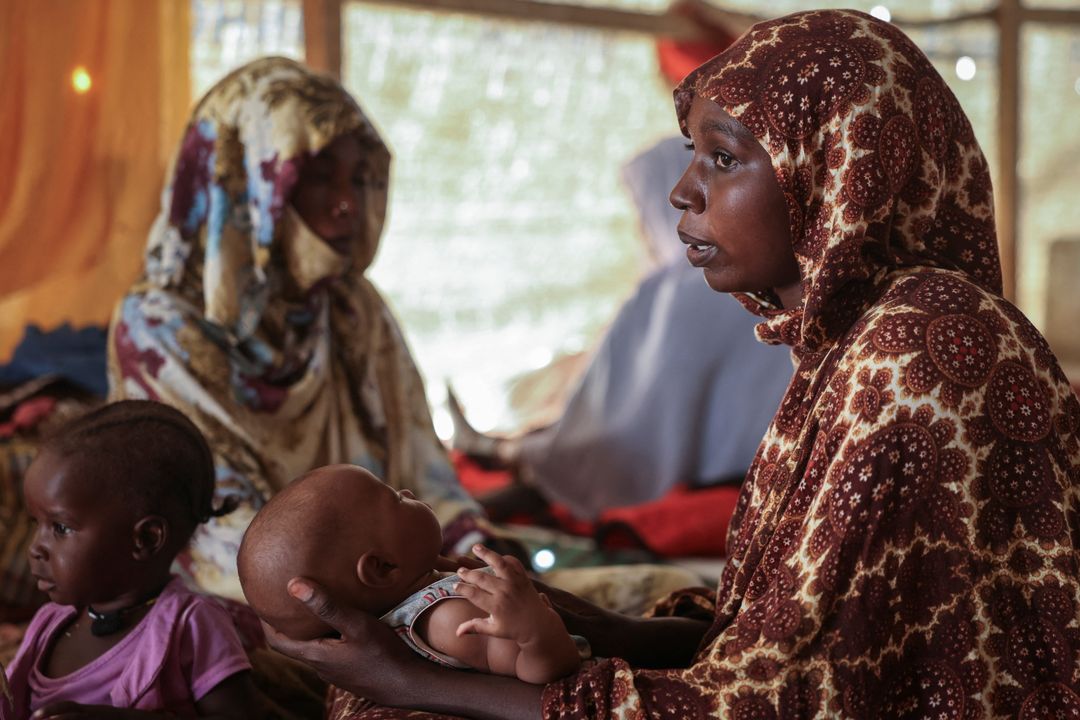
It added that the warehousing and operational capacity needed to keep the pipeline running could be sustained only until December 2026.
The IOM said it needed $15 million to maintain the pipeline at its minimum 2026 capacity for the next 12 months. Restoring operations to 2024 levels would require $42 million, it added.
The agency warned that reduced access to shelter would increase exposure to severe weather, disease and insecurity, while heightening the risks of gender-based violence, family separation and eviction in overcrowded displacement sites.
“Shelter is the foundation from which protection, health and recovery can begin,” Pope said. “When the pipeline stops, it is not simply warehouses that become empty. The entire humanitarian response becomes harder to deliver.”