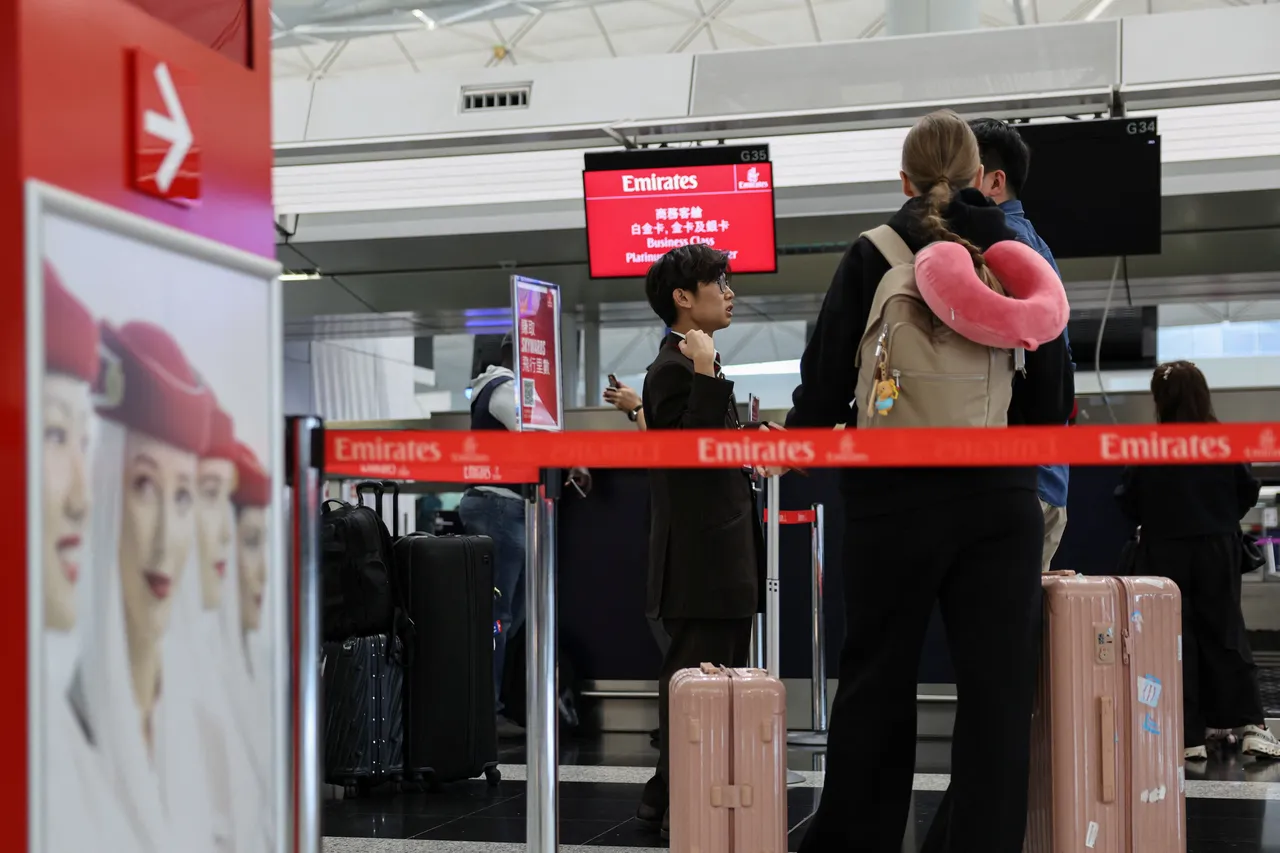
Flights from the Middle East to the Asia-Pacific region are gradually resuming after disruptions caused by escalating tensions in the region.
Emirates Flight 414 reached Australian airspace over Perth on Wednesday, while Etihad plans to operate Flight 454 from Abu Dhabi to Sydney on Thursday night and Flight 461 from Melbourne to Abu Dhabi on Friday, ABC News reported, citing the Australian Travel Industry Association.
Normally, carriers operate 160 weekly flights, and it will take one to two weeks to clear the backlog.
Australia is also sending six crisis response teams to the Middle East to support diplomats helping thousands of Australians stranded abroad, said Foreign Minister Penny Wong.
An Emirates flight, EK362, is expected to arrive in Guangzhou, a major city in southern China, according to Beijing-based daily Global Times.
"This is the first flight to the Chinese mainland since Dubai International Airport resumed operations," it added.
The six-hour flight is the first to the Chinese mainland since Dubai International Airport resumed operations.
Beijing evacuated 470 more Chinese citizens from Iran, foreign ministry spokeswoman Mao Ning said on Wednesday.
On Monday, China said it had evacuated more than 3,000 of its citizens from Iran, where one of its nationals was killed in Tehran.
India is evacuating citizens with several flights planned on the second day of its Middle East operation, Press Trust of India reported.
The Indian Ministry of External Affairs has set up a control room to assist those affected by the escalating crisis, adding that the safety of over 10 million nationals living in Gulf states is the "utmost priority" for New Delhi.
Pakistan has assisted nine sailors in Iran, who were stranded in the port city of Bandar Abbas. They are being sent home, while six others opted to remain on their ship, Ambassador Mudassir Tipu said on X.


Contingency plans
Other nations are preparing contingency plans.
South Korea is considering deploying chartered and military planes to evacuate its citizens from the Middle East, Yonhap News reported.
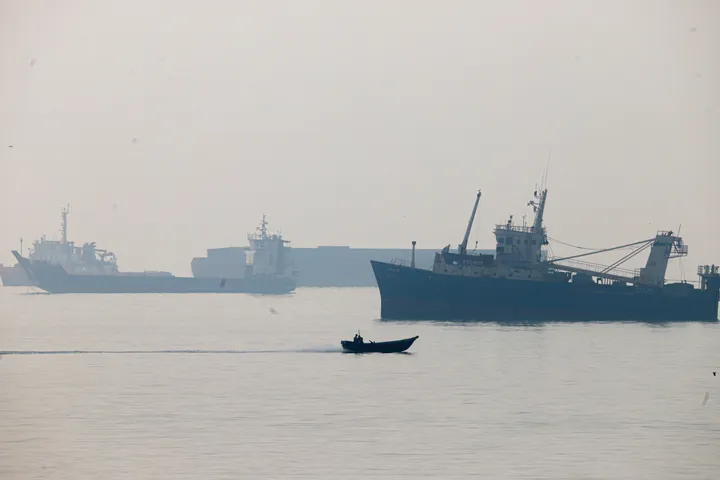
At least 186 South Korean seafarers are stranded in the Hormuz Strait.
Indonesia will evacuate 15 citizens overland from Tehran via Baku and then put them on flights to Jakarta, state-run Antara News reported.
Sri Lanka has set up emergency mechanisms for citizens seeking repatriation, with flights via Egypt and Türkiye being considered, local daily News First reported.
Malaysia continues to monitor the situation but has no immediate evacuation plans, local media outlet Business Today reported, citing Foreign Minister Mohamad Hasan.
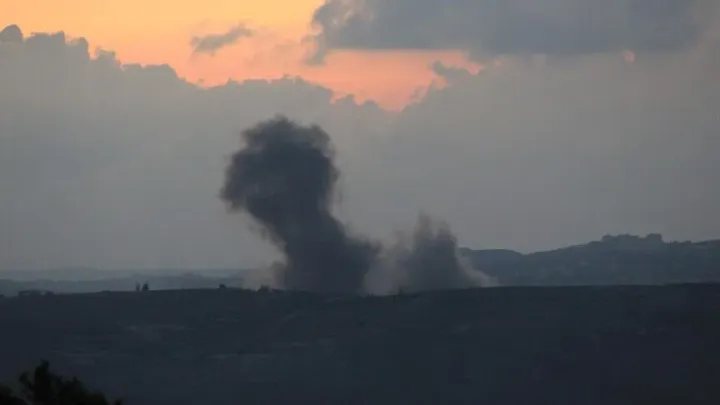
The evacuations come amid ongoing tensions in the Middle East after the US and Israel continue airstrikes on Iran, which began on February 28, killing its Supreme Leader Ali Khamenei and 866 others, including over 150 elementary school girls.
Some 5,946 others were injured, according to the Iranian Health Ministry.
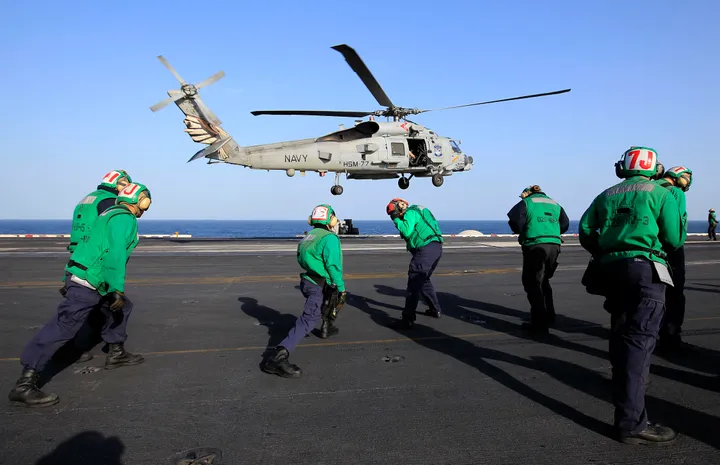
Tehran has retaliated with drone and missile attacks targeting US-linked sites in Gulf countries, causing multiple fatalities. Six US service members have been killed, and many others have been injured.
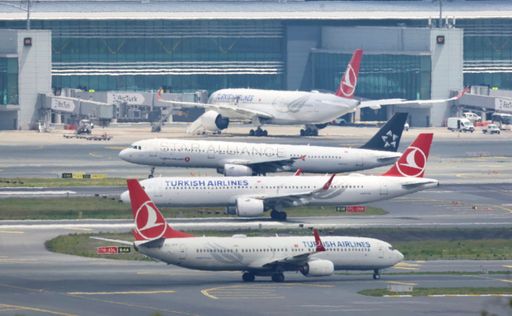
Thousands of flights have been cancelled, leaving hundreds of thousands of travellers stranded.
At least five more citizens from South Asia, one each from India, Pakistan, and Nepal, besides two from Bangladesh, have been killed in the ongoing conflict in the Middle East.