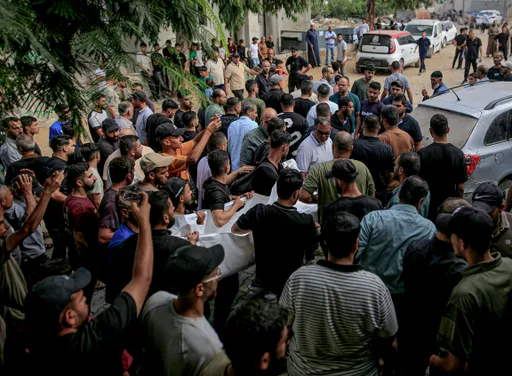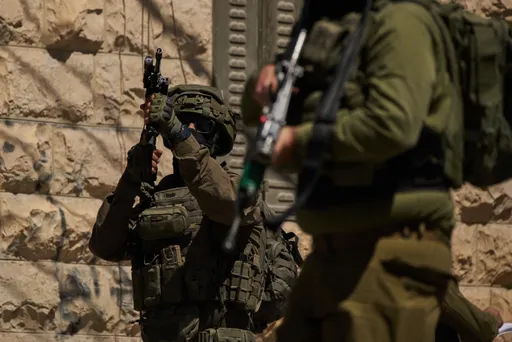
Illegal Israeli settler attacks targeting Palestinian mosques has swept the occupied West Bank in recent weeks, with the United Nations describing the broader pattern of illegal settler violence as the worst since systematic tracking began two decades ago, even as the international response has so far stopped short of any binding action.
According to the Colonization and Wall Resistance Commission, a Palestinian monitoring body, Israeli settlers and forces carried out 22 separate attacks on Muslim religious sites in May alone. Hebron governorate bore the brunt with 14 incidents, while Nablus, Jenin, Jericho and Ramallah each recorded additional attacks.
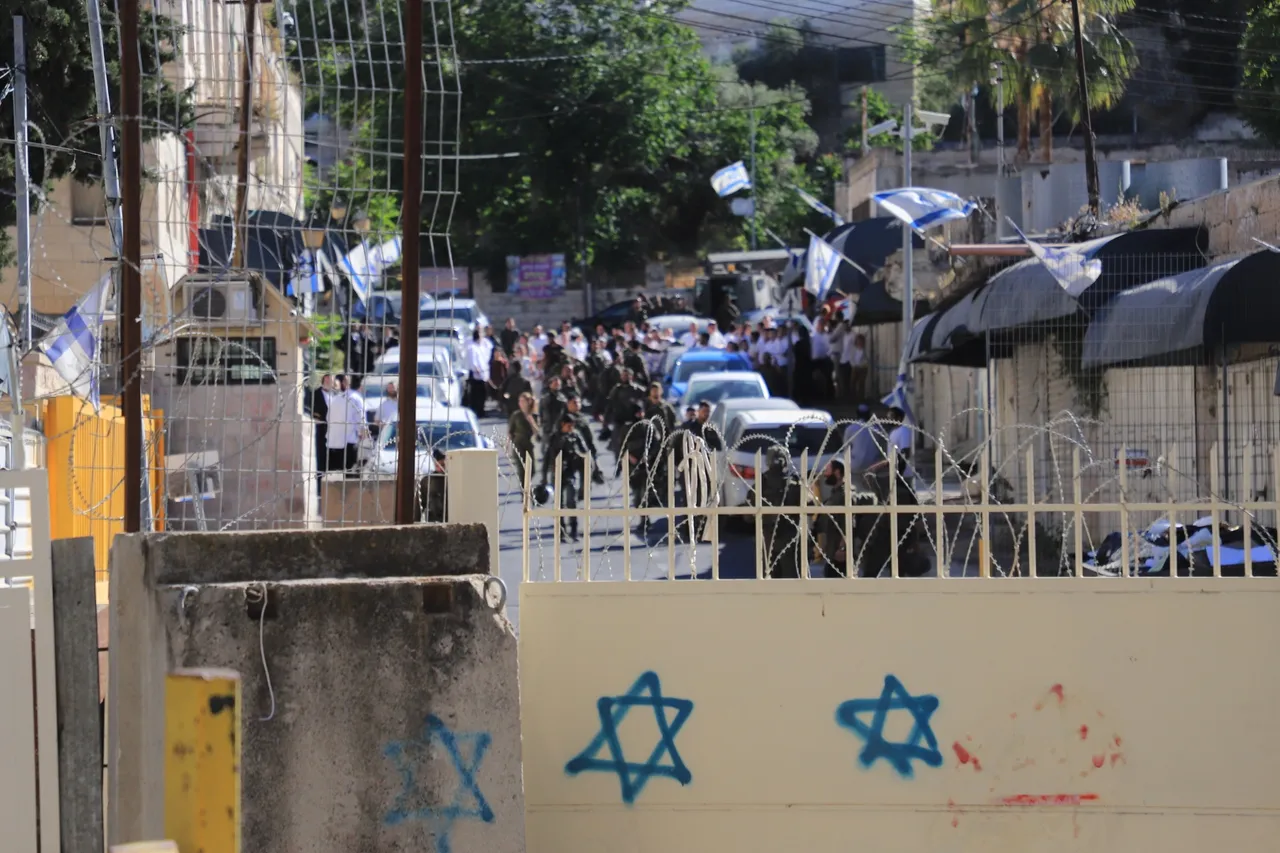
The violence has followed a consistent pattern: groups of Israeli settlers, often operating at night, storm village mosques, set fire to entrances or ablution rooms, and leave behind Hebrew graffiti.
In the town of Deir Dibwan near Ramallah, a 92-year-old Palestinian-American man was inside a mosque reading the Quran after evening prayers when settlers allegedly poured an incendiary substance near a window in an attempt to set the building ablaze; he escaped unharmed.
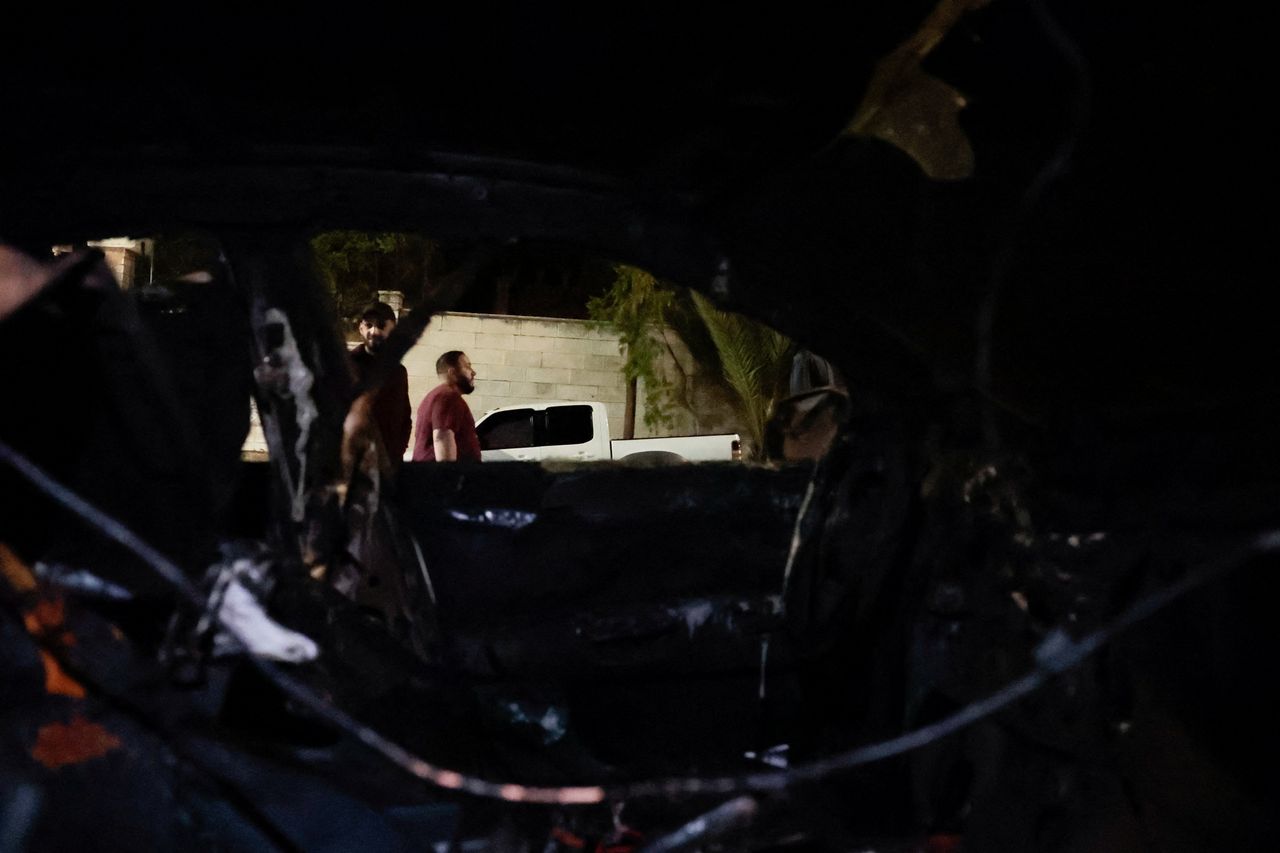
Local officials said the same night's raid was coordinated across three teams, one targeting the mosque, another nearby homes, and a third setting fire to vehicles and crops.
A separate attack on May 15 struck Jibiya, northwest of Ramallah, where settlers burned a mosque and two vehicles and sprayed racist slogans on nearby homes.
The Organisation of Islamic Cooperation's monitoring unit reported a similar spike around the same time, logging 119 settler attacks and roughly 300 military raids across the occupied West Bank in a single week in mid-May, alongside repeated incursions into occupied East Jerusalem's Al-Aqsa Mosque compound and Hebron's Ibrahimi Mosque.
The pattern continued into June. Overnight on June 16–17, settlers set fire to mosques in Jiljilya and Mazari an-Nubani, two villages north of Ramallah.
In Jiljilya, attackers failed to breach the main prayer hall. They torched a ground-floor ablution room instead. In Mazari an-Nubani, witnesses said Molotov cocktails were thrown at a mosque before the attackers fled as residents extinguished the blaze.
A record year, by the UN’s measure
The mosque attacks form part of a broader surge in illegal settler violence that UN agencies say is unprecedented in their data.
The UN’s humanitarian coordination office, OCHA, which has tracked such incidents since 2006, reported an average of six attacks per day in 2026. It called this the highest level on record, according to a spokesperson for the UN Secretary-General. The total has already surpassed 1,000 incidents this year.
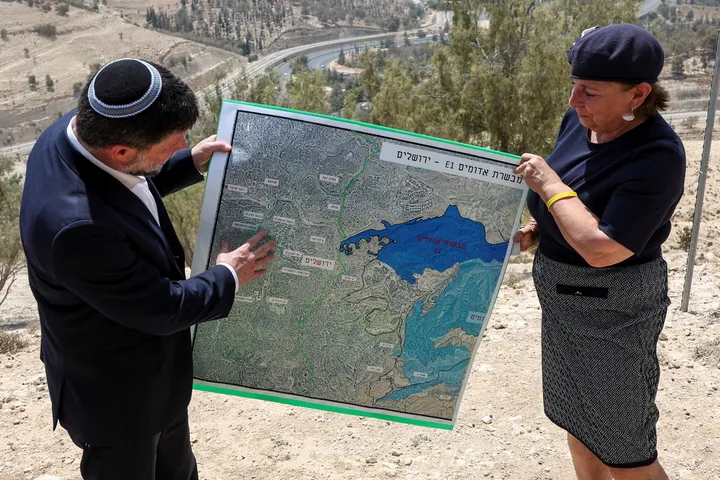
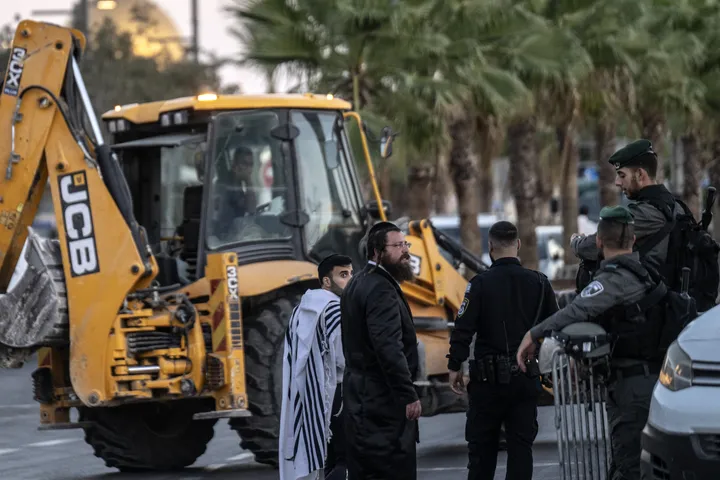
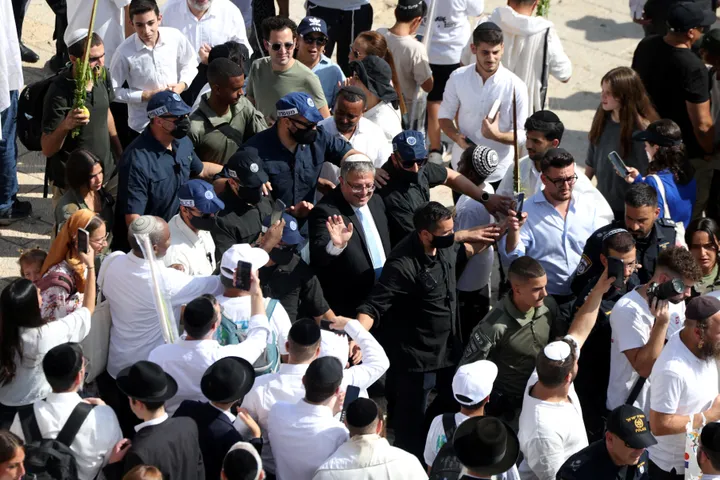
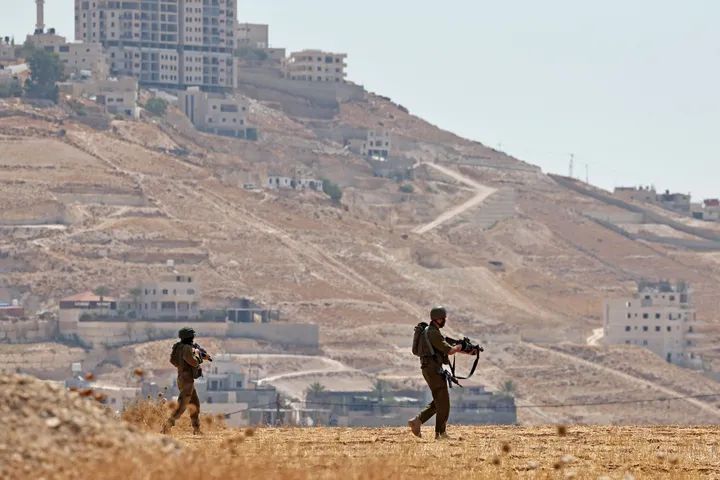
The UN Human Rights Office's most recent annual assessment, covering a year upto October 2025, documented 1,732 incidents of settler violence with casualties or property damage, up from 1,400 the previous year, and concluded that the violence was being carried out "in a coordinated, strategic and largely unchallenged manner."
Save the Children separately found that 685 Palestinian children were displaced in the first three months of 2026 alone, more than ten times the average for the same period over the prior three years.
Condemnation without enforcement
International condemnation of illegal settler violence has been consistent, but enforcement has remained limited.
The UN Secretary-General's office has repeatedly described mosque attacks as "completely unacceptable" and said Israel, as the occupying power, bears responsibility for ensuring accountability.
The European Union imposed sanctions on extremist settlers in late May, while the UK, Canada, Australia, France, New Zealand and Norway followed with coordinated measures targeting individuals and networks accused of enabling violence.
British officials said Israeli government condemnations “ring hollow” without enforcement. Jordan, Germany and Switzerland have also issued direct condemnations of specific attacks.
However, rights groups and analysts argue that sanctions largely target individuals and organisations while leaving untouched the political, legal, and security structures that sustain settlement expansion. They contend that treating settler violence primarily as the work of rogue extremists risks obscuring broader questions about state policy and institutional support.
The analysis cites the limited impact of previous sanctions. Amana, the Israeli settlement movement's main development arm, faced US sanctions in late 2024 but saw little disruption before the programme was rescinded by President Trump in January 2025.
It also points to exemptions that allowed Israeli banks to continue dealing with sanctioned settlers. Absent measures targeting the state itself, the report argues, sanctions on individual settlers are unlikely to significantly alter conditions on the ground.