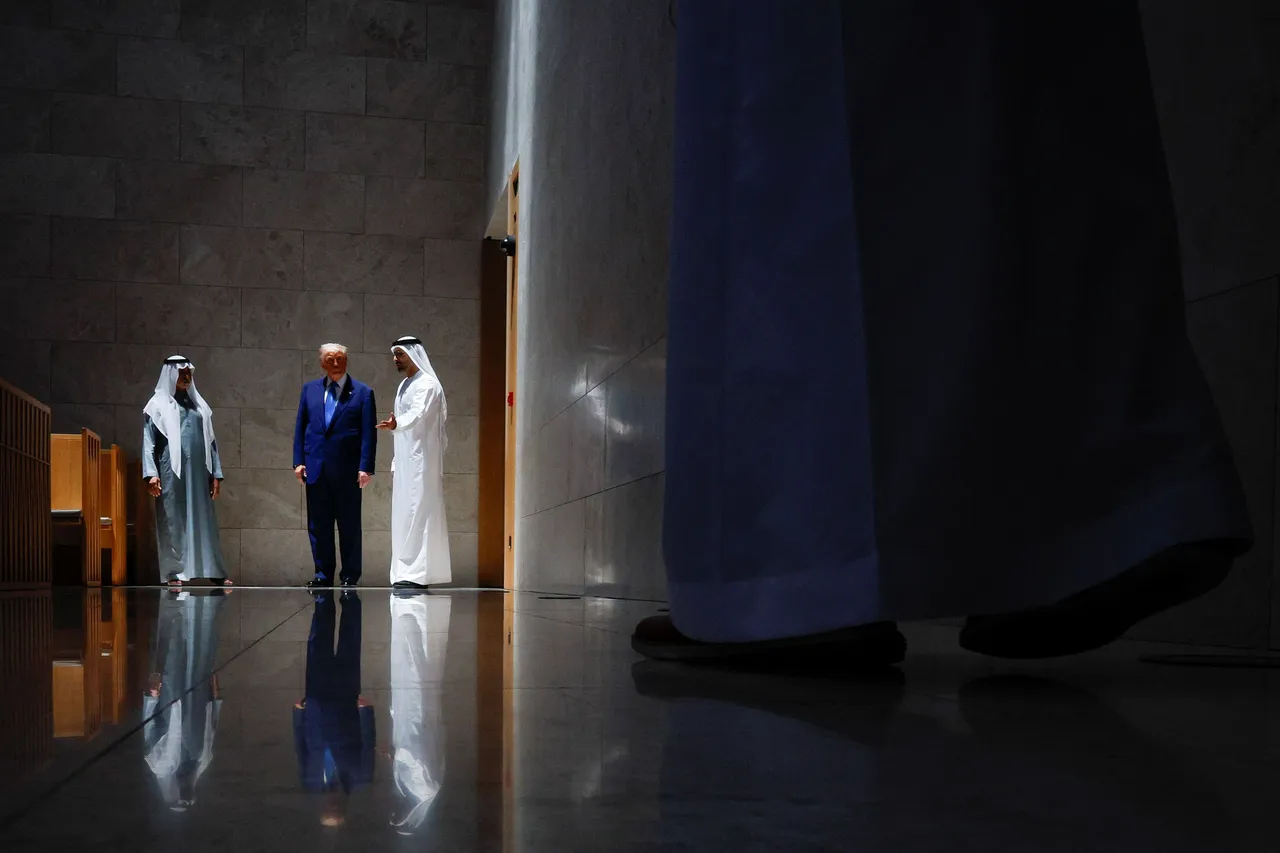
President Donald Trump has said that the United States is considering financial support for the United Arab Emirates, including a possible currency swap arrangement, as the war with Iran puts growing pressure on the Gulf state’s economy.
“It is,” Trump told CNBC on Tuesday when asked whether a currency swap with the UAE was under consideration, calling the Emirates “a good ally.”
“They’re really led by incredible people… I mean, I’m surprised, because they are really rich,” Trump said.
“If I could help them, I would. We’re helping them much more with what we’re doing with the war,” he added, referring to the US and Israel’s war on Iran.
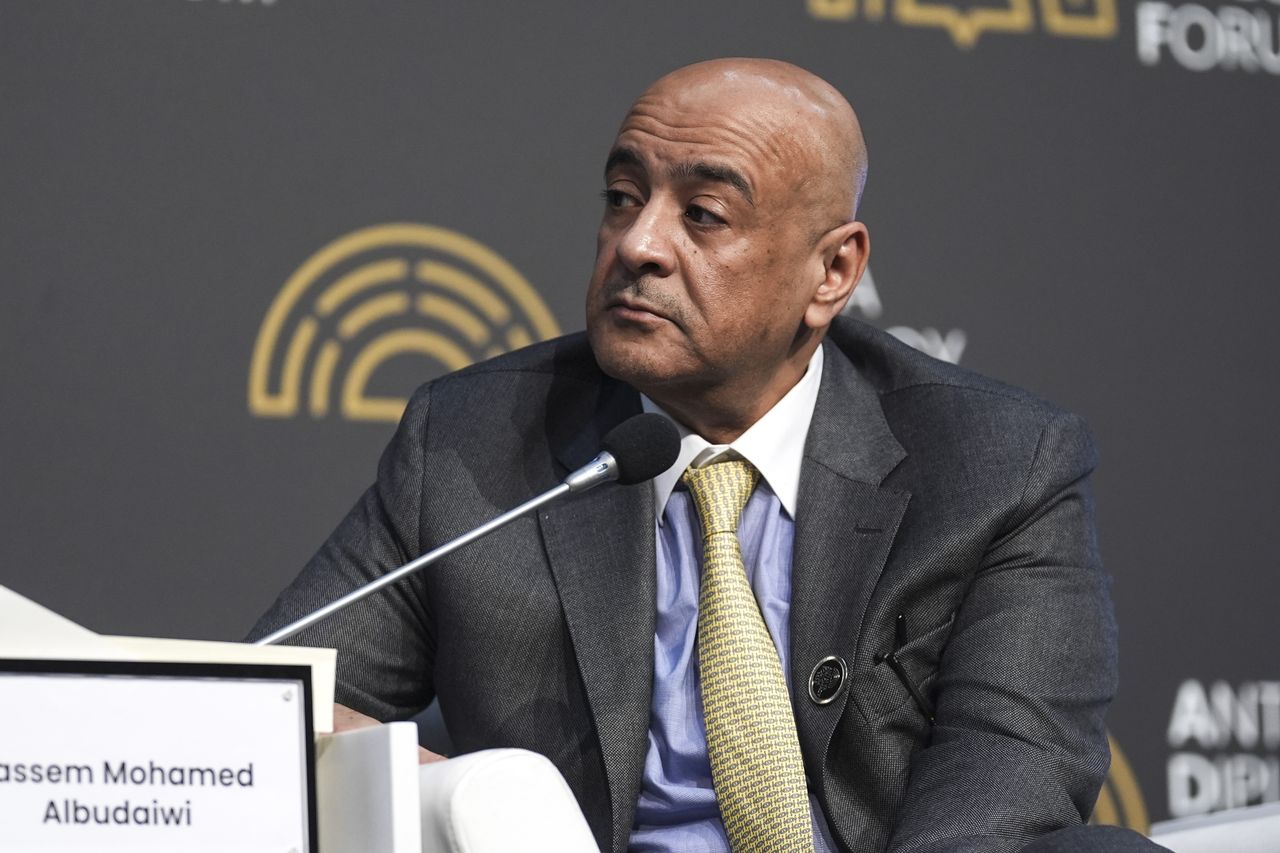
The comments came after reports that UAE Central Bank Governor Khaled Mohamed Balama raised the idea of a swap line during meetings last week in Washington with US Treasury Secretary Scott Bessent and Federal Reserve officials.
According to The Wall Street Journal, Emirati officials are seeking what they describe as a financial “backstop” in case the prolonged conflict with Iran pushes the oil-rich nation into a deeper economic crisis.
Oil shock and investor fears
Despite its vast wealth, the UAE has been hit hard by the fallout from the regional conflict.
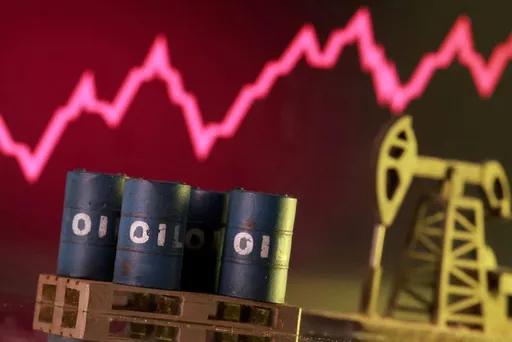
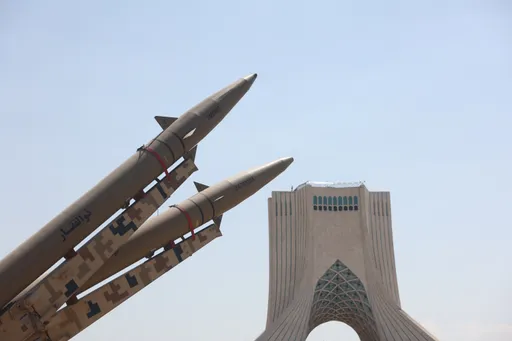
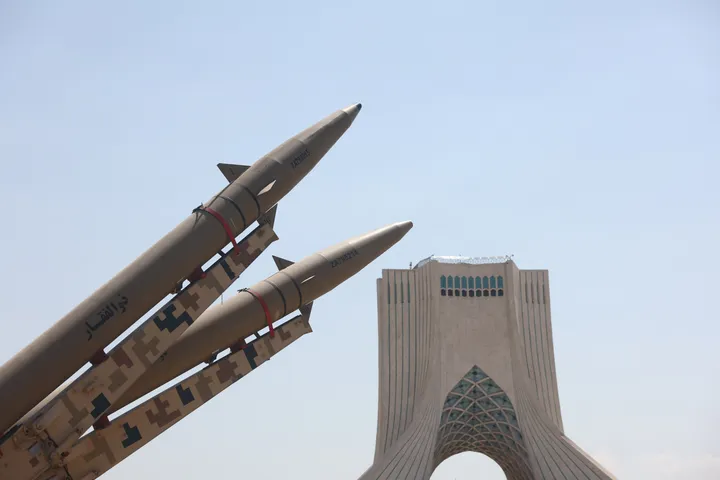
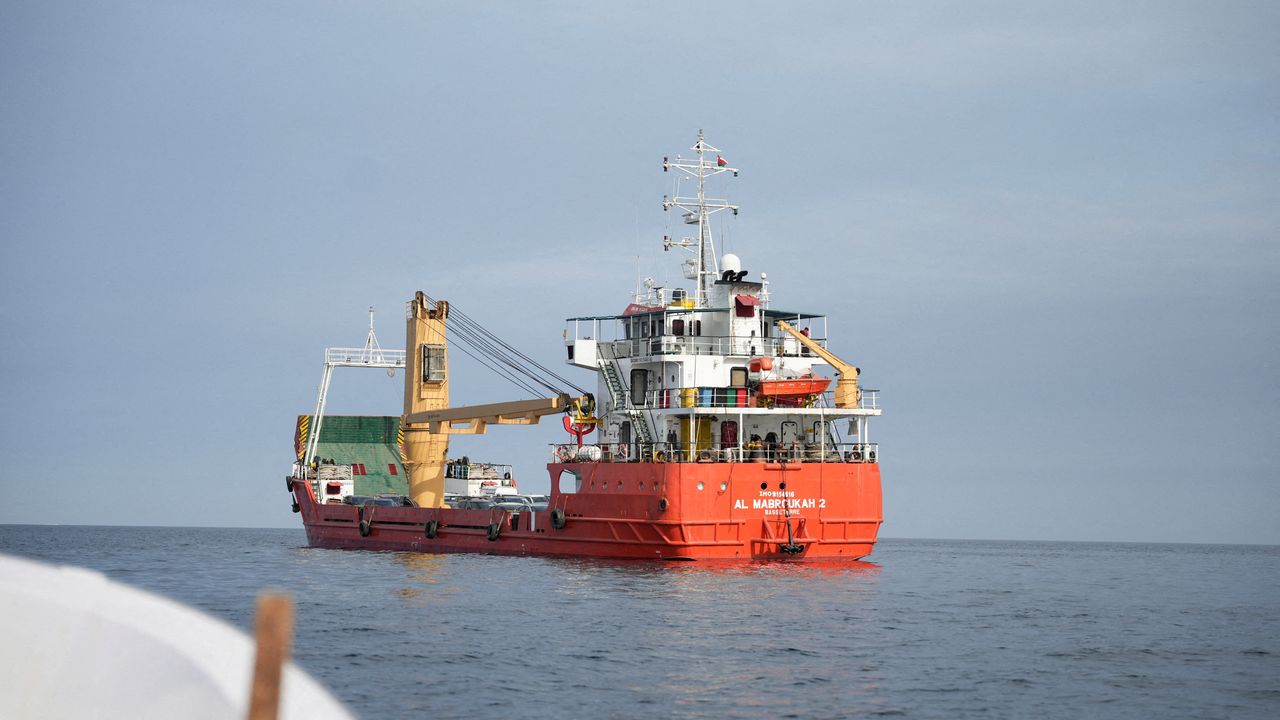
Iranian strikes have reportedly damaged oil and gas infrastructure in the country, while Tehran’s blockade of the Strait of Hormuz since late February has severely disrupted UAE oil shipments — a major source of national revenue.
Officials fear that a prolonged war could damage the UAE’s standing as one of the world’s top financial hubs, draining foreign reserves and shaking investor confidence in what was long seen as one of the region’s safest destinations for capital.
If approved, a currency swap line would give the UAE Central Bank access to low-cost US dollars, helping it stabilise its currency and reinforce foreign reserves in the event of a liquidity crunch.

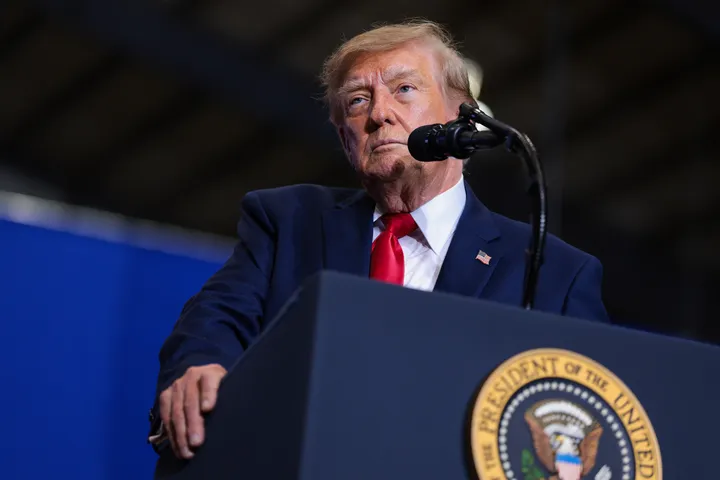


Trump suggested Washington would stand by the UAE if conditions worsened.
“If the UAE had a problem — I find it hard to believe — but if they had a problem, we would be there for them,” he said.
No easy recovery ahead
US officials remain cautious, with some questioning whether the Federal Open Market Committee would approve such a facility, since swap lines are typically reserved for crises that risk spilling back into the American financial system.
The US currently maintains permanent currency swap arrangements with the central banks of the UK, Canada, Japan, Switzerland and the European Union — but not with the UAE.
The Emirates is also seeking support elsewhere, having established a roughly $5 billion swap line with Bahrain earlier this month to strengthen regional financial stability.
Still, officials across the Gulf warn that even if fighting stops soon, economic recovery will be slow.
“The basic logistics of scheduling tankers and bringing them back after the chaos we have seen — that will take possibly to the end of June,” Saudi Finance Minister Mohammed Al-Jadaan said last week.
“Anyone who’s counting for a quick recovery, even if there is a total end of hostilities, will need to recalculate that.”
The developments underscore how the US-backed war with Iran is sending economic shockwaves far beyond the battlefield, forcing even wealthy Gulf allies to prepare for financial fallout.