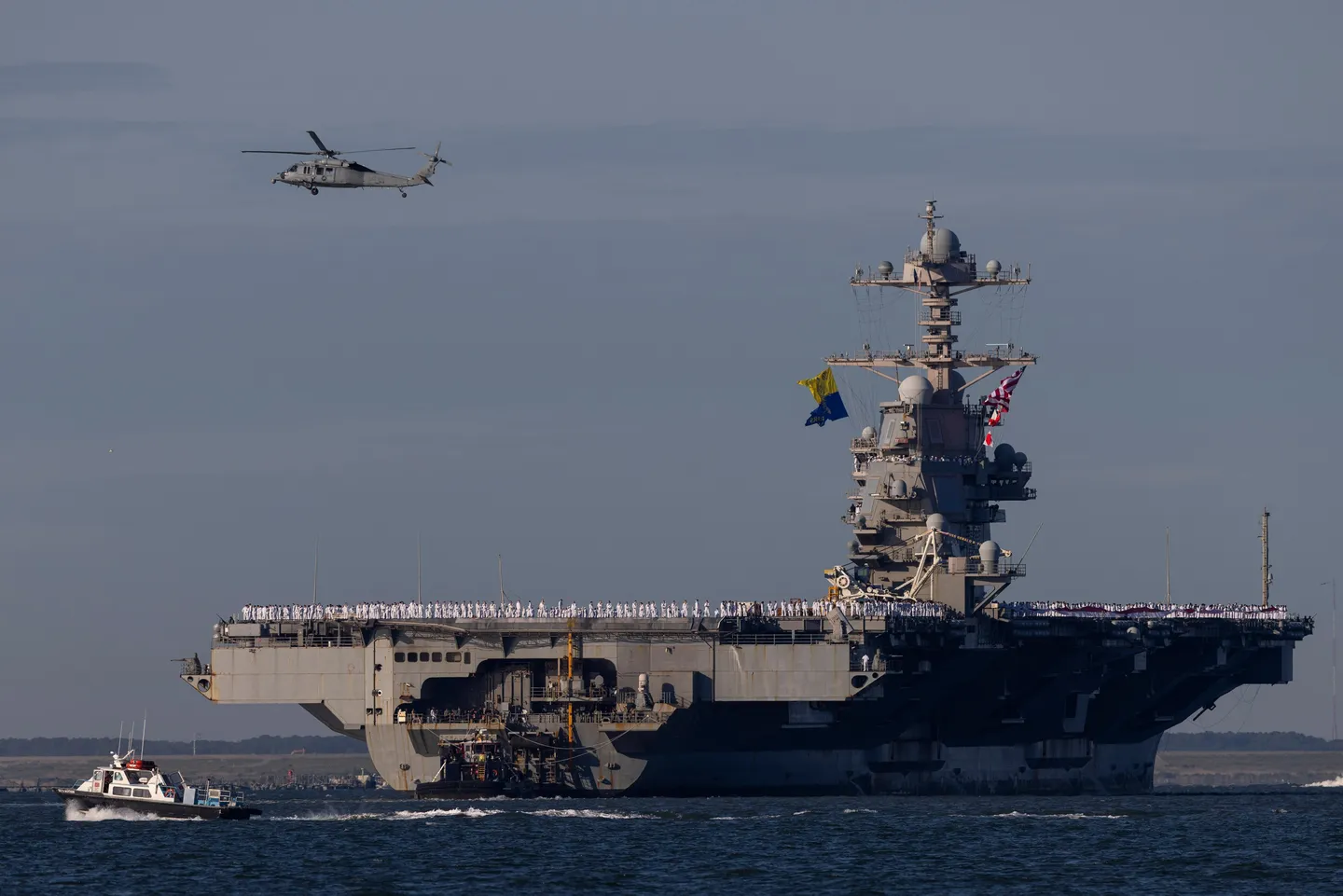
The US Navy is one of Washington’s main instruments of power projection, carrying American military reach across the world’s oceans through aircraft carriers, destroyers and other forward-deployed forces.
But a series of recent incidents has raised questions about how well the service is coping with prolonged deployments, maintenance pressures and operational demands.
USS Benfold
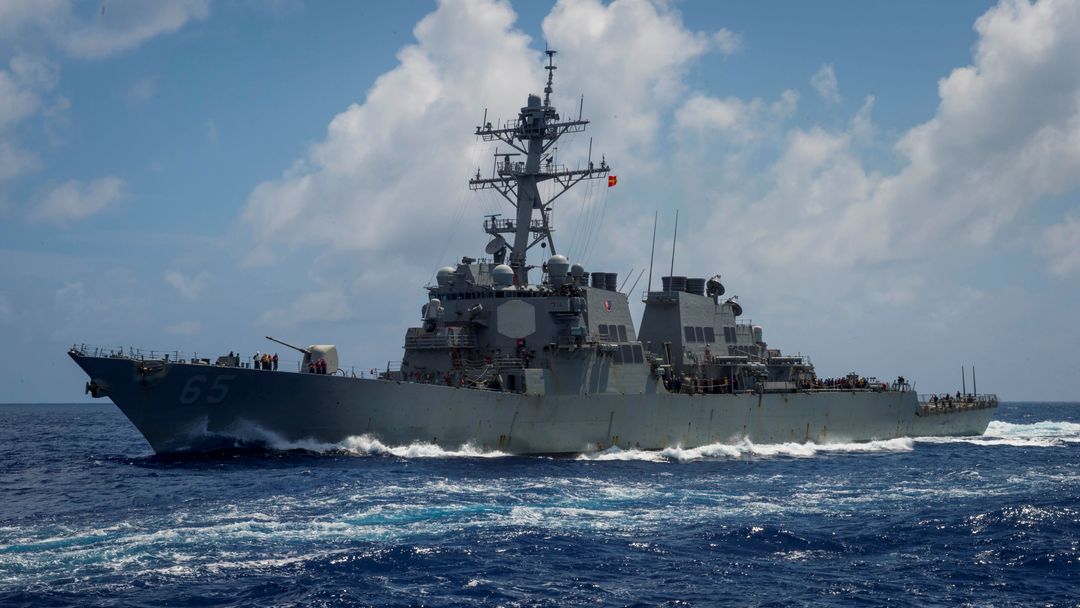
On July 24 2026, the Arleigh Burke-class guided-missile destroyer USS Benfold suffered an engineering failure while conducting routine operations in the Indo-Pacific.
The ship lost power for four days in the South China Sea. The Navy said the failure involved the ship’s generators.
The outage left sailors without galley services, toilets and air conditioning and affected potable water, according to Cmdr Matthew Comer, a spokesperson for the US 7th Fleet. He said there were no injuries and praised the crew for its “resilience, grit, professionalism and unwavering steadiness”.
The George Washington Carrier Strike Group supported the Benfold during the incident, with the cruiser USS Robert Smalls helping provide meals to the crew. The cause of the failure remains under investigation.
USS Abraham Lincoln
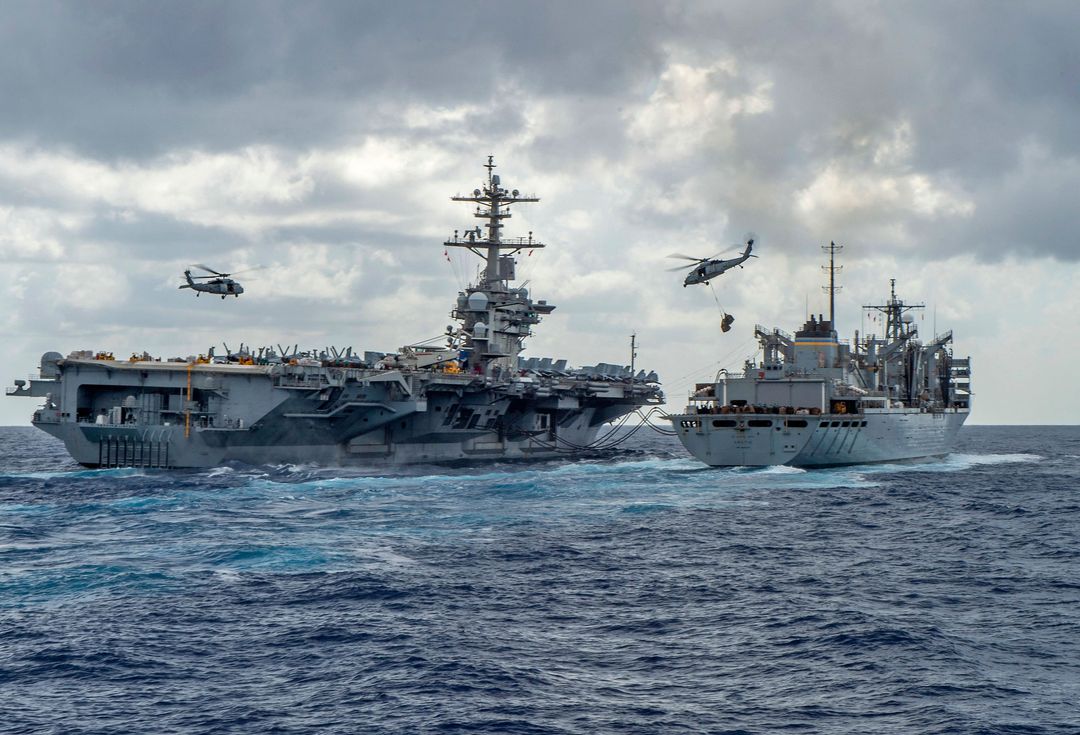
On August 18, 2026, reports about conditions aboard the USS Abraham Lincoln added to those concerns. The carrier has been at sea for more than 250 days with about 5,000 personnel after a deployment that began in November and was repeatedly extended.
Reports have cited food shortages, broken plumbing, water concerns and exhaustion.
Families have also raised concerns about mental health, with reports that some sailors had considered or attempted to go overboard.
The claims are disputed: a Navy official told the BBC it had not seen an increase in reported suicidal ideation or attempts and said current conditions included clean water, functioning air conditioning and adequate meals.
Still, broader research points to long-standing issues. A January 2025 study surveying 956 sailors cited earlier research showing that US Navy personnel had the highest rates of “serious psychological distress” among US military branches. It also identified poor habitability, noise and demanding schedules that limited sleep and rest as key stressors for sailors.
USS Gerald R. Ford
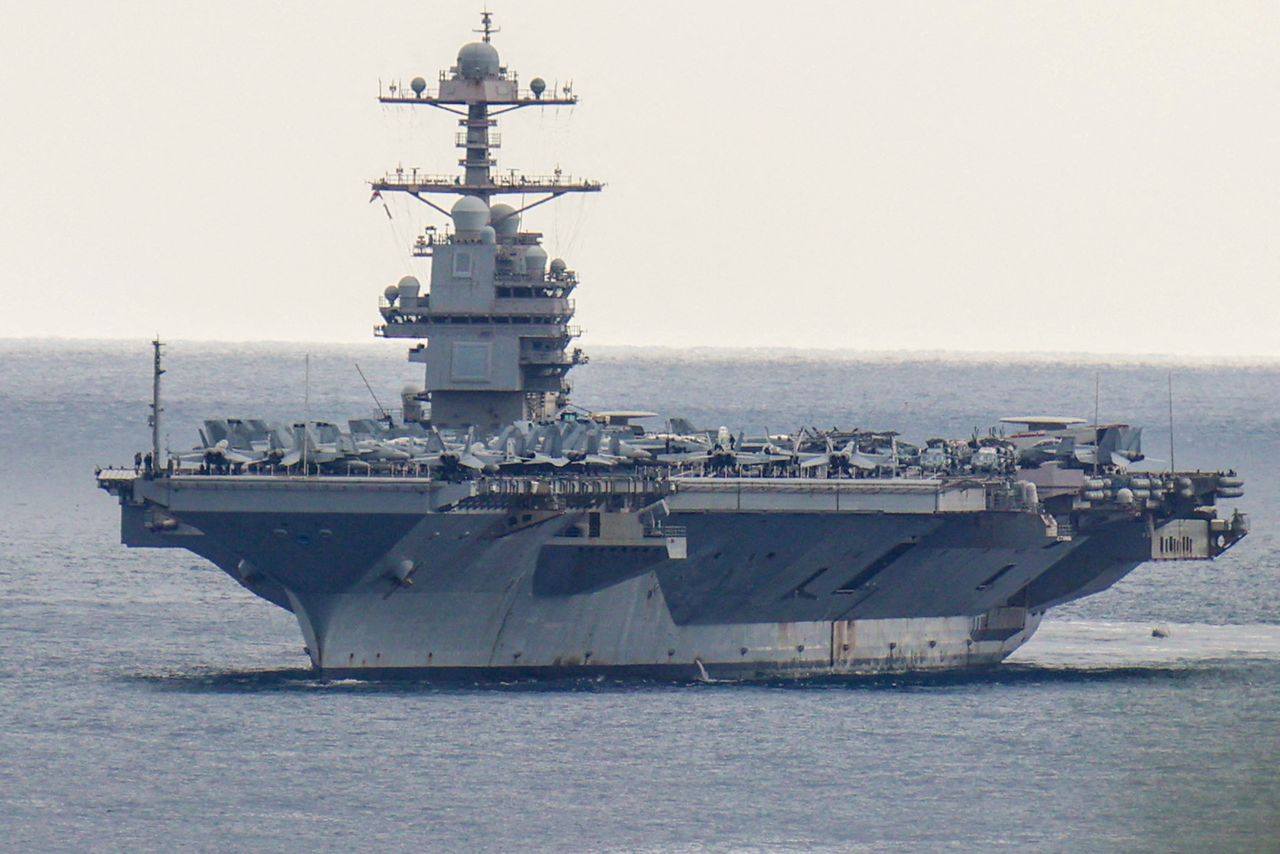
On March 16 2026, reports said a fire aboard the USS Gerald R. Ford took more than 30 hours to extinguish. It began in the carrier’s main laundry area, forcing more than 600 sailors to sleep on floors and tables after losing berthing spaces.
Two sailors were injured and dozens suffered smoke inhalation.
The fire occurred as the Ford entered its 10th month of deployment, moving from the Mediterranean to the Caribbean and then the Middle East, with the tour potentially nearing a year.







The ship was also dealing with recurring maintenance issues, including plumbing problems, while a scheduled refit had been delayed.
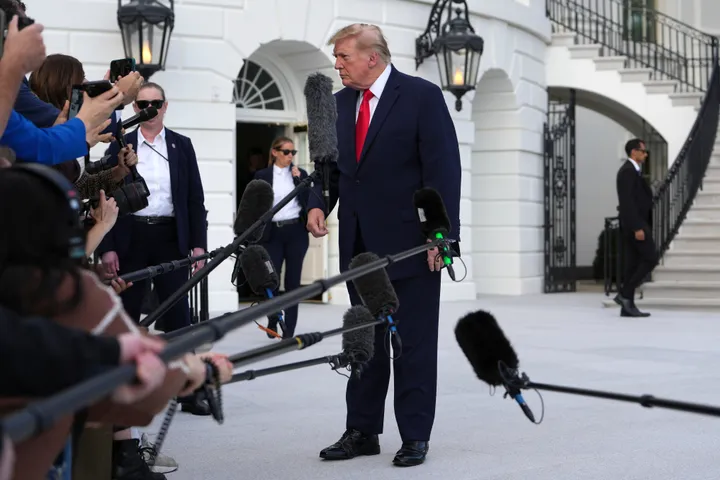
Retired Rear Admiral John F. Kirby said “Ships get tired too, and they get beat up over the course of long deployments,” adding that crews cannot operate “that long and that hard” without reduced performance.
USS Harry S. Truman
On February 12 2025, the Truman collided with the merchant vessel Besiktas-M near Port Said, Egypt. No sailors were injured and the carrier was not flooded, but investigators said a slight change in course could have had “catastrophic” consequences, with eight sailors just metres away from the impact zone.
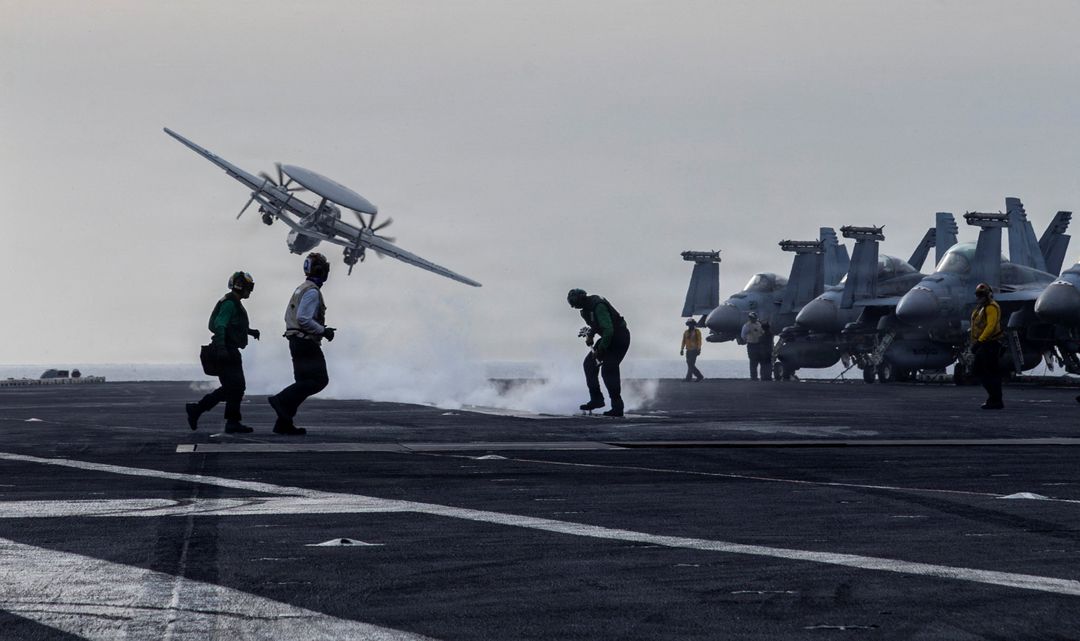
Other incidents included an F/A-18F Super Hornet lost in the Red Sea after an arresting cable failed, and an F/A-18E and towing tractor going overboard during an evasive manoeuvre.
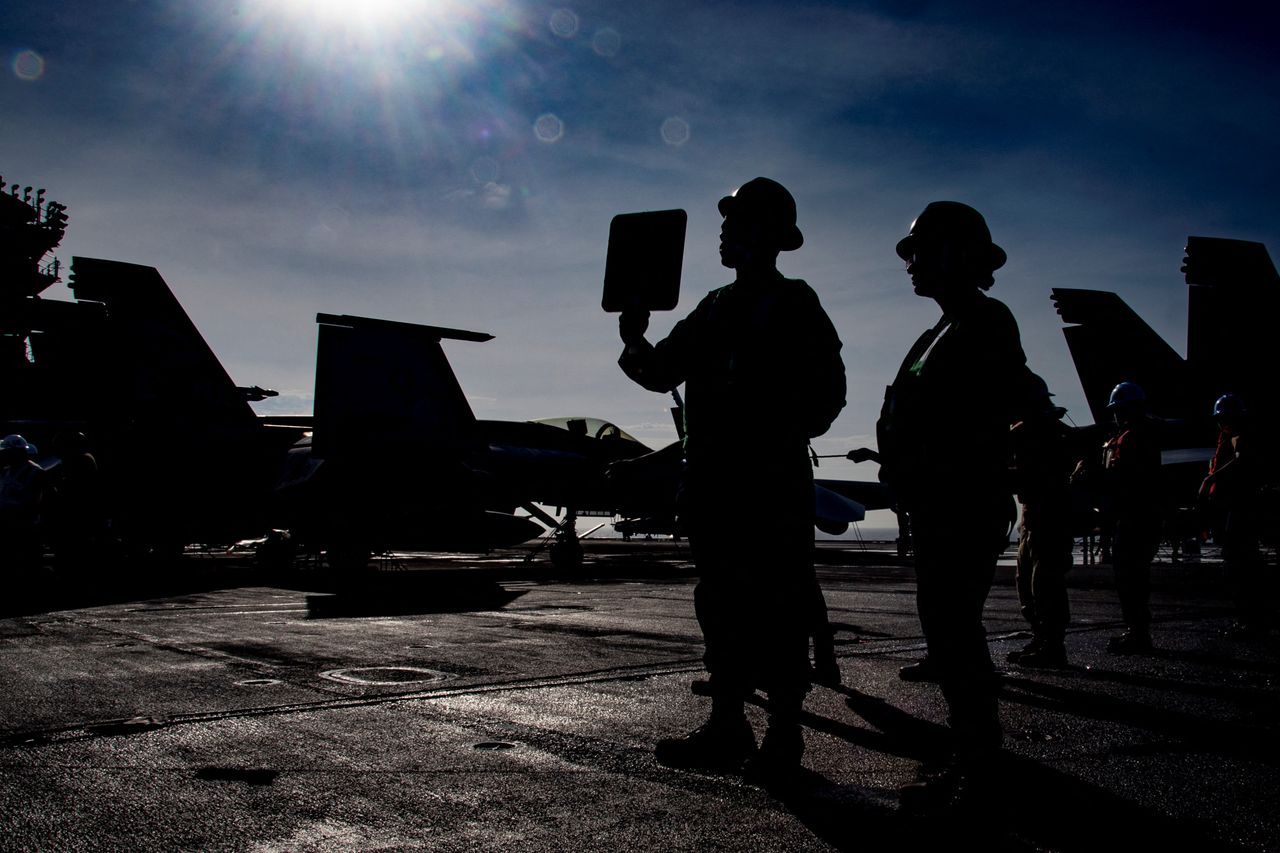
The mishaps cost more than $100 million and reflected a “pressurised schedule and a culture of ‘just get it done’,” according to investigators.
A Navy investigation cited poor communication, limited operational knowledge and weak integrated training.
Problems before ships reach the fleet
The issues extend beyond individual vessels. In March 2025, the US Government Accountability Office said the Navy had failed to grow its fleet over two decades despite a near doubling of its shipbuilding budget.
It cited problems with the Littoral Combat Ship and Zumwalt-class programmes, as well as delays in the Constellation-class frigate.
The Constellation programme was three years behind schedule, while the LCS and Zumwalt programmes had cost tens of billions more than planned while delivering less capability.
Since 2015, the GAO has issued 90 recommendations to improve shipbuilding practices, with 60 still unaddressed.
People’s Liberation Army Navy gains an edge
According to a 2024 report by the US Office of Naval Intelligence, the Chinese Navy maintained at least 153 major surface combatants within a fleet of more than 370 vessels.
By comparison, the US Navy has operated fewer than 300 vessels for several years, despite calls to expand the fleet to more than 350 ships.
With China adding a new frigate or other major surface combatant roughly every four months, and years-long delays affecting the US Navy’s latest warship programmes, the numerical gap could widen further.