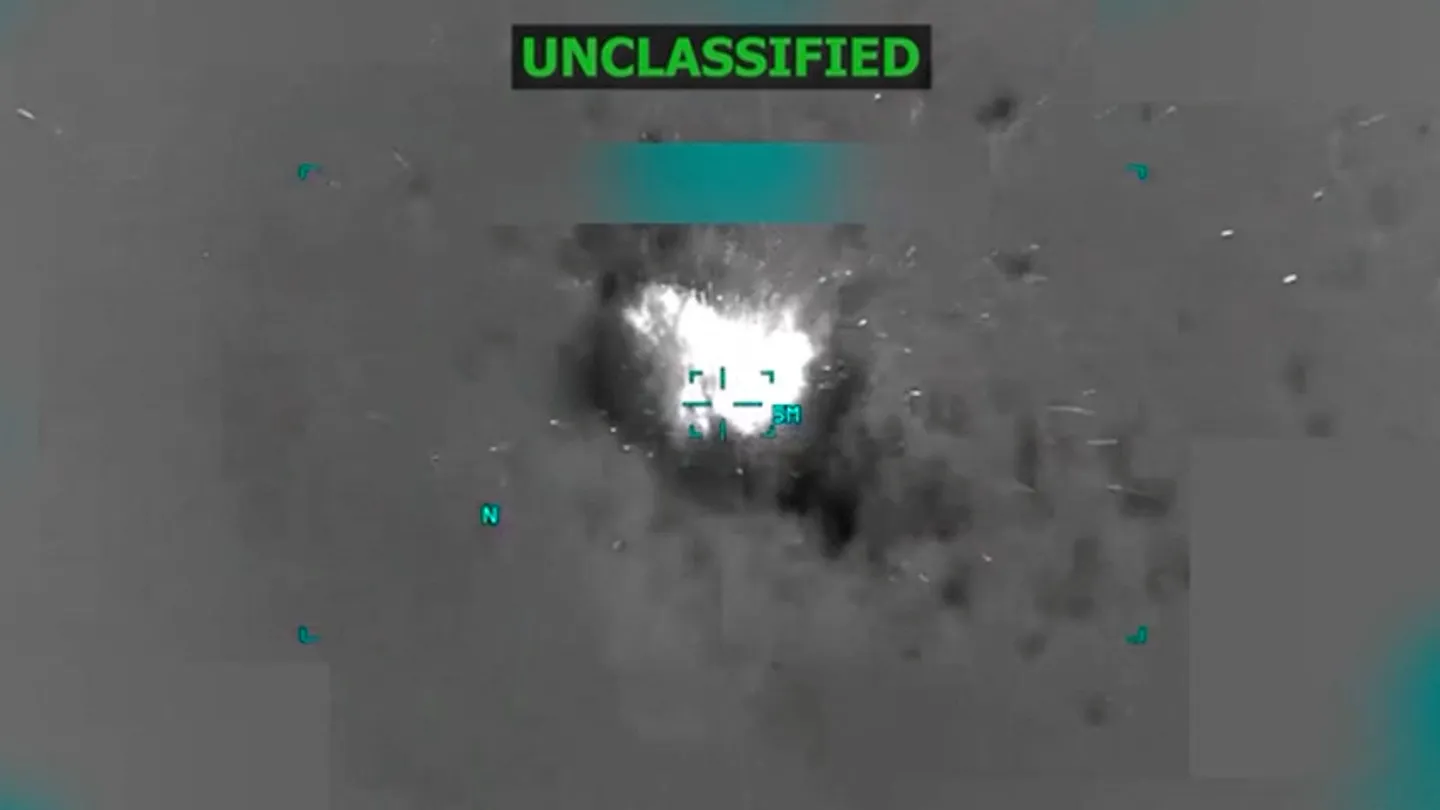
The United States carried out several military strikes on vessels off the coast of Venezuela suspected of drug trafficking, as President Donald Trump declared war on “narco-terrorists”.
However, a strike on September 2 has sparked legal scrutiny, congressional investigations and international criticism over the legality of targeting shipwrecked individuals.
The problem with that strike was that the accusations were directed at US Defense Secretary Pete Hegseth.
According to a Washington Post report, Hegseth ordered a second round of strikes to “kill everybody” after two people managed to survive the first strike.
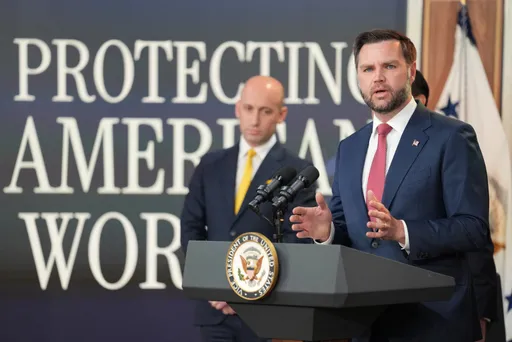
Hegseth denied issuing the directive, calling the report “fake news” and saying the strikes are “in compliance with the law of armed conflict—and approved by the best military and civilian lawyers, up and down the chain of command.”
Trump said on Sunday that the administration “will look into” the incident, but added, “I wouldn’t have wanted that — not a second strike.”
He noted that Hegseth told him “he did not order the death of those two men.”
The White House confirmed on Monday that a second strike was carried out, insisting it was “in self-defence” and complied with the laws of armed conflict. It said a top US Navy commander ordered a second round of strikes on an alleged Venezuelan drug boat.
Press Secretary Karoline Leavitt said that Hegseth authorised the strikes but did not give an order to "kill everybody", and "Admiral (Frank) Bradley worked well within his authority and the law" in ordering the additional strike.
‘Clearly unlawful’
Defence Secretary Hegseth has said that every trafficker the US kills is “affiliated with a Designated Terrorist Organization.”
Experts argue that such an attack on survivors would constitute a violation of both domestic and international law.
“I can’t imagine anyone, no matter what the circumstance, believing it is appropriate to kill people who are clinging to a boat in the water,” said Michael Schmitt, a former Air Force lawyer and professor emeritus at the US Naval War College, in a PBS report.
“That is clearly unlawful.”
The Trump administration justified the strikes as part of a counterdrug campaign to stem the flow of narcotics into the United States, asserting that the US is engaged in an “armed conflict” with drug cartels.
Schmitt said a legitimate armed conflict requires sustained violent action against the state itself, not merely criminal activity like drug trafficking.
Schmitt discussed that an example would be Colombia’s battles with the FARC guerrillas.
“But that’s not because they were selling drugs that were killing people. It’s because they were using force against the government in an effort to do their drug activities with impunity,” Schmitt said.
“It has been clear for well over a century that you may not declare what’s called ‘no quarter’ — take no survivors, kill everyone,” Schmitt said.
Matthew Waxman, a Columbia University law professor and former national security official, noted that whether an armed conflict exists is unlikely to be judged by an international court.
Still, illegal strikes could damage relations with allies, who may refuse to share information for operations that violate their own laws or international norms, Waxman says.
‘It is a murder’



Outside armed conflict, the second strike may have violated international human rights law.
“You can only use lethal force in circumstances where there is an imminent threat — imminent like now — to life or really serious injury,” Michael Schmitt noted. “And that wasn’t the case.”
Brian Finucane, a former State Department lawyer and senior adviser at the International Crisis Group, said the term for a premeditated “killing outside of armed conflict is murder.”
“Murder on the high seas is a crime. Conspiracy to commit murder outside of the United States is a crime. And under the Uniform Code of Military Justice, Article 118 makes murder an offence.”
He also added that US military personnel could be prosecuted in American courts.
The Pentagon’s manual on the laws of war explicitly cites similar scenarios, stating that service members should refuse orders to fire on the shipwrecked, which would be “clearly illegal.”
What is Congress doing about it?
Congressional oversight has begun.
Leaders of the Armed Services committees in both chambers are investigating the strikes.
Bipartisan lawmakers said the committee “will be conducting vigorous oversight to determine the facts related to these circumstances.”
The scrutiny comes after a video by Democratic lawmakers — all veterans — urging US military members to defy “illegal orders.”
Among them was Senator Mark Kelly, a former Navy fighter pilot, who told NBC’s Meet the Press that service members “are legally required not to follow” unlawful orders.
Senate Majority Leader John Thune defended the strikes as a counter-narcotics measure.
International impact
International concerns have also emerged.
The Venezuelan government, under President Nicolas Maduro, responded with swift condemnation, saying the strikes were an act of aggression and a potential precursor to invasion.
The US strikes triggered Venezuelan jets to fly in the Caribbean, a non-confrontational response signalling readiness.
During a G7 foreign ministers’ meeting near Niagara Falls, French Foreign Minister Jean-Noel Barrot criticised the strikes, warning of potential violations of international law and regional instability.
“We have observed with concern military operations in the Caribbean region because they disregard international law and because France has a presence in this region through its overseas territories,” he said, referring to more than a million French citizens living there.
CNN reported that the UK suspended intelligence-sharing with the US in the Caribbean over fears of criminal liability.
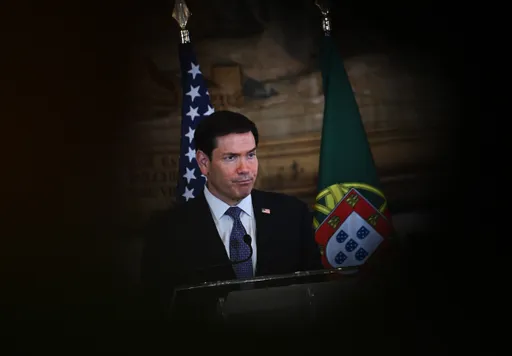
Secretary of State Marco Rubio dismissed the report, saying that US-UK cooperation remains strong.