 M. Fevzi Esen
Every climate summit is measured by what it leaves behind.
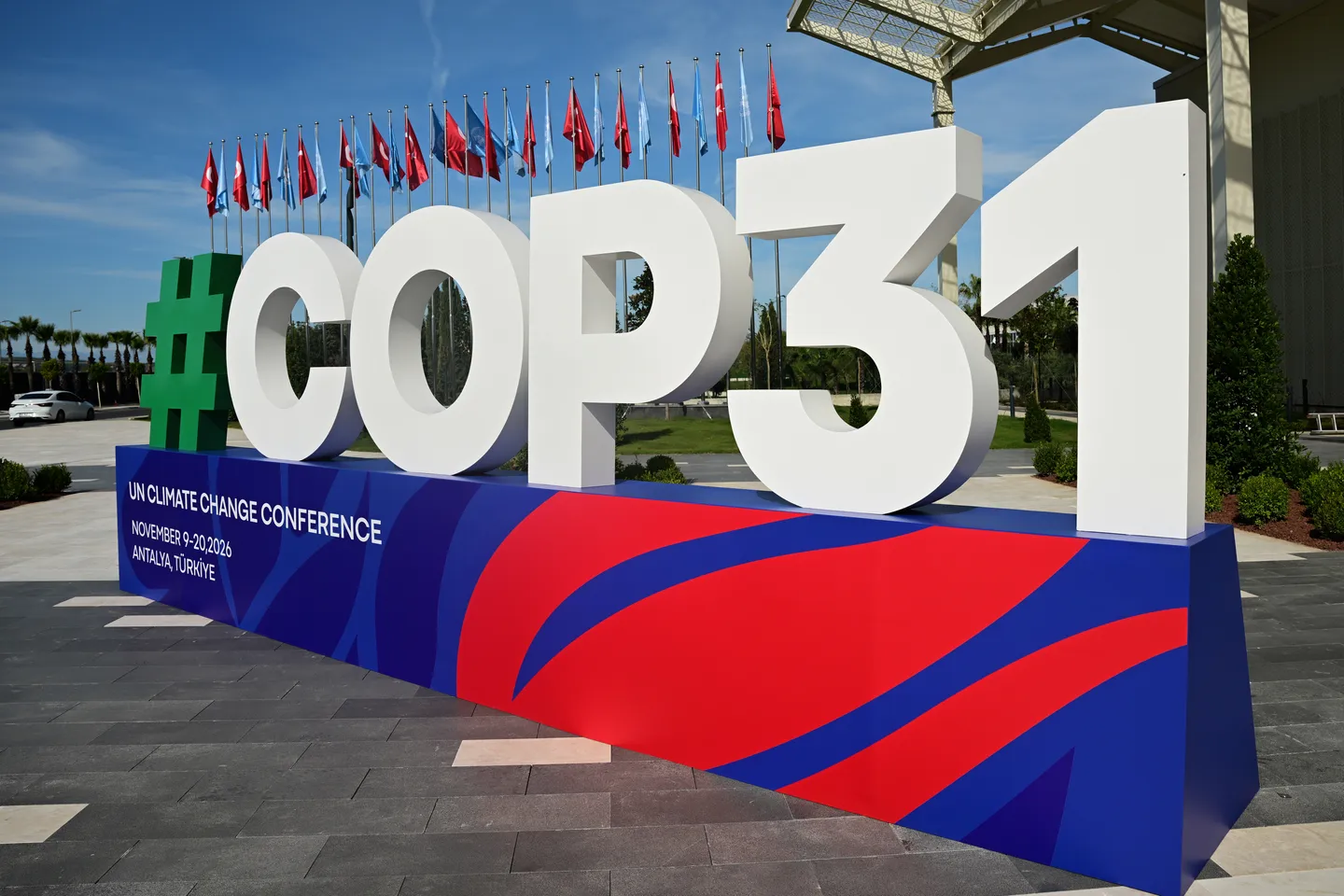
When governments gather in Antalya from November 9 to 20 for COP31, the annual UN climate conference, the real measure of success will be whether commitments begin to show up in cities, markets, landfills and household bins.
Waste is one of the places where that test is most visible, and where Türkiye has something concrete to offer.
Alongside COP31, governments will meet as the governing body of the Paris Agreement and the Kyoto Protocol, while the climate process’s two subsidiary bodies, which provide scientific advice and oversee implementation, hold their 65th sessions during the first week.
Türkiye will host the conference and lead its Action Agenda, the track that brings governments together with cities, businesses and civil society.
Under a Türkiye-Australia partnership model, Australia’s Chris Bowen has been appointed President of Negotiations, leading the talks in consultation with Türkiye.
The negotiating agenda is long.
Under the Paris Agreement, governments are due to address several programmes, including the Global Stocktake, the United Arab Emirates Just Transition Work Programme, the Sharm el-Sheikh mitigation work programme and further guidance on countries’ national climate plans, known as nationally determined contributions (NDCs).
The list also includes support for transparency reporting under Article 13, the Global Goal on Adaptation, loss and damage, climate finance, and international cooperation under Article 6.
Several of these issues arrive in Antalya unresolved.
Work on making the Just Transition Work Programme operational was carried over from the previous technical session, the mitigation work programme faces a decision on whether it continues, and guidance on NDCs is back on the table.
The success of COP31 will therefore depend less on the breadth of its agenda than on whether it links negotiation to implementation.
Waste to action
The Presidency has framed the conference around dialogue, consensus and action, and has said it wants COP31 to turn commitments into measurable results. That is the right yardstick.
Zero waste belongs at the heart of that implementation effort, though precision matters.
Waste, circular economy and methane reduction are not standalone items on the formal negotiating agendas.
They are, however, explicitly part of the official COP31 Presidency Action Agenda, where zero waste is described as unlocking the climate potential of waste management through scalable circular-economy solutions.
The Presidency’s thematic calendar also designates November 11 as Zero Waste Day, coinciding with the first day of the Leaders Summit.
This is more than a technicality. Negotiations produce collective decisions, rules and guidance.
The Action Agenda is where governments, cities, businesses and civil society turn those frameworks into projects and partnerships on the ground.
Rather than competing with mitigation, adaptation or finance for attention, zero waste can help make all three tangible.
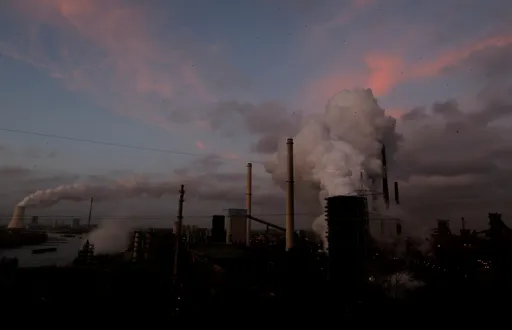
The numbers support this. According to the Global Methane Assessment of the UN Environment Programme (UNEP), landfills and wastewater account for about 20 per cent of human-caused methane emissions.
In 2026, UNEP also reported that food loss and waste generate 8-10 per cent of global greenhouse gas emissions, and that food waste alone accounts for up to 14 per cent of global methane emissions.



Preventing waste, separating it at source, managing organic waste properly and keeping resources in use are near-term climate measures, not only matters of cleanliness or recycling.
Waste also offers a bridge to national climate plans. The UN climate secretariat's NDC synthesis report, published in October 2025, covered 64 new plans, representing about 30 per cent of global emissions in 2019.
The UNFCCC itself cautioned that such a limited sample could not support wide-ranging global conclusions.
That caution is worth heeding: implementation claims at COP31 will need to hold up to scrutiny, with figures that are clear about their coverage and method.
The same rigour should apply to transparency.
Waste and methane initiatives presented at COP31 should be designed so that their emissions impact can be measured, reported and connected to national implementation systems, so that they add up to more than a series of isolated showcases.
This is where the Zero Waste Foundation has a clear and meaningful role.
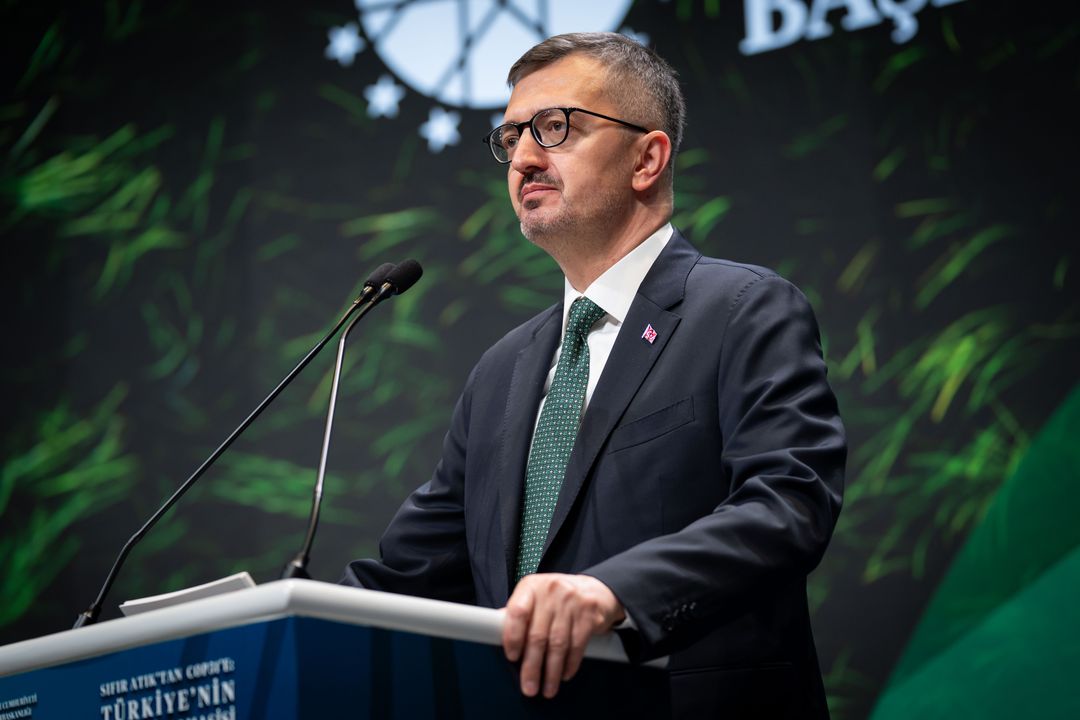
Its president, Samed Agirbas, has been appointed COP31 Climate High-Level Champion, with a mandate to work with business, financial institutions, cities and regions, and civil society.
The role sits outside the formal negotiations, in which the Foundation itself holds no mandate, but it links the Foundation’s experience directly to the actors who must deliver COP31’s commitments.
UNEP has acknowledged the foundation’s role in global climate action.
At home, the foundation follows a local-to-national model. Its Istanbul Zero Waste Week programme drew participation from all 39 districts of the city and more than 1,500 project applications from public institutions, local administrations, universities, NGOs, and the private sector.
In Antalya, a foundation workshop brought together roughly 400 participants from public institutions, local governments, universities, civil society, professional chambers and business.
They worked across 16 thematic tables on issues such as food waste, plastics, circular industry, finance and data. These figures come from the foundation’s own reporting, and they show the kind of stakeholder network that turns a summit theme into local action.
Antalya agenda
The opportunity for COP31 is practical.
Governments can connect waste and methane measures to their national climate plans. Cities can build credible project pipelines to prevent food waste, separate organic waste, and cut methane from landfills.
Businesses can redesign material flows, financiers can ask for measurable climate outcomes, and civil society can help programmes earn local legitimacy.
None of this replaces progress in the negotiations on finance, adaptation, loss and damage, a just transition or mitigation. It makes those goals easier to achieve.
Delegations should leave Antalya with a simple standard for zero waste climate action: measure what is avoided, finance what can scale, disclose what is delivered and link local projects to national commitments.
The Zero Waste Foundation and other non-state actors can contribute most by convening the institutions that run waste systems, direct investment, hold data and shape public participation, and by turning visibility into verifiable results.
The official Action Agenda provides a platform to build projects that cut methane, prevent waste, and strengthen circularity, and to hold each one to that standard.
COP31 can make zero waste a delivery discipline, not just a theme.