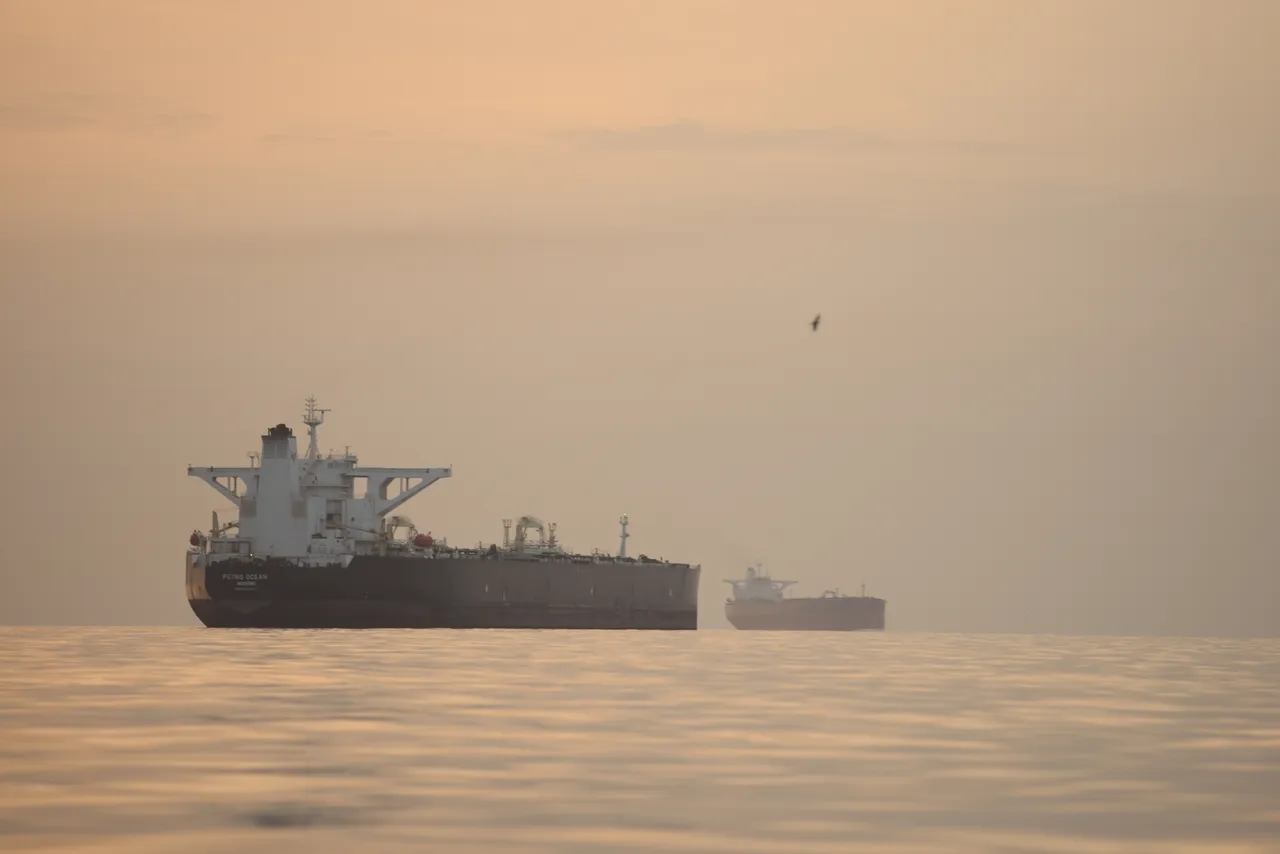
The head of the International Maritime Organization (IMO) has said that a significant number of seafarers remain stranded aboard vessels around the Strait of Hormuz, as he called the situation “unacceptable” for a civilian workforce.
IMO Secretary-General Arsenio Dominguez said on Wednesday the situation in the strategic shipping channel remains “deeply concerning.”
“A significant number of seafarers are now stranded on board vessels unable to operate normally or to leave the region, effectively confined for prolonged periods in a high-risk environment,” Dominguez said at the opening of the 111th session of the Maritime Safety Committee in London.
He said seafarers are facing “sustained security threats and severe psychological pressure,” while the immobilisation of ships in and around the Gulf also carries serious consequences for global trade, energy supply and economic stability.
“The longer this situation persists, the greater the risk of a serious maritime incident,” he added.
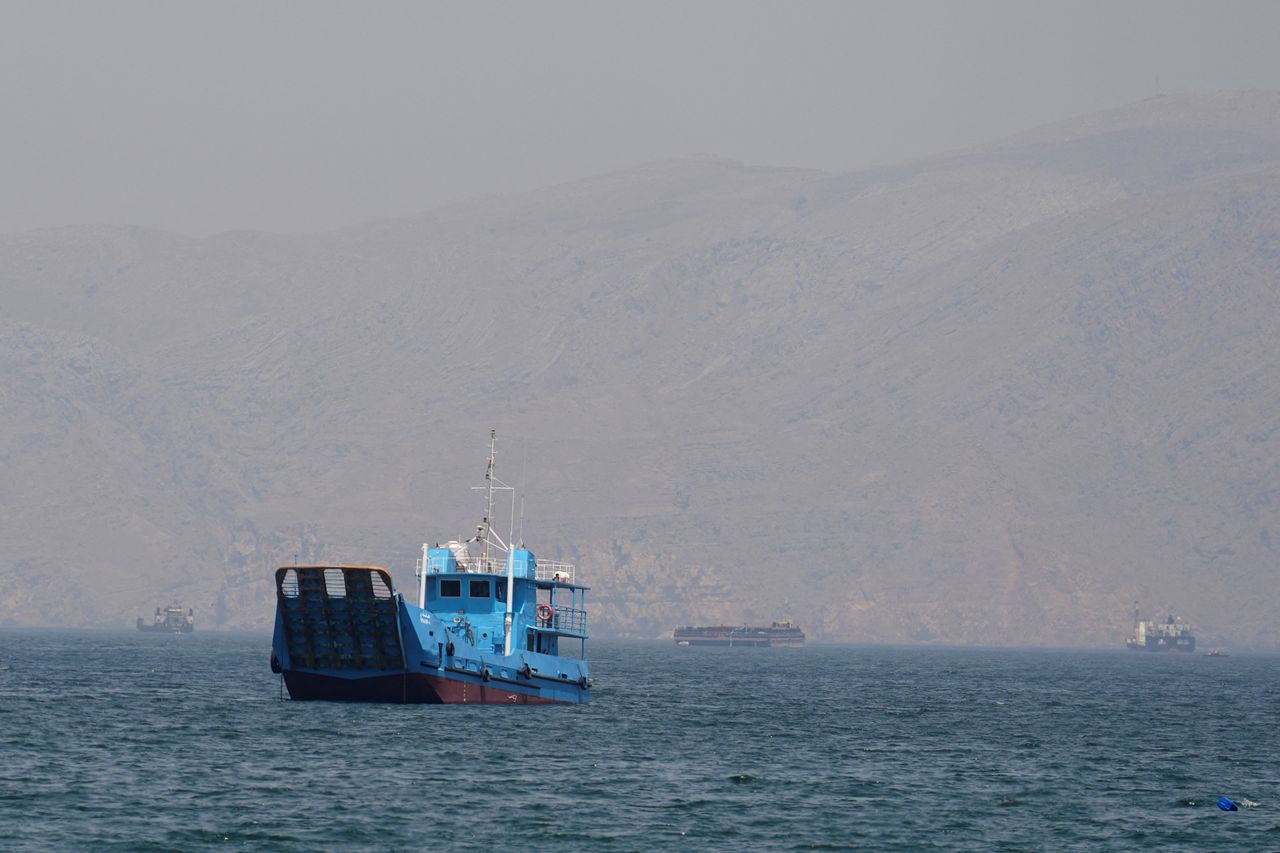
Dominguez stressed that freedom of navigation must be respected and seafarers and merchant vessels “must never become collateral victims of geopolitical tensions.”
The IMO chief said he was mandated to facilitate work aimed at enabling maritime corridors for the safe evacuation of seafarers, should the situation require it.

“This plan is firmly anchored in international law and IMO standards and is intended to be implemented by the relevant countries,” he said, adding that efforts to operationalise it are continuing.
“However, I must be absolutely clear: it is unacceptable that continued disagreements prevent the implementation of this plan, leaving seafarers blocked on board ships for months on end.”
Dominguez said practical solutions exist, but what is missing is “the ability to reach agreement without further delay.”
The IMO previously said nearly 20,000 seafarers were stranded in the region after vessel traffic through the strait came to a near halt following the outbreak of the US-Israel-Iran war.
Dominguez also warned of renewed reports of piracy and armed robbery against ships off Somalia, saying the development is a matter of “growing concern.”
The Maritime Safety Committee’s 111th session, which runs from May 13 to 22, is expected to consider amendments to mandatory instruments, including the SOLAS Convention, as well as work towards finalising the first international Code for Maritime Autonomous Surface Ships.