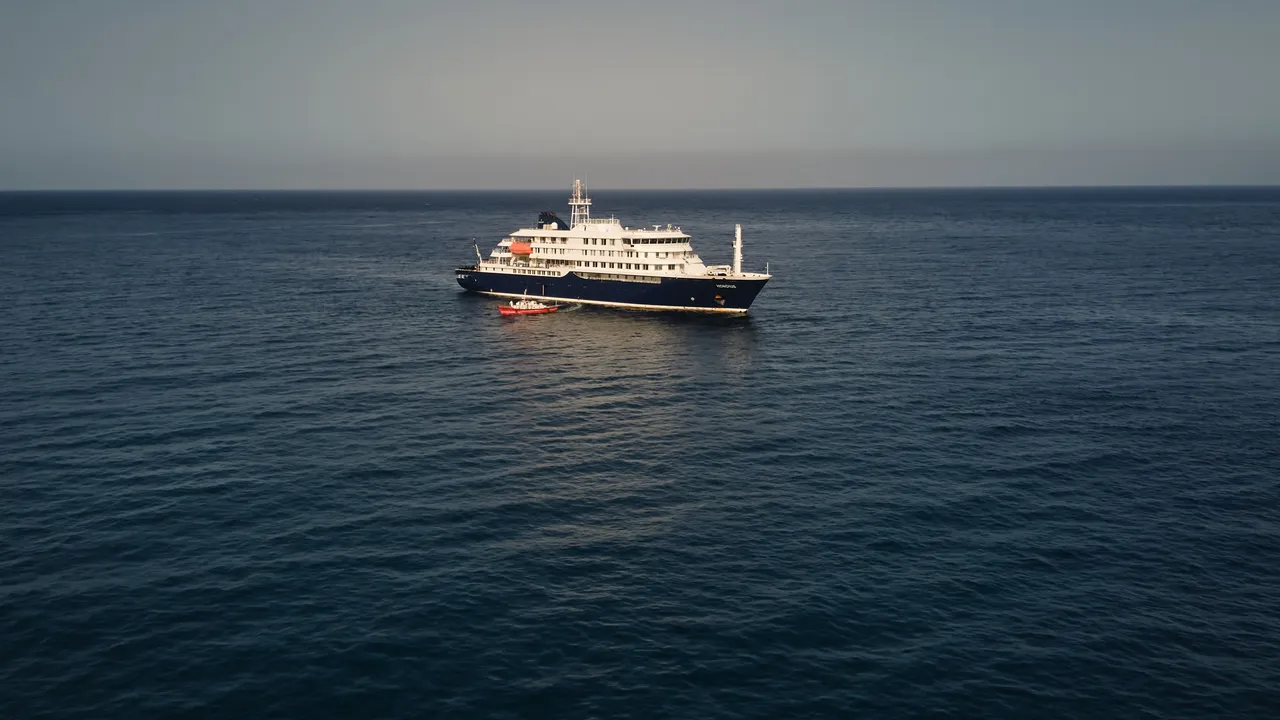
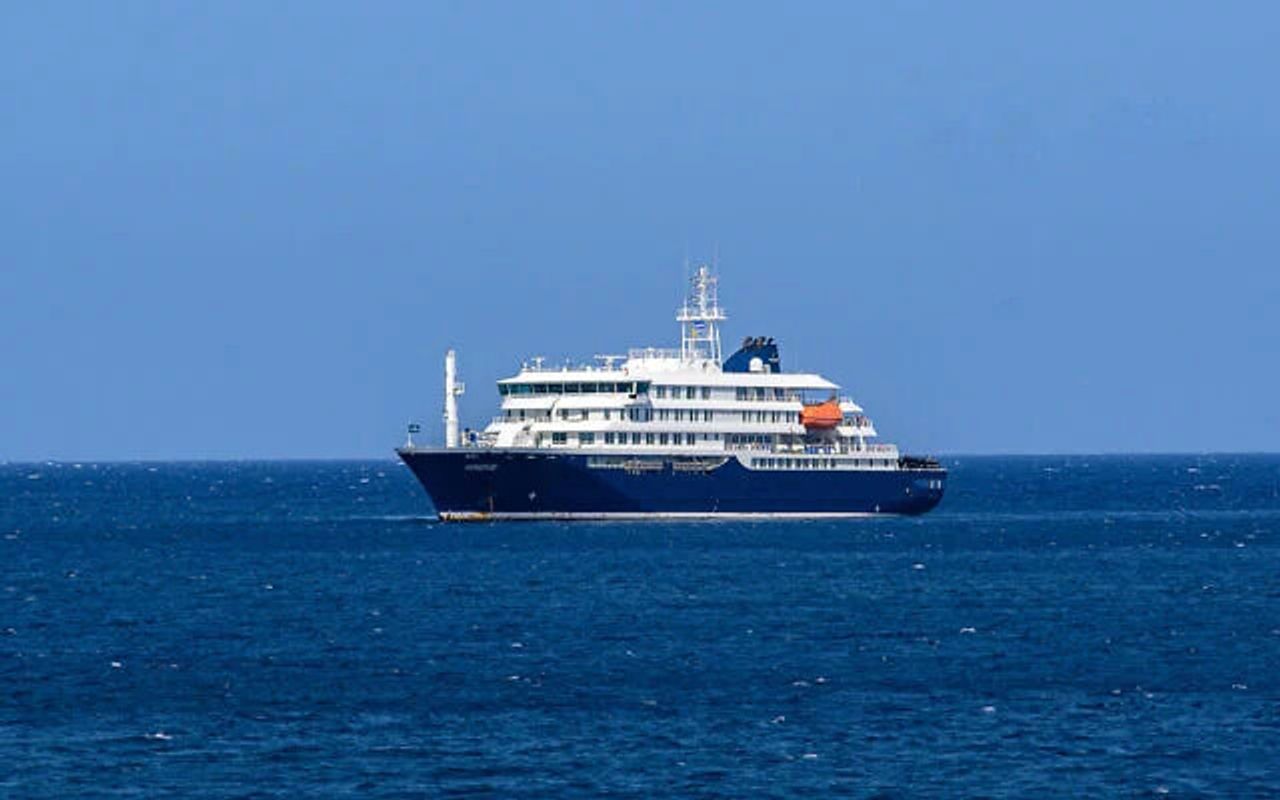
Spain will receive the cruise ship MV Hondius in the Canary Islands after Cape Verde refused entry, ending a standoff over a hantavirus outbreak that has killed three people aboard, according to Spanish state broadcaster TVE on Wednesday.
The Spanish Health Ministry said the decision came following a World Health Organization request, citing Cape Verde’s lack of capacity to carry out medical screening and disembarkation procedures.
The vessel is expected to arrive in the Canary Islands within three to four days, where all passengers and crew will undergo testing before repatriation.
Seven cases have been identified among the 147 passengers and crew, including two laboratory-confirmed infections and five suspected cases. Three people have died, one patient is in intensive care in South Africa and improving, while others remain under observation or are being prepared for evacuation.
The first confirmed cases were a Dutch couple who boarded the ship in Ushuaia, Argentina, on April 1.
The 70-year-old man fell ill on April 6 and died aboard on April 11. His 69-year-old wife left the ship at Saint Helena and died on April 26 in Johannesburg, South Africa, after her condition deteriorated during a flight. Blood tests confirmed she had hantavirus.
The World Health Organization said the outbreak likely began with passengers infected before boarding. Hantavirus has an incubation period of up to six weeks, making it difficult to determine the exact source of infection.
What is hantavirus
Hantavirus is a rare rodent-borne viral infection transmitted through contact with infected rodent urine, droppings or saliva, most often when particles are inhaled in enclosed or poorly ventilated environments.
The virus can cause two serious illnesses: hantavirus pulmonary syndrome, which affects the lungs and can lead to rapid respiratory failure, and hemorrhagic fever with renal syndrome, which affects the kidneys.
Officials said most hantaviruses do not spread between people, with the exception of the Andes virus, a South American strain that can be transmitted through close and prolonged contact such as between family members or caregivers.
Maria Van Kerkhove, WHO’s epidemic preparedness director, said transmission on the ship is believed to have occurred only in such close-contact situations.
She added that authorities have found no evidence of rodents onboard. Sequencing is ongoing, with the Andes virus among the leading possibilities, though the exact strain has not yet been confirmed.
Containment measures underway
Passengers have been confined to their cabins as precautionary measures continue, including isolation, hygiene protocols and medical monitoring. Meals are being delivered to rooms and common areas remain closed, while passengers are allowed limited solo deck walks.







Oceanwide Expeditions, the ship’s operator, said the strict measures will remain in place throughout the voyage.
Three symptomatic individuals will be evacuated from Cape Verde to the Netherlands via specialised medical aircraft before the vessel continues toward the Canary Islands.
The European Centre for Disease Prevention and Control will conduct a comprehensive inspection of the vessel.
What this means for Europe
Health authorities in Europe say the risk to the general population remains very low.
Transmission between casual contacts is considered extremely unlikely, with risk largely confined to close, prolonged contact in confined environments such as a cruise ship.
No secondary cases outside the vessel have been reported as of May 6.
The European Centre for Disease Prevention and Control (ECDC) is monitoring the situation in coordination with national authorities and the World Health Organization, assessing epidemiological data and broader implications for Europe.
ECDC said key questions remain, including the origin of infection, the extent of spread among passengers and crew, and whether any person-to-person transmission has occurred. It added that it will continue to provide updates as more information becomes available.
Health officials, including WHO regional director for Europe Hans Kluge, have stressed there is no need for panic or travel restrictions.