 Sabir Askeroglu
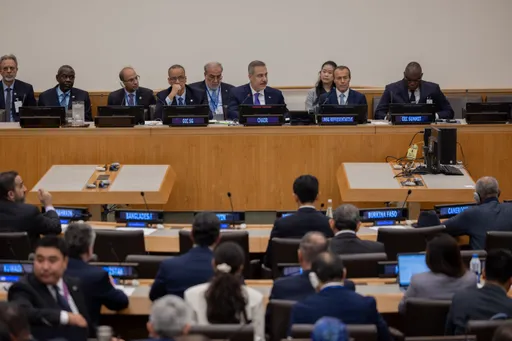
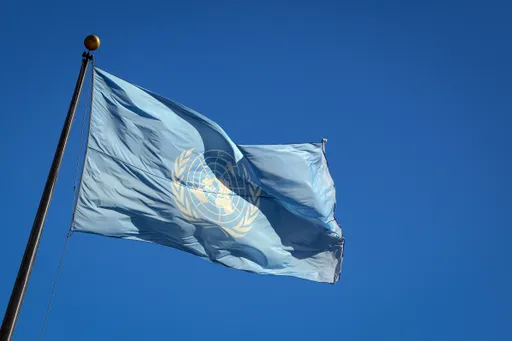
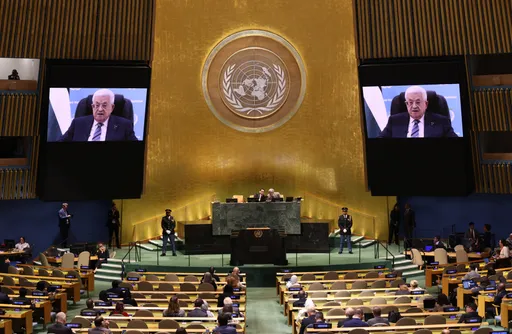
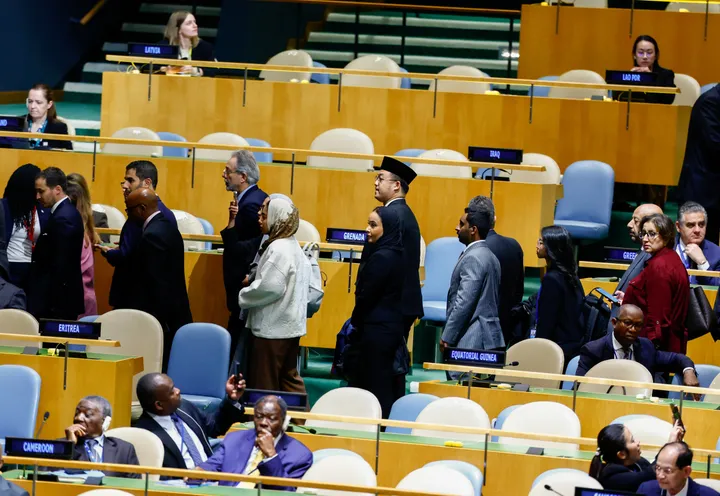
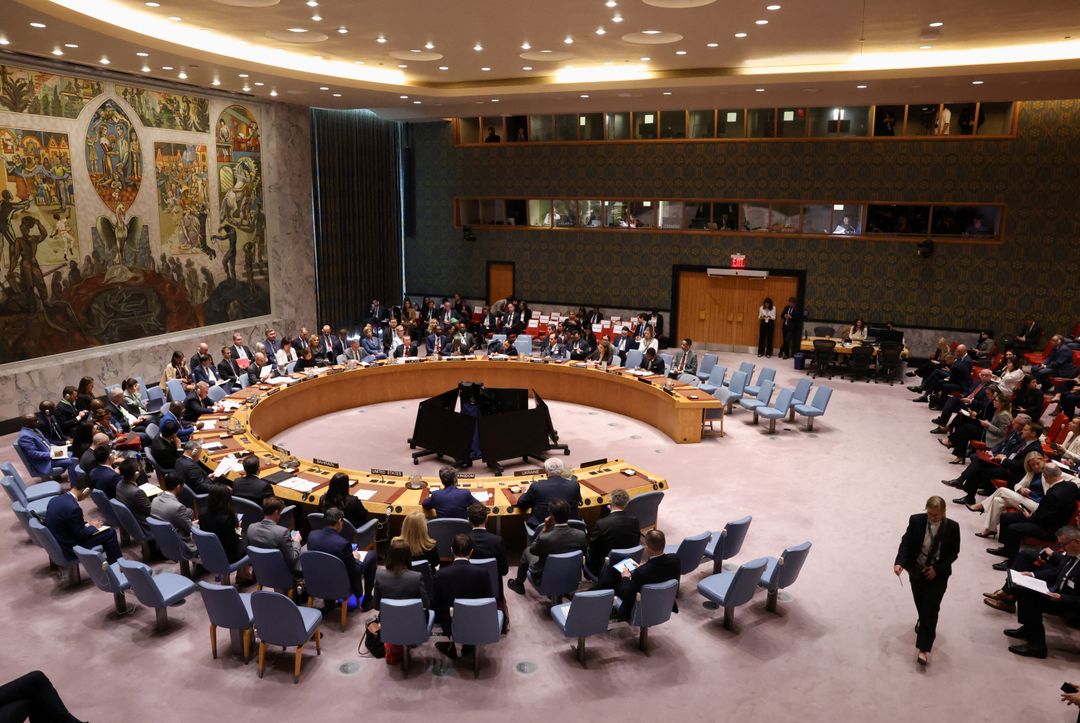
United Nations Secretary-General Antonio Guterres said last week that a serious geopolitical split has paralysed the work of the Security Council.
When superpowers resort to wars that violate international law, he pointed out, they create an atmosphere of impunity and increase the risk that other states will also consider the use of force an acceptable tool of foreign policy.
What he did not say implicitly is that this problem affects the very foundation of the international system formed after World War II.
When the UN was created, the main task was to prevent a recurrence of any global conflict.
The post-war order was built around the idea that major powers had a special responsibility for maintaining international security.
That is why the United States, the then-Soviet Union, Britain, France and China received permanent seats in the Security Council and the right of veto.
This design reflected the balance of power in 1945. However, over the following decades, the international system changed significantly.
The number of independent states grew, new economic and political centres appeared, and international politics ceased to be determined solely by relations between a few major powers.
At the same time, the institutional framework of the Security Council has remained largely unchanged. The capabilities of the permanent members themselves have also changed.
After the collapse of the Soviet Union, Moscow lost much of its former international influence. The US retained its leading position but increasingly had to distribute global costs and responsibilities among allies and partners.
In some cases, Washington has preferred to operate outside UN mechanisms if it sees them as restricting its own freedom of action.
China, by contrast, has significantly increased its economic and political weight, although it continues to adhere to a cautious line in most international crises.
Britain and France have retained permanent membership in the Security Council, even though their current capabilities no longer match the global influence of the mid-20th century.
Thus, the problem is not only in the composition of the Security Council.
The very environment in which it operates has changed: the distribution of economic, military, and political power has become much more complex.
One of the most important changes was the growing independence of regional powers.
The classical model, in which the decisions of the great powers almost automatically determined the behaviour of other states, no longer explains much of international politics.
The largest centres of power still retain a decisive influence, but regional states have gained more room for independent manoeuvre.
They participate in conflict resolution, form regional balances and build relations with several major powers at the same time.
Therefore, the current world order cannot be viewed solely through the rivalry of the US, China, and Russia. It is also necessary to take into account states that have sufficient political, economic and military potential to independently influence international processes.
At the same time, the expansion of the capabilities of regional powers is not accompanied by a comparable change in their position in international institutions.
States can play an important role in conflict prevention and regional security, but they lack permanent representation in bodies that make binding decisions.
It is in this context that Türkiye's approach to UN reform takes on special significance.
‘The world is bigger than five’
Turkish President Recep Tayyip Erdogan's formula, ‘The world is bigger than five’, is usually perceived as a demand to reform the Security Council. However, its content is broader.
It reflects Ankara's position that the ability to influence international decisions should not remain the exclusive privilege of the five states that received special status because of the political reality of 1945.
The Turkish approach calls for a review of the Security Council's representation and decision-making system.
Ankara advocates fairer geographical representation and criticises the existing veto mechanism, which allows one permanent member to block decisions even without the support of most other participants.
It is not just about increasing the number of states represented in the Security Council. The expansion of its membership without changing the decision-making mechanism can preserve the former dependence of international security on the political will of a limited number of powers.
Therefore, the question of reform inevitably affects both representation and the distribution of powers.
It is not so much about the representation of Türkiye itself, but about the principles of the formation of international institutions and the distribution of power between states.
To what extent do global institutions today reflect the real distribution of responsibility for international security? And can states directly involved in crisis management avoid key decisions?
Türkiye's foreign policy of the last 10-15 years allows us to consider these issues with specific examples.
Ankara has become an active participant in diplomatic processes in several regions at once.
It participated in settling crises related to Syria and Libya, made diplomatic efforts in the context of the Russian-Ukrainian conflict, and pioneered in launching the Black Sea Grain Initiative.
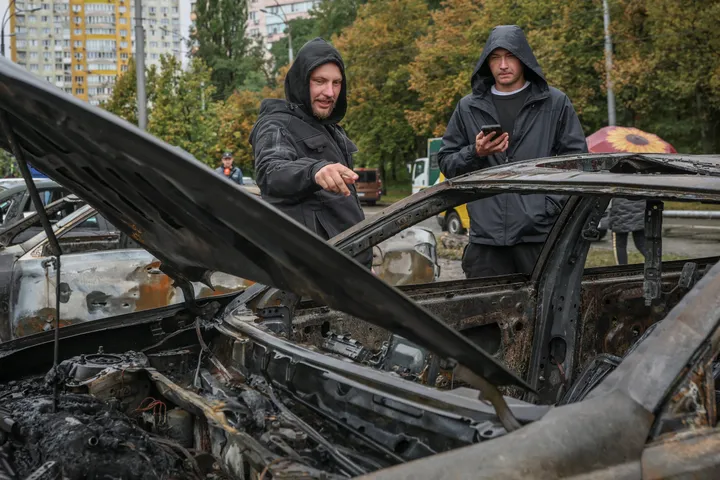
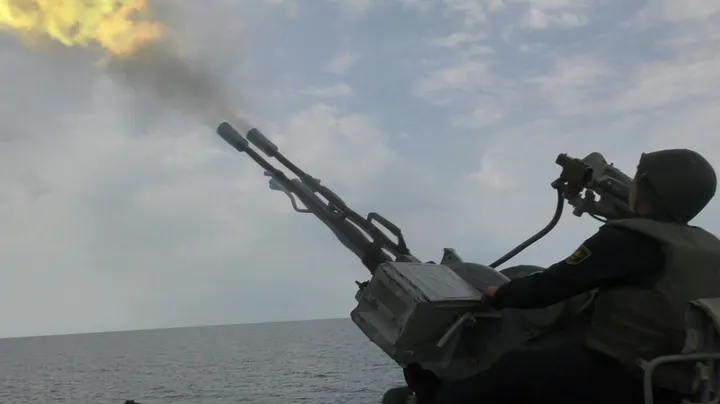
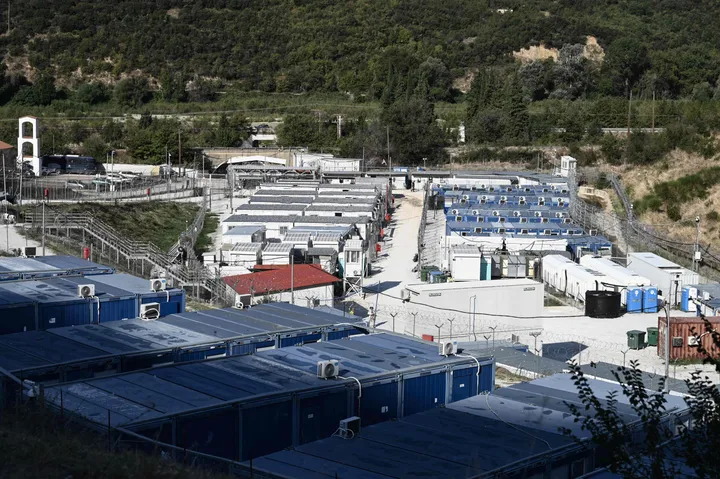
Türkiye also participated in the processes around Karabakh and the Armenian-Azerbaijani dialogue, and took diplomatic steps to limit further escalation in the Middle East.
The significance of these processes lies not only in the expansion of Turkish diplomatic geography. Ankara can simultaneously maintain working relations with various centres of power and use these ties to solve specific regional problems.
The Black Sea Grain Initiative is one example of how a regional power can help solve an international problem while maintaining channels of interaction with the parties to the conflict.
At the same time, the grain initiative has demonstrated both the possibilities and limitations of such diplomacy.
Türkiye, together with the UN, facilitated the creation of a mechanism for exporting Ukrainian grain through the Black Sea, but the agreement's continued functioning depended on the consent of the parties to the conflict.
The Syrian direction demonstrates another feature of Turkish foreign policy. Ankara simultaneously interacts with Russia, the US and regional parties to the conflict, preserving its own regional security interests.
Türkiye acts here both as a mediator and as an independent participant in the processes on which its national security directly depends.
In such situations, regional powers do not just implement the decisions of the largest centres of power; they also help shape the conditions under which those decisions can be implemented, even though their capabilities are limited by the interests of other participants and the differences between them.
At the same time, NATO membership does not limit Turkish foreign policy to the framework of the transatlantic alliance.
The Black Sea region, Eastern Europe, the Caucasus, the Middle East, the Balkans and Turkistan (Central Asia) remain areas where Ankara is developing various forms of political, economic and military-diplomatic interaction.
Through the Organization of Turkic States, Türkiye also participates in the formation of a separate space for cooperation in the Turkic world.
Thus, Türkiye is an example of a state that maintains allied relations with one of the largest centres of power, but at the same time builds its own system of regional ties and foreign policy priorities.
A new geography of power and responsibility
The growing independence of regional powers does not mean that the great powers are losing their importance.
The US, China, Russia and other major centres of power continue to determine the key parameters of world politics. However, the modern international system is no longer reduced exclusively to their rivalry.
At the same time, another process is taking place – the redistribution of responsibility for regional security.
States located directly in the conflict zone are increasingly forced to participate independently in their containment and settlement. At the same time, their actual role does not always correspond to their ability to influence global decisions.
This is where the contradiction between current geopolitical reality and the UN's institutional architecture arises.
The Security Council retains a structure shaped by a few major powers of the mid-twentieth century, while international security increasingly depends on the interaction of a much wider range of states.
Therefore, UN reform cannot be reduced solely to changing the number of seats in the Security Council. It touches on a more fundamental question: to what extent the existing decision-making system reflects the real distribution of power, responsibility, and political influence.
However, this is where the main obstacle to reform arises. Changing the UN Charter requires broad support from the organization's member states, as well as ratification of the amendments by all five permanent members of the Security Council.
Thus, states with special powers in the current system must agree to change the rules that give them that power.
This turns Security Council reform from a matter of institutional structure into a problem of the international balance of power.
Even if a majority of states support greater representation and revised decision-making, implementing these demands depends on the position of powers, which may not want to limit their own advantages.
In such circumstances, the importance of the Turkish initiative is not limited to the possibility of achieving concrete changes in the composition of the Security Council.
The ‘world is bigger than five’ formula allows Ankara to advance the debate on the principles of the international order, seek the support of states that do not have permanent representation in the Security Council, and strengthen its own role in the discussion of global governance reform.
For Türkiye, this means changing state representation in the UN system and recognising the new role of regional powers in international politics.
At the same time, strengthening the role of regional powers does not necessarily mean weakening the largest centres of power.
On the contrary, greater state participation in decision-making can help share responsibility for international security and expand opportunities for diplomatic crisis management.
The key question is whether international institutions can adapt to these changes before the gap between their formal powers and realpolitik widens further.
For Türkiye, the answer lies both in the future of the UN and in its own place in the emerging world order.
(This article was first published on TRT Russian)