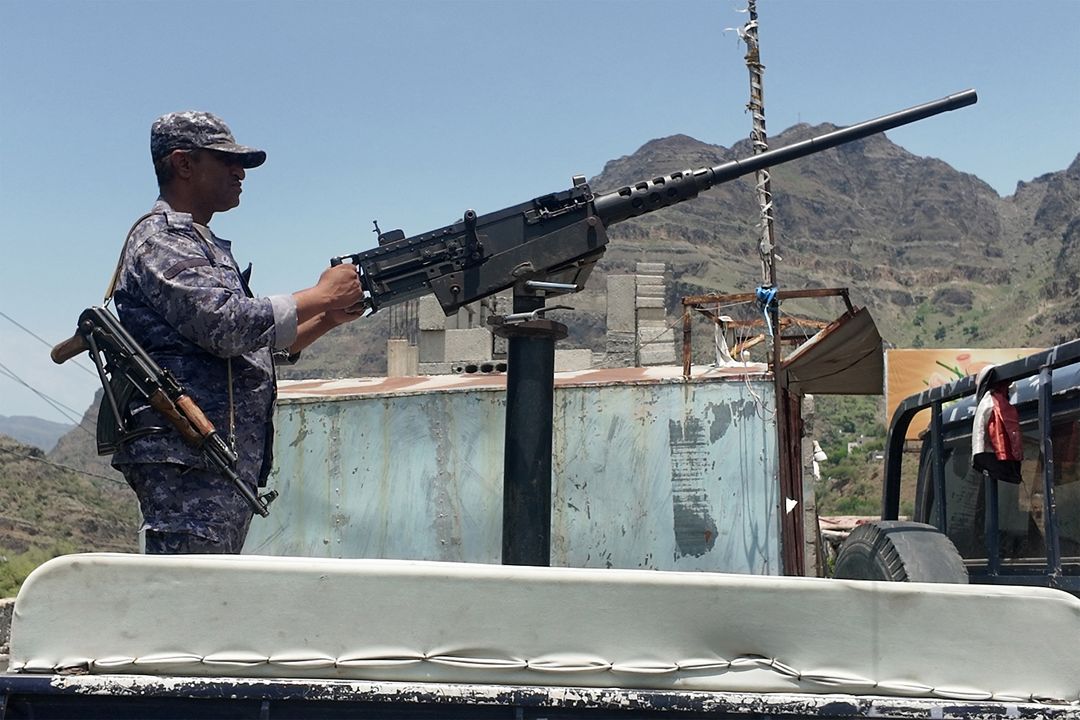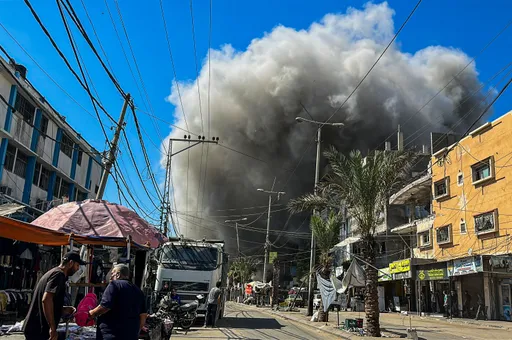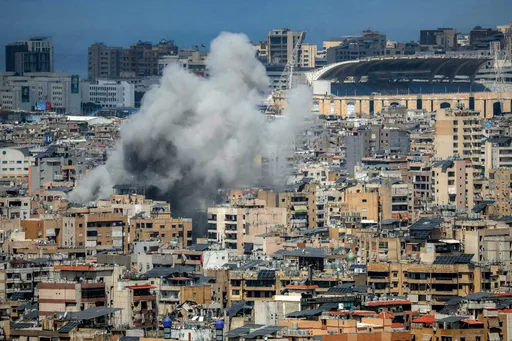
Clashes between Yemeni government forces and the Houthi group are intensifying along the country’s western coast, with air strikes and ground fighting inflicting heavy casualties on both sides and displacing tens of thousands of civilians.
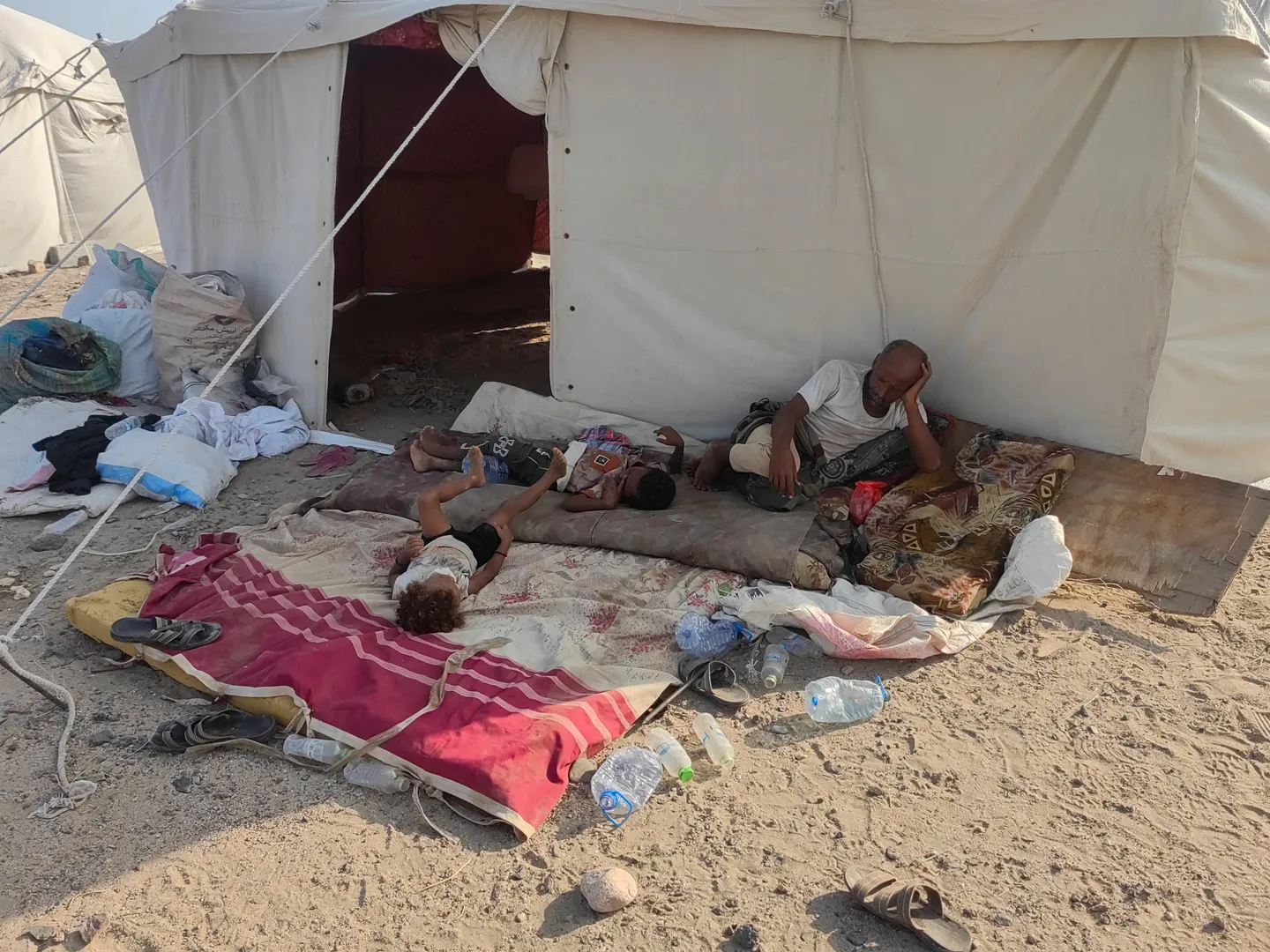
At the same time, the wave of people fleeing western coastal areas has expanded, with the International Organization for Migration (IOM) reporting that more than 82,000 people have been displaced since the beginning of September, including more than 2,000 who have reached Djibouti.
Meanwhile, local authorities in Aden in the south have begun preparations for a new camp to accommodate thousands of displaced people.
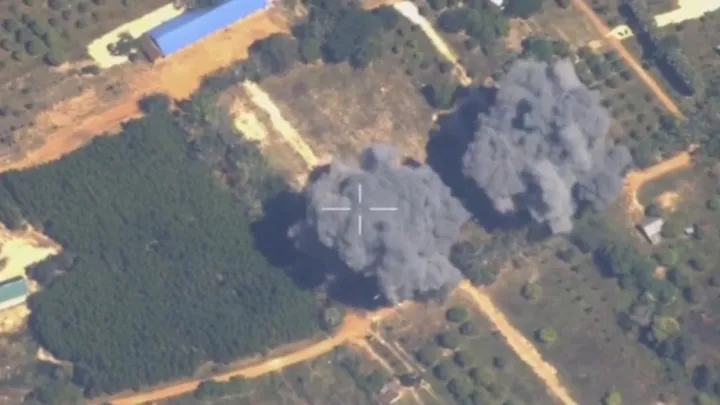
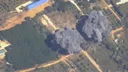
The Yemeni army said that Houthi positions and military equipment were targeted in air strikes in the areas of Mocha and Dhubab in the western part of Taiz governorate.
Armed Forces spokesperson Colonel Majid Al Nazili said in a statement posted on X that Houthi militants had been neutralised in an area described as a “zone of destruction.”
The statements came after the Houthis announced that they had seized the strategically important coastal city of Mocha and its port on the Red Sea as well as several islands, including Mayyun Island in the Bab al Mandab Strait.
Meanwhile, Houthi military spokesperson Yahya Saree said a total of 58 air strikes had been carried out over the past 24 hours in the governorates of Taiz, Lahij, Al Jawf, Hajjah, Al Bayda and Saada.
The government-aligned National Resistance Forces said that 500 of its soldiers had been killed and approximately 1,500 wounded in intense fighting along the western coast between August 9 and September 10.
The group said that more than 1,000 Houthi militants had also been killed, with thousands more wounded.
A new displacement camp






Following the heavy casualties, Yemeni Health Minister Qasim Buhaibeh issued an urgent call for blood donations from citizens to increase the emergency response capacity of medical facilities in the interim capital Aden.
The humanitarian impact of the fighting is worsening by the day.
The International Organization for Migration (IOM) said that more than 82,000 people had been displaced from the governorates of Taiz, Hudaida and Lahij since the beginning of September.
It said that more than 2,000 of those displaced had reached the shores of Djibouti by sea.
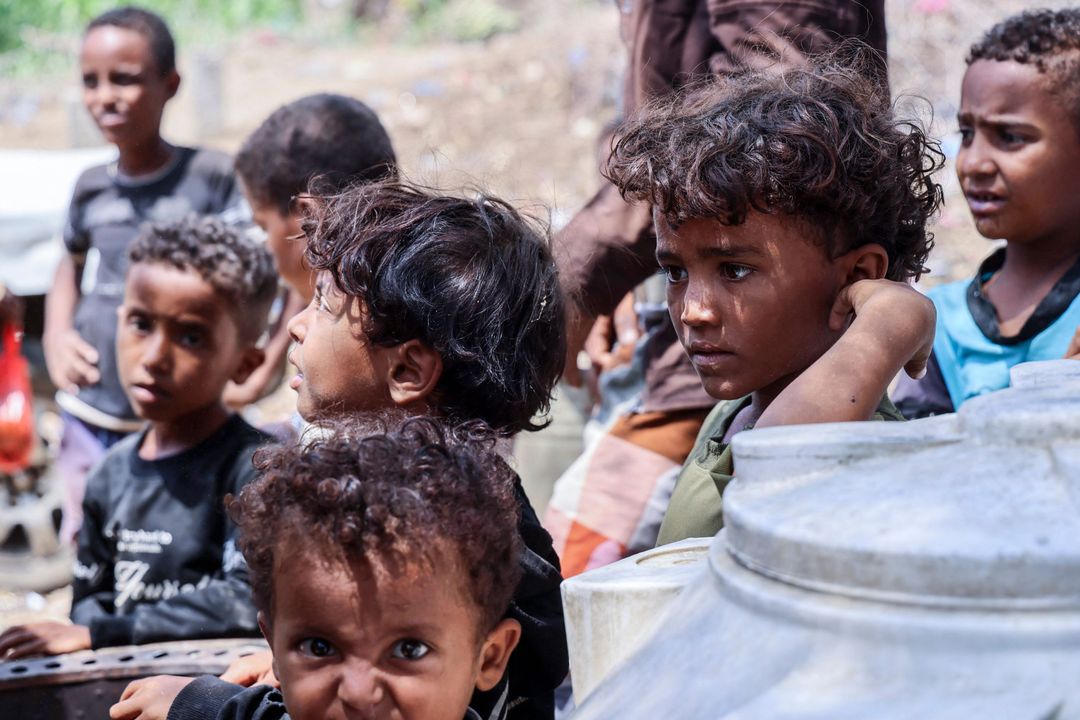
Local authorities in Aden have meanwhile begun setting up a new displacement camp in Al Bureiqa district with a capacity of 3,000 to 5,000 people.
The camp is intended to provide shelter and basic health care services to families fleeing the areas of Mocha, Hays and Al Khawkhah.
Following the military escalation, Yemen’s foreign minister Afrah al Zouba stepped up diplomatic efforts and held a phone call with her Somali counterpart Abdisalam Abdi Ali.
The two discussed developments in the Bab al Mandab Strait and the Red Sea, as well as threats to the security of international maritime navigation.
The Somali side reiterated its support for the preservation of Yemen’s sovereignty and regional security.