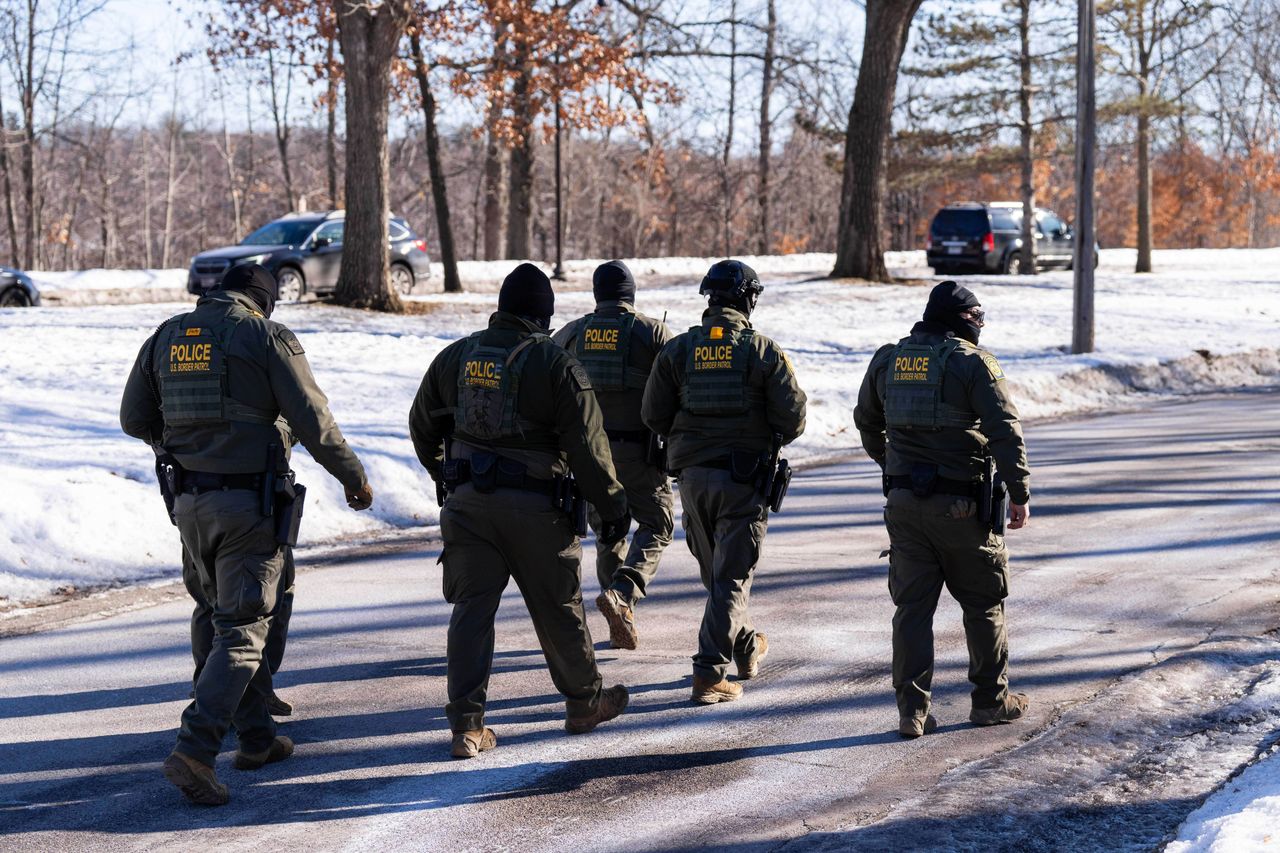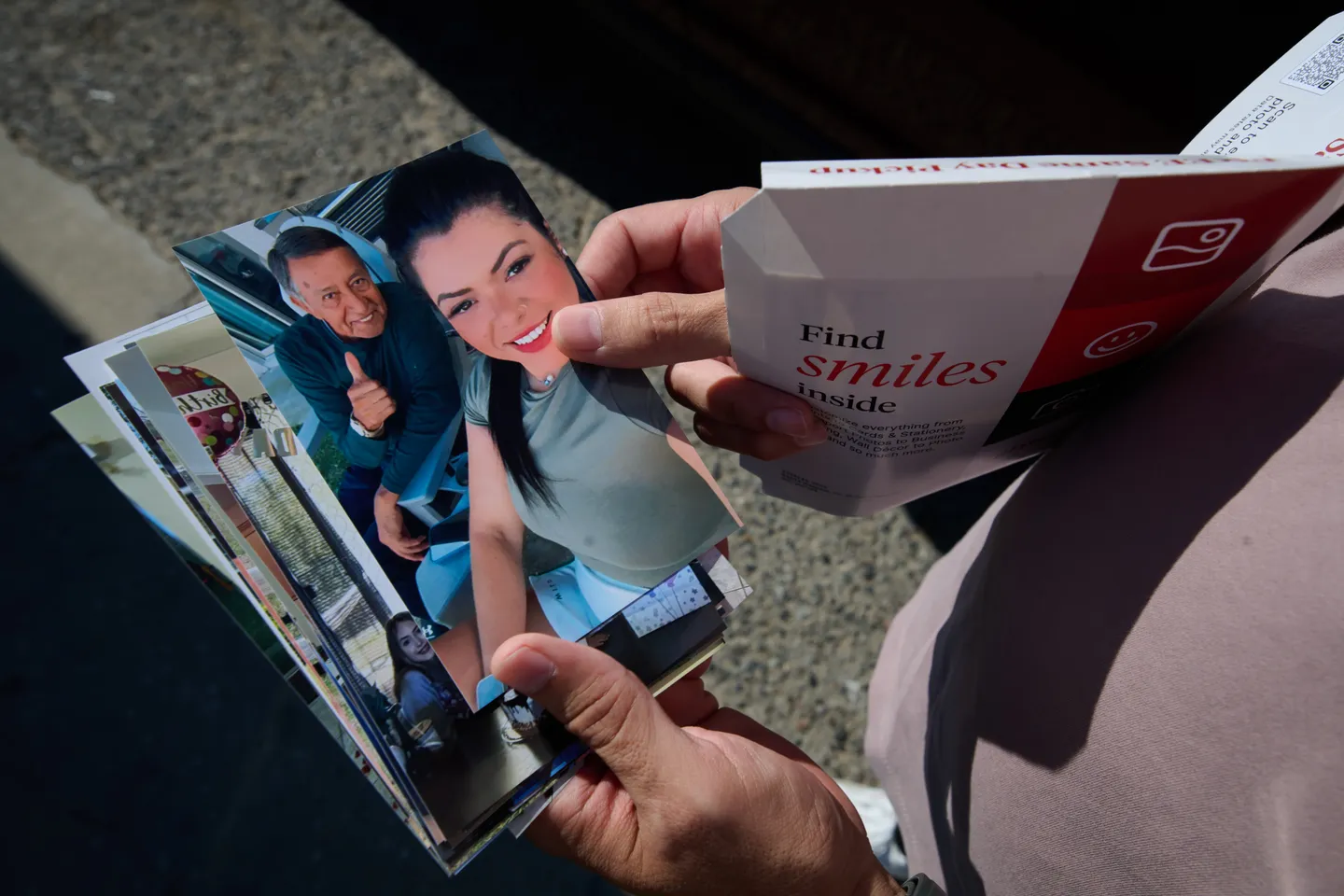
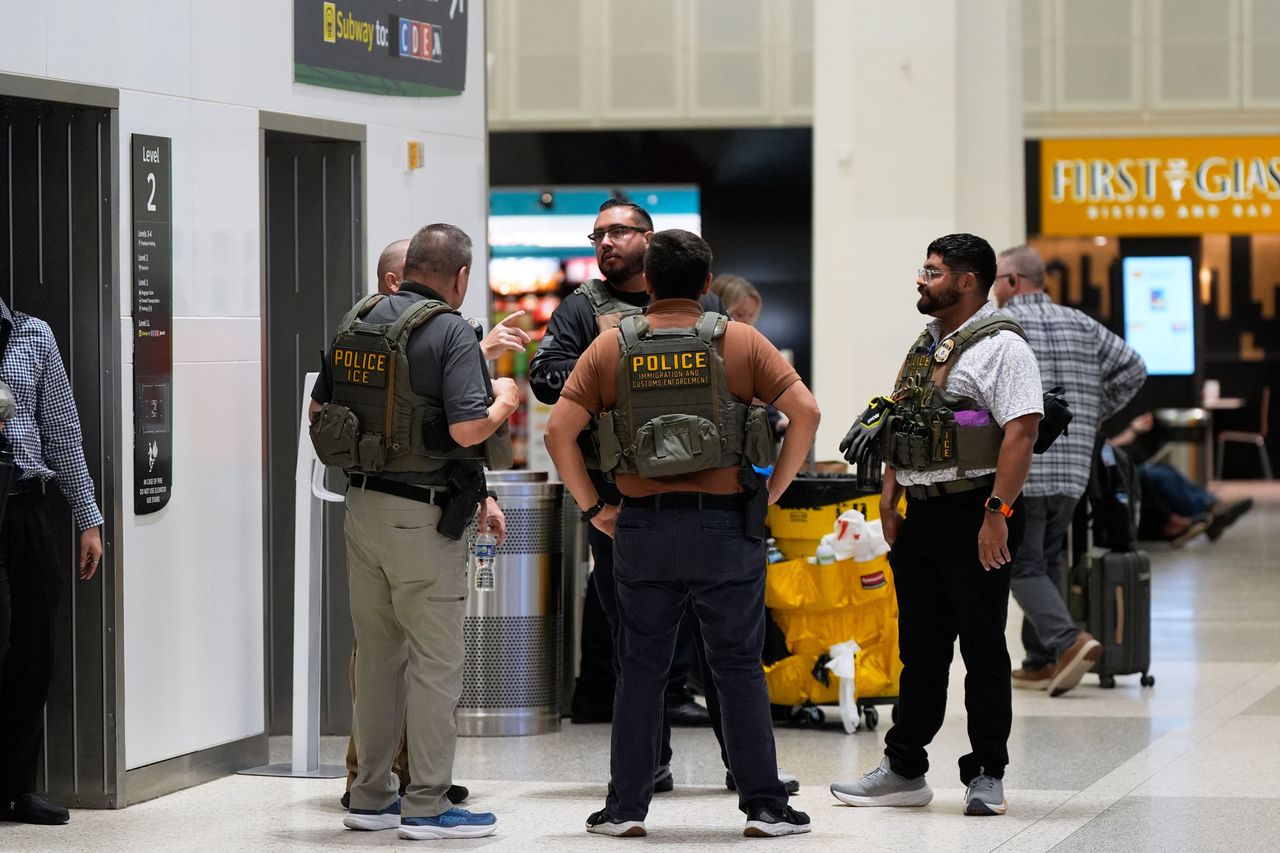
More than 50 parents and spouses of active-duty US service members have been detained since President Donald Trump's second term began, according to an Associated Press investigation.
The investigation found at least six immediate family members have been deported, while at least eight remain in federal immigration custody. The Department of Homeland Security (DHS) does not officially track such cases, meaning the true number could be significantly higher.
For decades, immediate relatives of active-duty troops have generally been protected from deportation under policies supported by both major political parties. However, the AP found many are now being detained for months while attempting to legalise their immigration status through programmes specifically available to military families.
Legal experts and service members warn the policy shift is delaying deployments and leaving troops without childcare.
"How can I even focus on my military career because I have to worry about how my wife is doing?" Army Sgt. Hedar Leonel Turcios Juarez said after his wife was detained outside a Walmart in Texas in front of their six-year-old daughter.
Several detentions have sparked public criticism and prompted intervention by senior officials to secure the release of some military spouses.
The AP compiled its findings through thousands of federal court records, media reports and interviews with attorneys and affected families.
DHS said military service alone does not provide lawful immigration status or exempt people from immigration enforcement. It added that several of those identified had previous removal orders, prior deportations or criminal convictions.
The Pentagon declined to comment.
Families under strain
Air Force Tech Sgt. Wendy Gbeve said her father, Luis Alberto Ramirez Zavala, was detained during what was expected to be a routine immigration interview in Missouri before being transferred to Texas and deported to Mexico about two weeks later.
She said immigration authorities never explained why her father's removal happened so quickly.
Ramirez Zavala's wife, a legal permanent resident, is considering returning to Mexico to reunite with him. Gbeve said that would leave nobody to care for her two young children if both she and her husband, who also serves in the Air Force, were deployed.
"That would be our entire safety net," she said.
Other service members say they have been forced to take leave or postpone deployments after relatives were detained.
Army Staff Sgt. Alexis Jaramillo, an aviation operations specialist, has been caring alone for his five-year-old stepson after his Brazilian wife, Maisa Lopes Eliaser, was detained during what the family believed was a routine immigration appointment. The couple were attempting to adjust her immigration status after she entered US on a tourist visa in 2019.
"It is really overwhelming because I need to take care of my kid by myself. No one is here to help me out," Jaramillo said.
Court records reviewed by the AP also describe an active-duty soldier who postponed an imminent deployment after her husband was detained, leaving nobody to care for their young son. A judge later ordered his release.
Policy shift questioned

Military immigration specialists describe the current approach as a sharp departure from previous administrations, including Trump's first term.
A policy introduced in April 2025 states that military service does not exempt relatives from immigration laws.
Dan Gividen, a former ICE deputy chief counsel who served between 2016 and 2019, said immediate relatives of service members were previously detained only in exceptional circumstances, such as serious violent offences.
"We would not place them into removal proceedings, period," he said.
Retired Army Reserve lieutenant colonel and immigration attorney Margaret Stock said previous administrations generally allowed military families to resolve their immigration status because it enabled troops to remain focused on their duties.
Even some Republican lawmakers have called for the release of detained relatives of service members, arguing military families deserve greater protection.
DHS figures released to Democratic senators showed immigration authorities detained 125 military veterans and more than 150 immediate family members between January 2025 and January 2026.
Benefits still promoted
Military recruiters continue promoting immigration benefits for families despite the increase in detentions.
One of the programmes, military parole-in-place, allows eligible spouses, parents and children of service members and veterans to seek legal status without leaving the US.
Introduced under President George W. Bush in 2007 and later formalised during Barack Obama's administration, the programme remains available on a case-by-case basis. However, US Citizenship and Immigration Services data show average processing time has more than doubled to around 12 months, leaving applicants exposed to possible detention while waiting.
The AP documented multiple cases in which relatives were detained during appointments related to parole-in-place or other immigration applications.
Marine Cpl. Jose Manuel Vilchis-Valle's mother was deported within a week of attending an immigration appointment despite living in the US since the 1990s.
"They basically told me that if you serve, and if you served honourably, you can help your parents," he said.
Although the Marine Corps stopped promoting enlistment as a pathway to protect immigrant relatives in 2025, the Army and National Guard continue highlighting immigration benefits during recruitment campaigns.
For Army Specialist Romero Ralios, whose father was detained after nearly two decades in the US, the experience has been deeply personal.
After spending nine months supporting border operations, he now questions that role.
"It was karma. I should've known," he said. "All those families I broke. I have regrets."