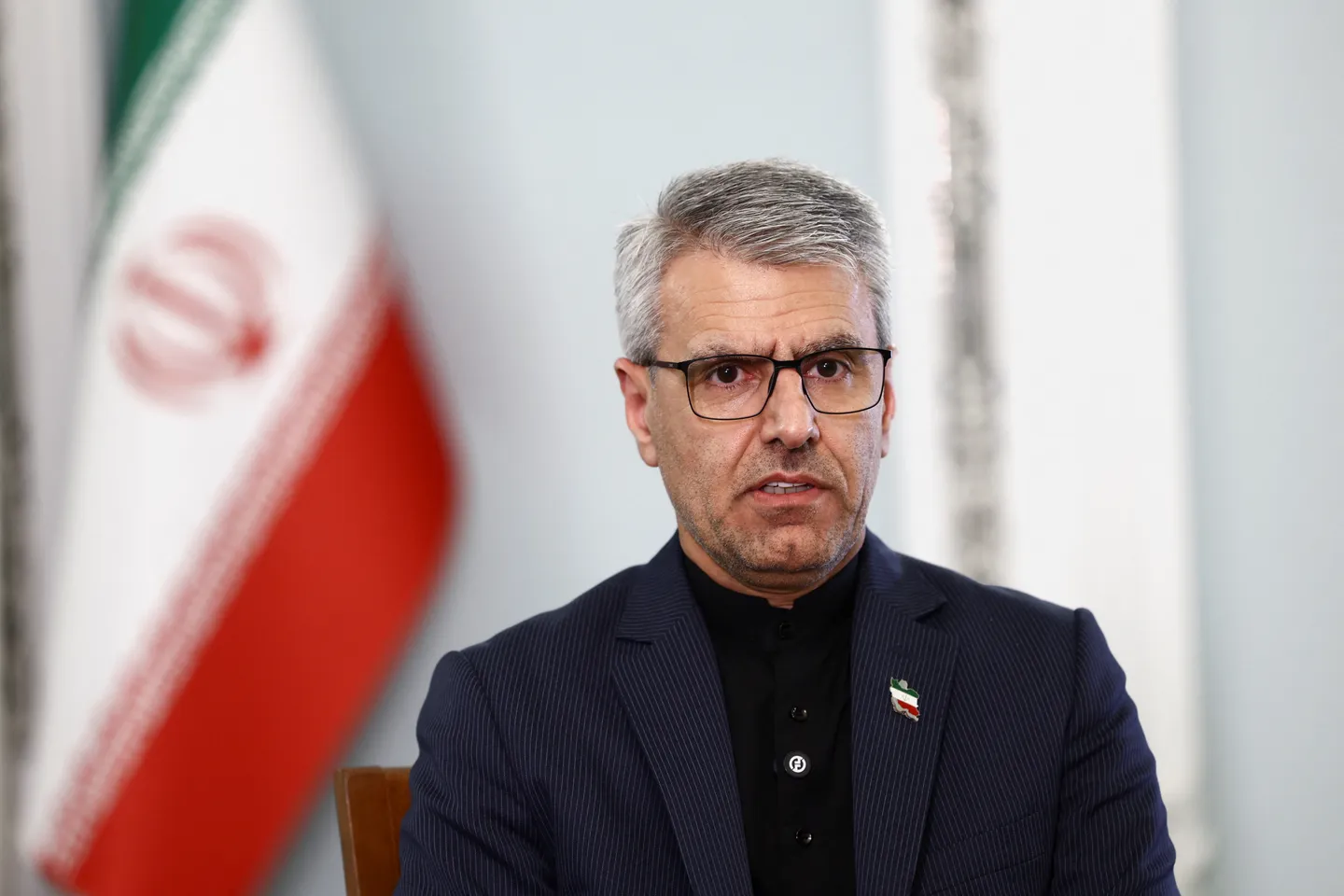
Additional US sanctions imposed on Iran will not yield results, Iranian Foreign Ministry spokesperson Esmaeil Baqaei has said, stressing such measures had already “failed” to achieve their objectives.
“Washington’s persistence in failed methods has no result other than proving America’s hatred for the Iranian people, because they know very well that the direct consequences of these sanctions are on ordinary citizens,” Baqaei told reporters on Monday at a weekly press briefing, according to Iran’s semi-official Tasnim news agency.
He said sanctions and the “intimidation” of other countries aimed at limiting trade relations violated the principles of free trade and respect for national sovereignty.
“This illegal practice is a wake-up call for the international community, as America’s excesses and violations of the law in international relations have even provoked protests from its close allies,” he added.
Noting that Tehran had heard reports that a number of US KC-135 tanker aircraft had departed Bulgaria, Baqaei said Sofia’s apparent “support” for US and Israeli strikes on Iran was “contrary to international law”.
“We have no problem with the Bulgarian people,” he said. “However, this (the aircraft departures) was viewed as a form of support for the US and Israel’s military aggression against Iran.”
“There is no reason for any country to be concerned about us,” Baqaei said. “However, the situation is different for countries that make their bases, facilities and equipment available for the unlawful actions of aggressor parties.”
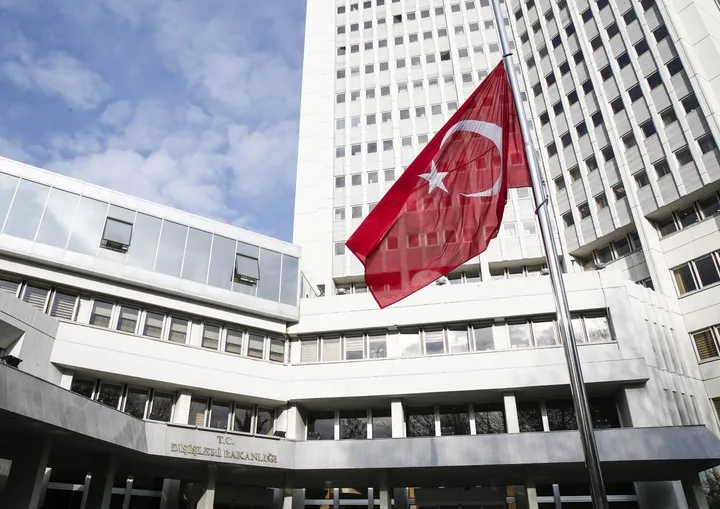


Regarding reports that Tehran had been invited to join the Mecca defence pact, Baqaei said Iran had not been asked to join, but that “proposals have been made for talks with these countries on regional security”.
The Mecca agreement was signed in early August by Türkiye, Saudi Arabia and Pakistan to strengthen collective security and defence cooperation and promote regional stability.
Tensions in the Middle East have escalated since the US and Israel began joint strikes on Iran in late February, triggering retaliatory attacks by Tehran on regional countries hosting US assets.
The US and Iran signed a memorandum of understanding on June 17 and opened negotiations towards a final agreement.
The talks, however, later stalled over disagreements on security guarantees and freedom of navigation through the Strait of Hormuz, a strategic maritime corridor for global trade and energy supplies.
Last month, the US and Iran exchanged military strikes, with Washington attacking targets inside Iran and Tehran responding by striking US military facilities and equipment in several Arab countries, including Jordan, Bahrain and Kuwait.