 Sadiq S Bhat
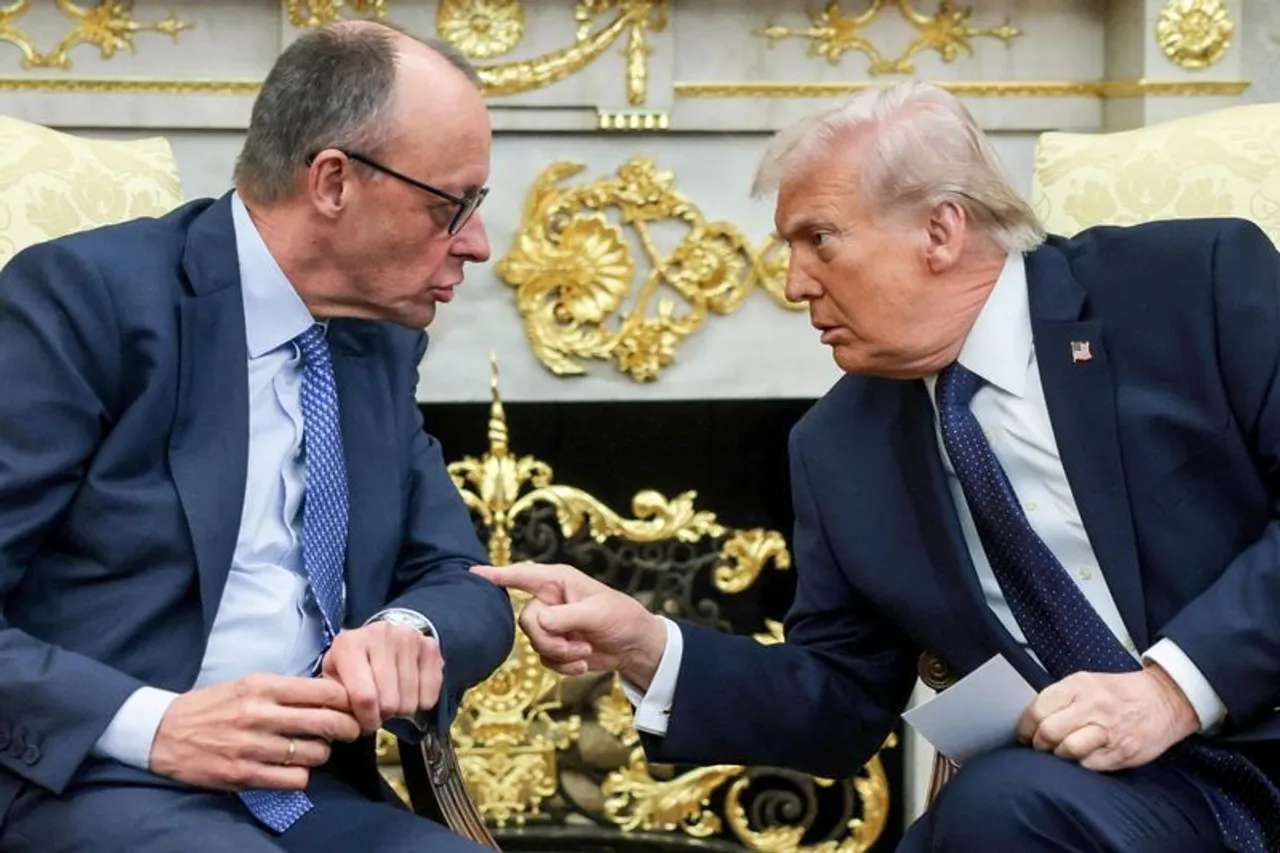
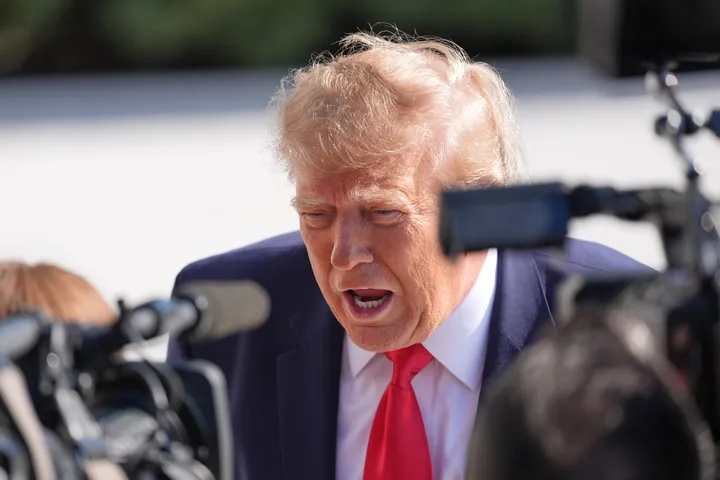
Washington, DC — German Chancellor Friedrich Merz has met with US President Donald Trump at the White House amid an intensifying US-Israel military campaign against Iran.
The bilateral meeting in the Oval Office on Tuesday marks his first visit to Washington since the US-Israeli strikes began on February 28, 2026, which led to the assassination of Iran's Supreme Leader Ali Khamenei and bombing across other facilities.
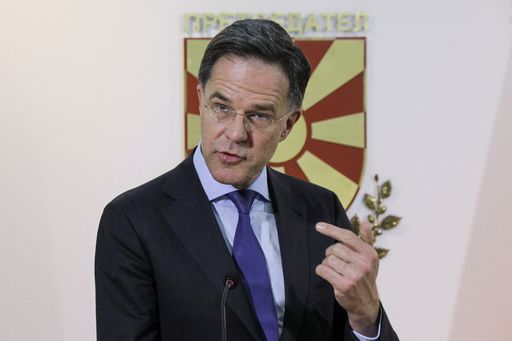
"This (war on Iran) is, of course, damaging our economies. This is true for the oil prices, and this is true for the gas prices as well," Merz told reporters.
"So that's the reason why we all hope that this war will come to an end as soon as possible," Merz said.
He told reporters that Germany supports US-Israeli strikes on Iran, and he is keen to discuss plans for the day after the war in Iran with Trump.
Originally slated to prioritise trade tariffs and transatlantic relations, the agenda has pivoted to the Iran crisis, with Merz fresh from a trip to China and facing pressure to clarify Germany's stance.
Merz has signalled a pragmatic tone. In remarks on March 1, he stated, "We recognise the dilemma," acknowledging failed diplomatic efforts to curb Iran's nuclear ambitions and domestic oppression.
However, experts indicate he will push to leverage the discussions to probe Trump's "end game" for Iran, as noted by Julianne Smith, former US ambassador to NATO under President Joe Biden. "So, if nothing else, it can be a fact-finding mission to try to determine, 'Do you guys have a plan for the day after?'"
Seeking assurances
On Ukraine, Merz is expected to seek assurances amid ongoing Russian aggression, building on Germany's increased defence spending, now above NATO's 2 percent GDP target, and its role as a key supporter.
This could include pushing for sustained US military aid, especially as Europe adapts to transatlantic shifts, evidenced by Germany and France's recent announcement to deepen nuclear deterrence cooperation.
German politicians spent the weekend trying to make sense of the rapidly shifting situation in the Middle East. Senior figures in the conservative-led government called for restraint in judging the strikes carried out by Israel and the United States on Iran.
While Berlin had long expected that Trump might take action against Tehran’s leadership, the scale and timing of the move appeared to catch many off guard. Like observers elsewhere, German politicians reacted with visible surprise.
On Sunday, Merz gave a short statement to reporters. His spokesman, Stefan Kornelius, said Merz had been briefed about the military operation and had spoken by telephone on Saturday with Israeli Prime Minister Benjamin Netanyahu.
The central question, whether Germany will join the US-Israel strikes against Iran, remains unresolved.


While Germany has provided logistical support as a US hub and issued evacuation advisories for its citizens in Iran, full involvement would mark a departure from Berlin's post-Second World War military restraint.
Recent indicators include Germany's alignment with a March 1 joint statement from France, Germany, and the UK, the E3, which condemned Iran's "indiscriminate and disproportionate missile attacks" and opened the door to "necessary and proportionate defensive action to destroy Iran’s capability to fire missiles and drones at their source."
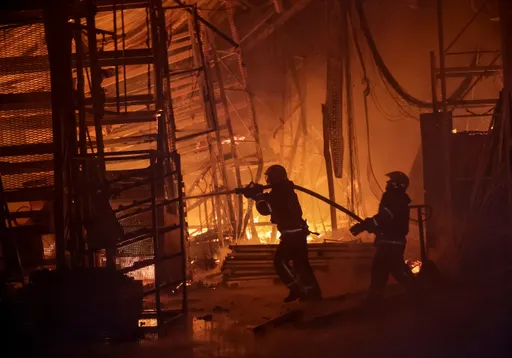
Broader implications include disrupted global shipping, for example blocked oil lanes, chaotic air travel, and market volatility, with European natural gas prices spiking.
But that will require delicate diplomacy given European concerns over the legality of the Iran strikes under international law, and deep worries over Trump's threat to pile fresh tariffs on global goods.

Aftermath of Iran attacks
Merz was the first European leader to visit Washington in the aftermath of the Iran attacks, which have blocked one of the world's key oil shipping lanes and thrown global air transport into chaos, and the Supreme Court's ruling on February 20 that Trump's emergency tariffs are illegal.
Germany’s economy has been shaken by the Iran war, with rising energy prices already visible on the markets, according to Economy Minister Katherina Reiche.
Speaking at her ministry’s annual policy conference in Halle, she warned that the conflict in the Middle East could push up costs further, with consequences for the wider German economy.
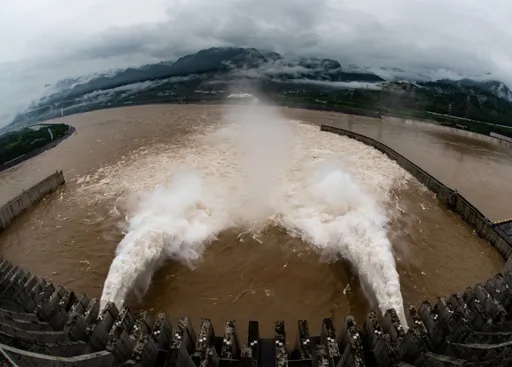
She pointed to tensions in the Strait of Hormuz, a key global route for oil and gas shipments, as a central concern. Several shipping companies have suspended operations there amid the US-Israeli war with Iran.
Reiche added that the German government has reactivated the task force set up during the gas shortage at the start of Russia’s war against Ukraine.
Pertinently, Merz has at times pushed back against Trump, especially over Ukraine, and often insists that Europe must become more sovereign in times of geopolitical upheaval.
At February's Munich Security Conference, Merz noted the "deep rift" between the traditional allies and urged America to "repair and revive transatlantic trust together".