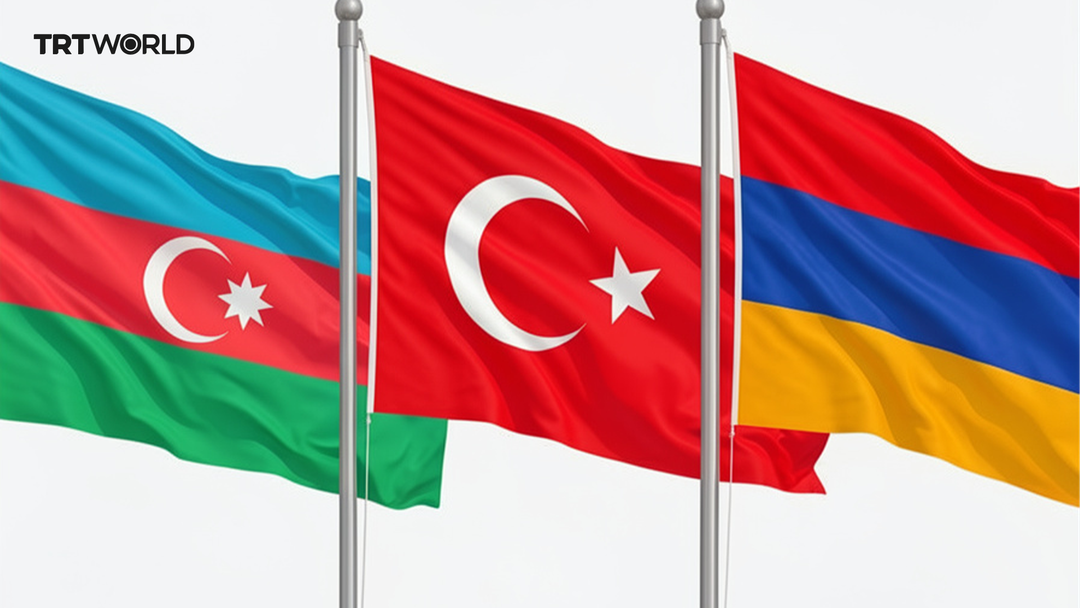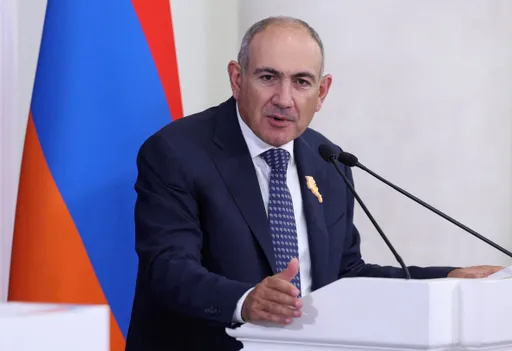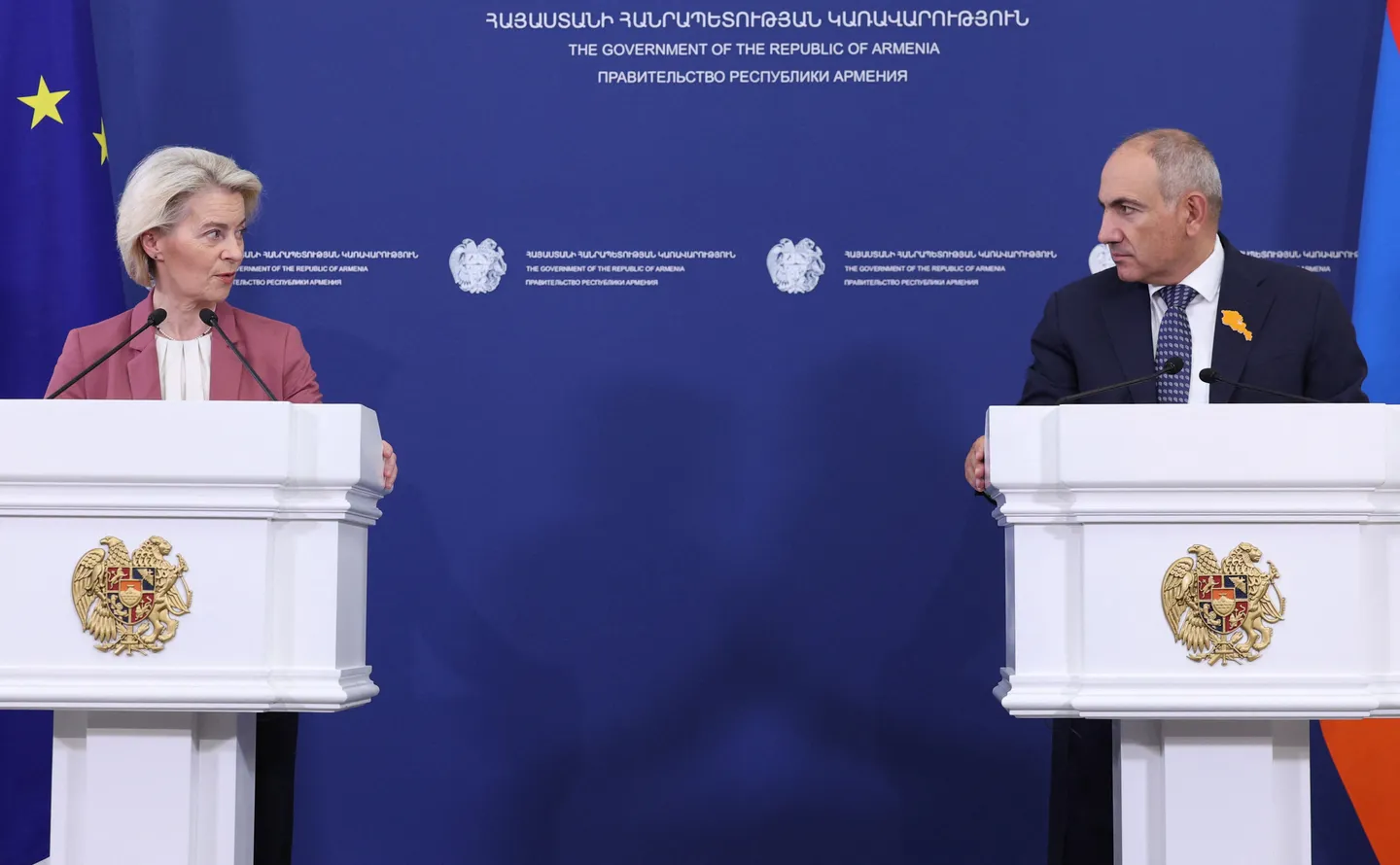
Armenian Prime Minister Nikol Pashinyan has called for expanding energy connectivity with neighbouring Türkiye and Azerbaijan, saying deeper regional integration could strengthen energy security and support the green transition.
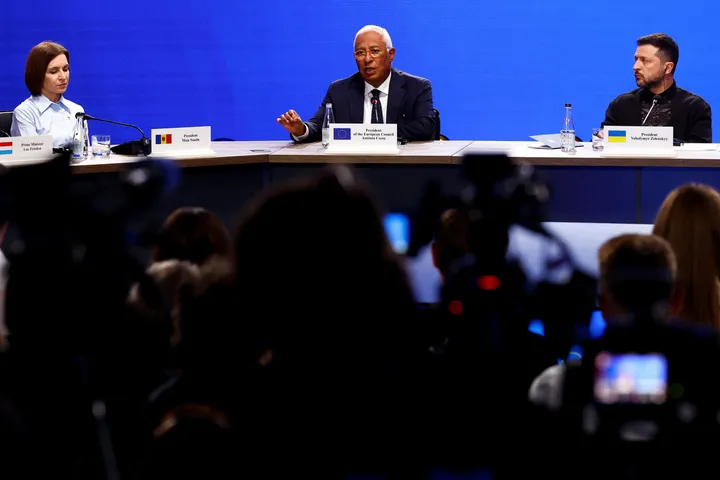
Speaking alongside European Commission President Ursula von der Leyen at a news conference in Yerevan on Thursday, Pashinyan said Armenia also wanted to participate in the Black Sea submarine electricity cable project and deepen cooperation with the EU in digitalisation.
"I consider it important to expand energy interconnectivity, including the construction of power transmission lines and interconnectivity with neighbouring Türkiye and Azerbaijan, which can contribute both to energy security and to the green transition," he said.
Von der Leyen arrived in Armenia as part of a regional tour that also included a visit to Azerbaijan, where she held talks with President Ilham Aliyev.
Pashinyan described the EU as "one of Armenia's most trusted partners" and said the two sides had discussed ways to help diversify Armenia's economy, trade, and exports.
He thanked the EU for providing $61 million in budget support and expressed hope that Brussels would continue assisting Armenia's efforts to diversify its trade and export markets.


The Armenian prime minister ruled out any abrupt reversal of the country's efforts to deepen ties with the EU, citing Armenia's 2013 decision to abandon plans to sign an Association Agreement and instead join the Eurasian Economic Union.
"Yes, I exclude it. It is impossible," Pashinyan said when asked whether a similar policy reversal could happen again.
Pashinyan said he hoped Armenia would secure visa-free travel with the EU by 2029.
"A lot depends on us, and in many cases we should be asking ourselves these questions, not the EU," he said.
Commenting on his phone conversation earlier this week with Russian Prime Minister Mikhail Mishustin, Pashinyan said the call had taken place at his initiative and that the two officials had agreed to hold more detailed discussions on bilateral issues in the near future.