UEFA has criticised a reported plan by FIFA President Gianni Infantino to sell stakes in the FIFA World Cup to private investors, saying football's governance is "not FIFA's to sell."
The Times newspaper reported on Tuesday that Infantino was planning to sell stakes in the tournament to private investors. The report said he had held talks with investors and warned the move could have a "devastating" impact on football.
According to the report, each of FIFA's 211 member associations would likely receive a stake worth about $20 million. The associations would be able to keep the stake or sell it to generate income.
The report also cited sources as saying that Infantino was preparing to lead the company as commissioner after his final term as FIFA president. It said he was expected to be re-elected unopposed through 2031.
In a statement, UEFA said the reported plan crossed "a line that football's governing institutions should never cross."
"UEFA takes it extremely seriously. So should every National Football Association. So should every stakeholder: leagues, clubs, players, supporters, governments and everyone who cares about the future of the game," the organisation said.
"The soul and governance of football are not assets to trade – especially with zero transparency as to who gains financially. None of us are the owners of football. It is not FIFA's to sell."
'Football doesn't belong to investors'
The plan would still have to be approved by the 38-member FIFA council and the majority of the MAs. FIFA said it intends to present the plans to the council soon.
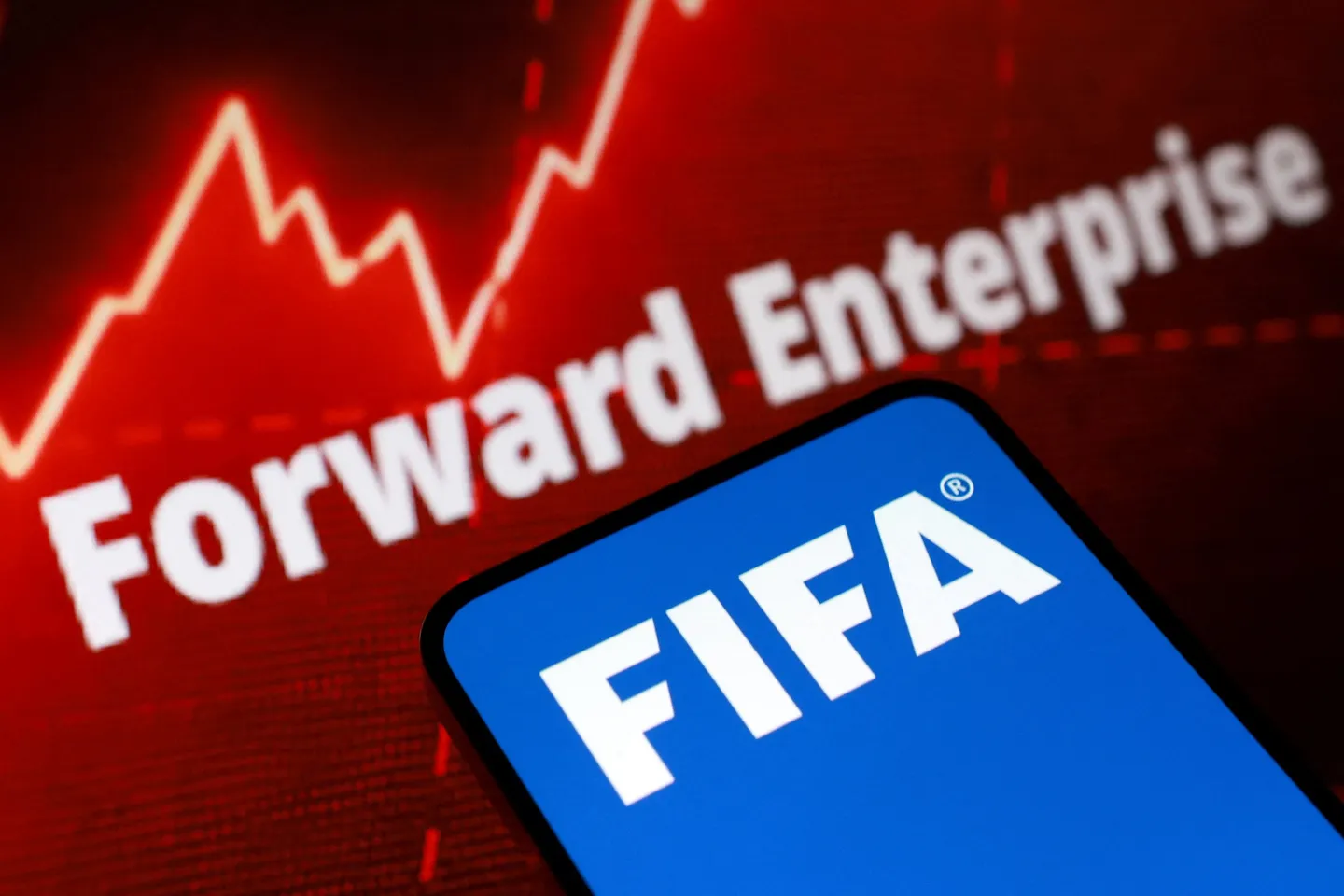
FIFA said in its statement that it "would retain sole control of FFE (FIFA Forward Enterprise) and exclusive authority over football governance, competitions, match calendar, and all regulatory and sporting decisions".
It said it believed FFE would achieve an "initial equity valuation of $20bn".
FIFA said each of its 211 member associations (MAs) would be given the chance to take a one-off stake of 20mn dollars in FFE.
That represents only 0.1 percent of the total, but would be a significant sum for the leaderships of FIFA's poorer or smaller members.
"Together with other existing FIFA programmes, these investments could bring FIFA's total planned development funding to more than $10 billion over the next four years," FIFA said.
British Prime Minister Andy Burnham, an Everton fan, decried the plan, saying football was not a product in a post on X.
"Football does not belong to investors. It belongs to the people who fill the stands and who stand on the touchline week in, week out, rain or shine. The World Cup is not a product. It is the greatest competition in world sport, and it was never anyone's to sell. Dress the deal up however you like. Once you have sold a piece of it, you have sold out. Football belongs to the fans. It always has, and it always will," he wrote.
World Cup expansion
In June, ahead of the World Cup, FIFA, which folds competition income into revenue for the whole year, anticipated record revenues exceeding $8 billion for 2026.
It was the first World Cup with 48 teams. At the start, Infantino said "we have had discussions about expanding to 64 teams" for 2030.
The Times quoted an unnamed "senior football figure" calling the plan "potentially much worse than the European Super League", as it would have an impact on all levels of football across the globe.
Another anonymous source told the British paper that the plan would create "unacceptable" conflicts of interest for FIFA and Infantino.
In 2019, a FIFA stakeholders' committee rejected an Infantino-backed plan for a $25 billion private investment in an expanded Club World Cup. Reported backers included SoftBank of Japan and Saudi Arabia's sovereign wealth fund. FIFA did expand that competition from seven teams to 32 clubs in 2025.
The Times speculated that the creation of FFE could have an impact on the World Cup and the Club World Cup.
"It could lead to pressure for both events to be further expanded or played more regularly than the present once every four years," it wrote.
FIFA, which as a not-for-profit organisation effectively owned by the MAs, enjoys tax-free status in Switzerland.