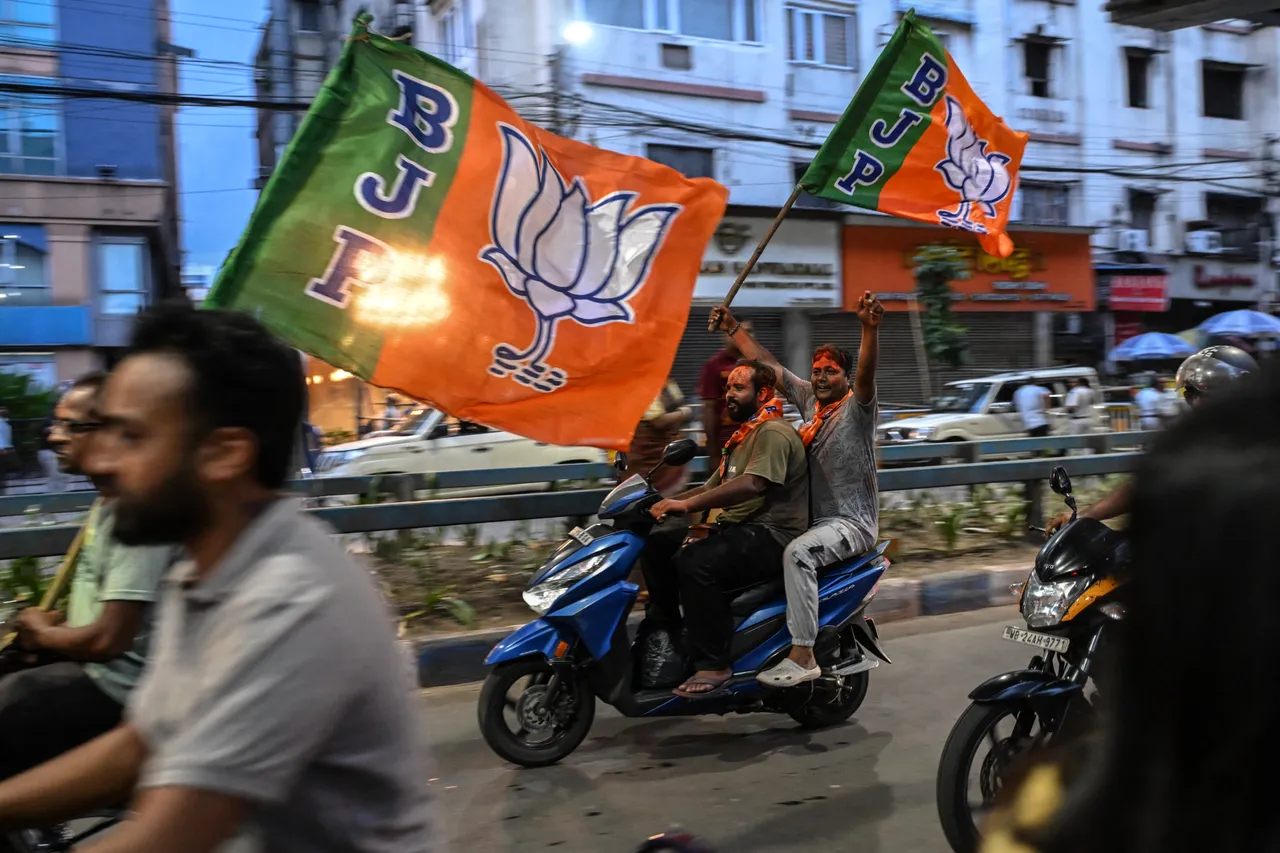
Post-election violence has erupted across West Bengal following an electoral victory by Narendra Modi’s Hindu nationalist Bharatiya Janata Party (BJP), with reports of killings, arson and clashes between rival political supporters.
At least four people have been killed in unrest since results were announced, according to police and party officials on Wednesday, while Indian media outlets reported continued violence for a second consecutive day, with incidents of arson, vandalism and targeted attacks across multiple districts.
Clashes broke out in several areas, including the state capital Kolkata, where tensions escalated between BJP and All India Trinamool Congress (TMC) supporters.
Violence reportedly began during vote counting on Monday and intensified after results confirmed a BJP landslide.
According to The New Indian Express, the body of a TMC worker, identified as Biswajit Pattanayak, was found near his home in Kolkata’s Beliaghata area hours after the results, with his family alleging he was murdered.
Social media videos cited by the outlet showed mobs armed with sticks chasing individuals believed to be TMC supporters.
In Jamuria, a TMC party office was set ablaze during counting day, The Pioneer reported, as early trends showed the BJP leading.
Clashes were also reported in Asansol and Dinhata, where rival party supporters confronted each other near counting centres, damaging property and vehicles. In some instances, the Central Armed Police Forces (CRPF) carried out baton charges to disperse crowds.
The TMC has directly accused BJP supporters of orchestrating attacks on its workers and infrastructure.
In a strongly worded statement on X, the party alleged that mobs “went on a rampage” near Kolkata’s New Market area, destroying shops and vandalising a TMC office.
The statement described the incidents as “brazen hooliganism”, accusing BJP cadres of unleashing violence with impunity and claiming central forces were instructed to “stand down”. It further warned that the unrest could escalate beyond political targets, framing the situation as a broader threat to civilians and vulnerable communities.




There have also been scattered reports on social media and from local sources alleging violence targeting Muslims in some areas, raising concerns about communal tensions in the aftermath of the vote.
While these claims remain difficult to verify independently, they have contributed to growing fears of wider instability.
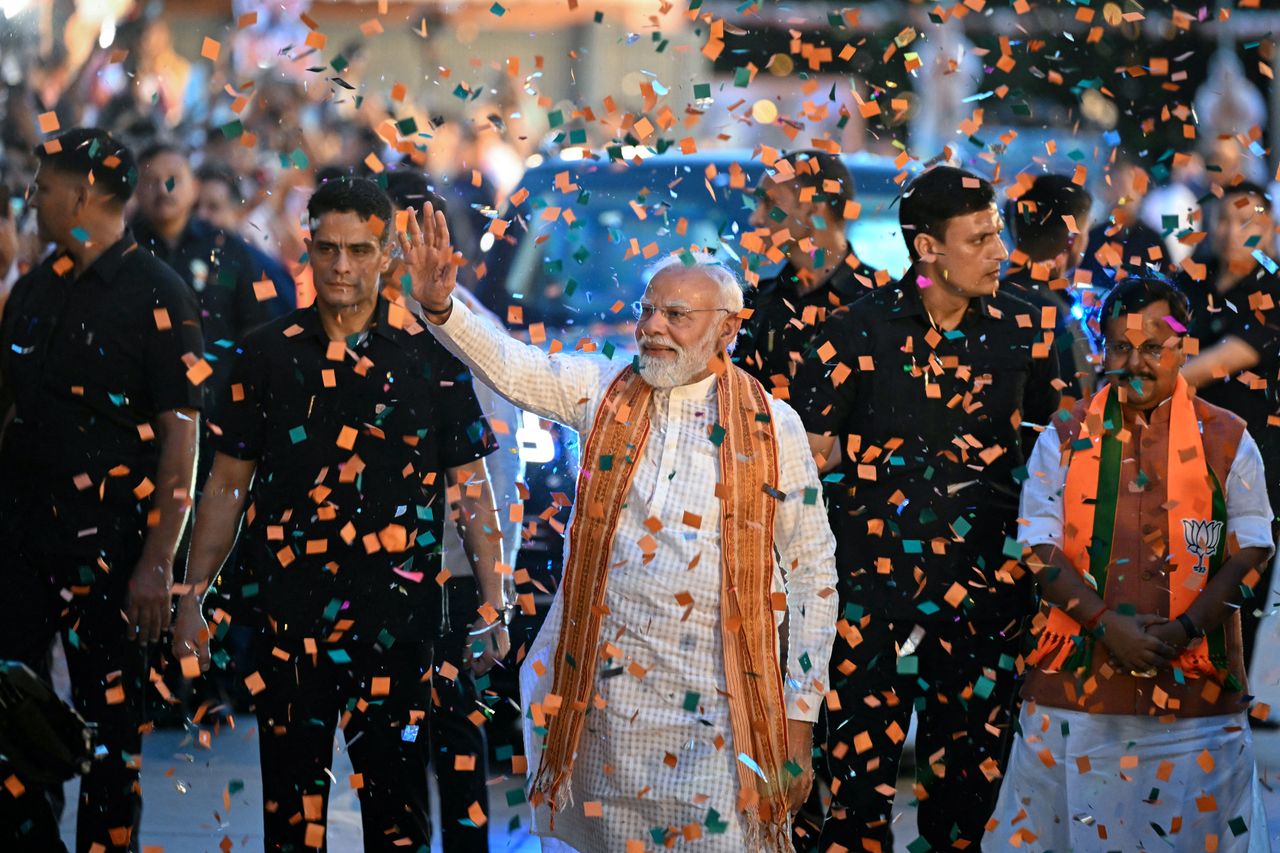
The unrest comes as the BJP secured a sweeping victory in the 294-seat assembly, winning more than two-thirds of the seats and marking its first-ever government in the state.
The result is seen as a major political milestone for Modi, extending the party’s reach into eastern India.
However, the outcome has been fiercely contested by incumbent Chief Minister Mamata Banerjee, whose party suffered a sharp decline. Banerjee has refused to concede defeat, alleging widespread irregularities.
“I will not resign, I did not lose,” she said, claiming over 100 seats were “forcibly taken” with the help of a “biased” election authority, an allegation dismissed by officials.
Her stance has drawn backing from opposition leaders. Rahul Gandhi, leader of the opposition in India’s lower house of parliament (Lok Sabha), alleged the election was “stolen,” while Akhilesh Yadav, another prominent opposition leader and former chief minister of the country’s most populous state, Uttar Pradesh, called it a “dark day” for democracy.
As violence continues and political tensions escalate, authorities face increasing pressure to restore order in one of India’s most politically significant states.