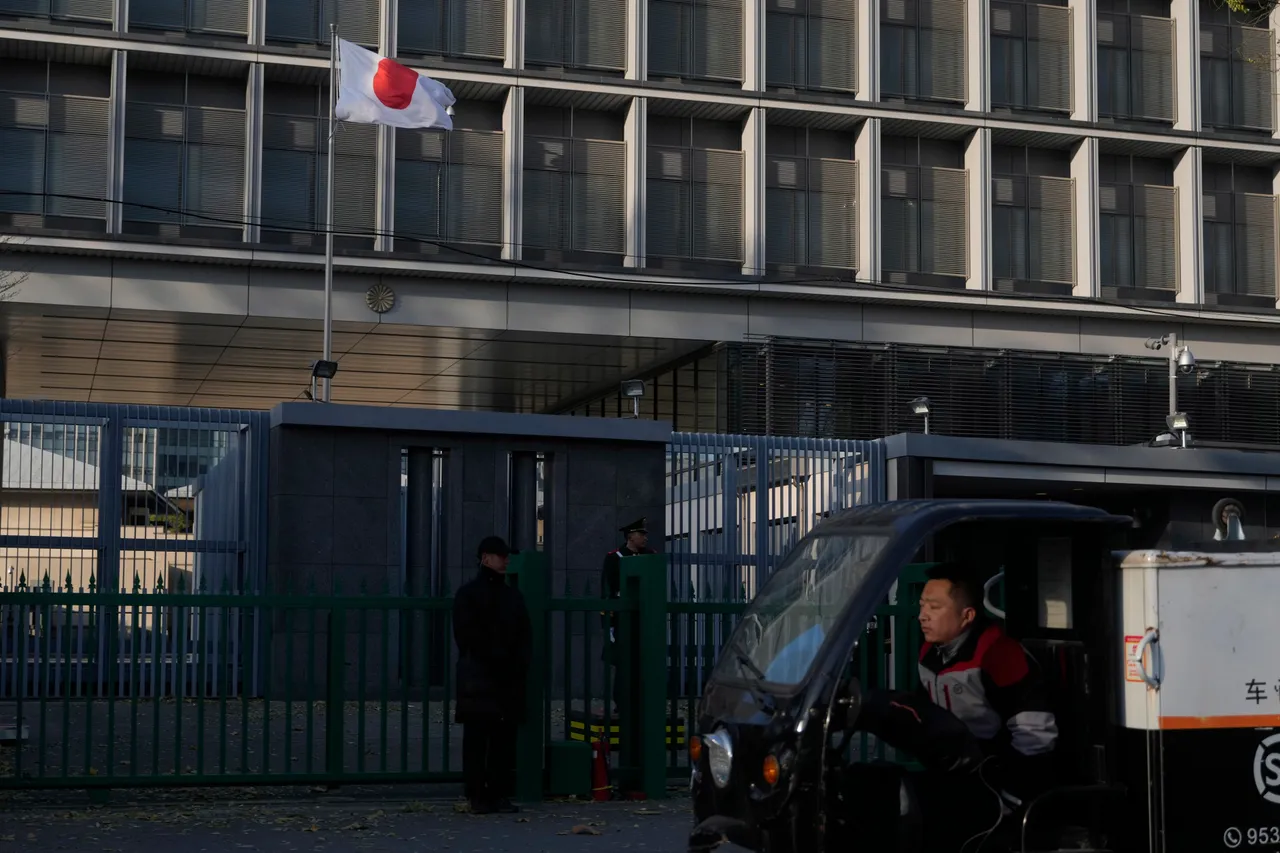
China added 20 Japanese organisations, including major companies, to a blacklist on Monday over the export of items that can be used for both military and civilian purposes, escalating a months-long row between Beijing and Tokyo.
The new additions "have participated in enhancing Japan's military capabilities", the ministry said in a statement.
The export curbs are being implemented "for the purpose of safeguarding national security and interests and fulfilling international obligations, including non-proliferation", it added.
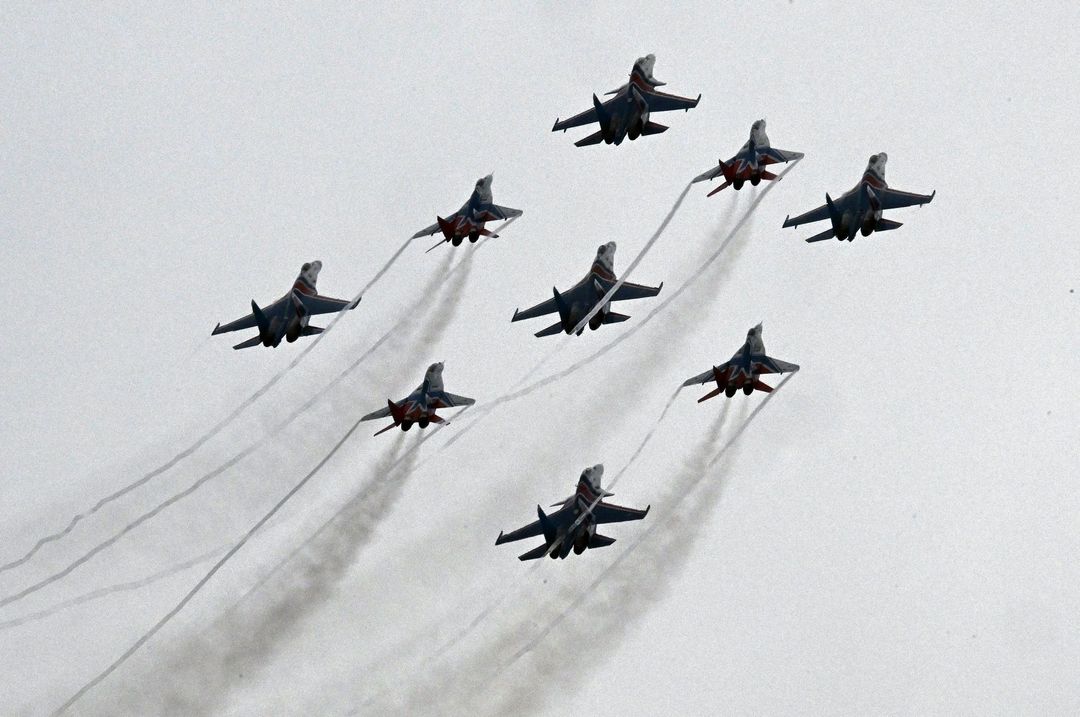
Relations between the countries were rocked in November when Japanese Prime Minister Sanae Takaichi suggested that Tokyo may react militarily to an attack on Taiwan, the self-ruled island Beijing has vowed to seize control of by force if necessary.
Chinese authorities ramped up pressure in February by imposing export restrictions on dozens of Japanese firms it said were involved in building up Tokyo's military.
The 20 additions to the export blacklist include various specialised subsidiaries and technology firms involved in supplying components and engineering support for Japan's defence sector.
Among them are the National Institute for Defense Studies and Mitsubishi Electric Defense and Space Technologies Corporation, the statement said.








20 more are on the watchlist
Another 20 Japanese entities were added to a watchlist, the commerce ministry said, requiring exporters to submit risk assessments and guarantees that dual-use items will not enhance Japanese military strength prior to making shipments.
Those named on the watchlist can apply to be removed by cooperating with "verification" procedures according to Chinese law, the statement said.
China is the world's largest producer and refiner of rare earths, which are crucial for various high-tech products, including electric vehicles, smartphones, missile guidance systems and lasers.
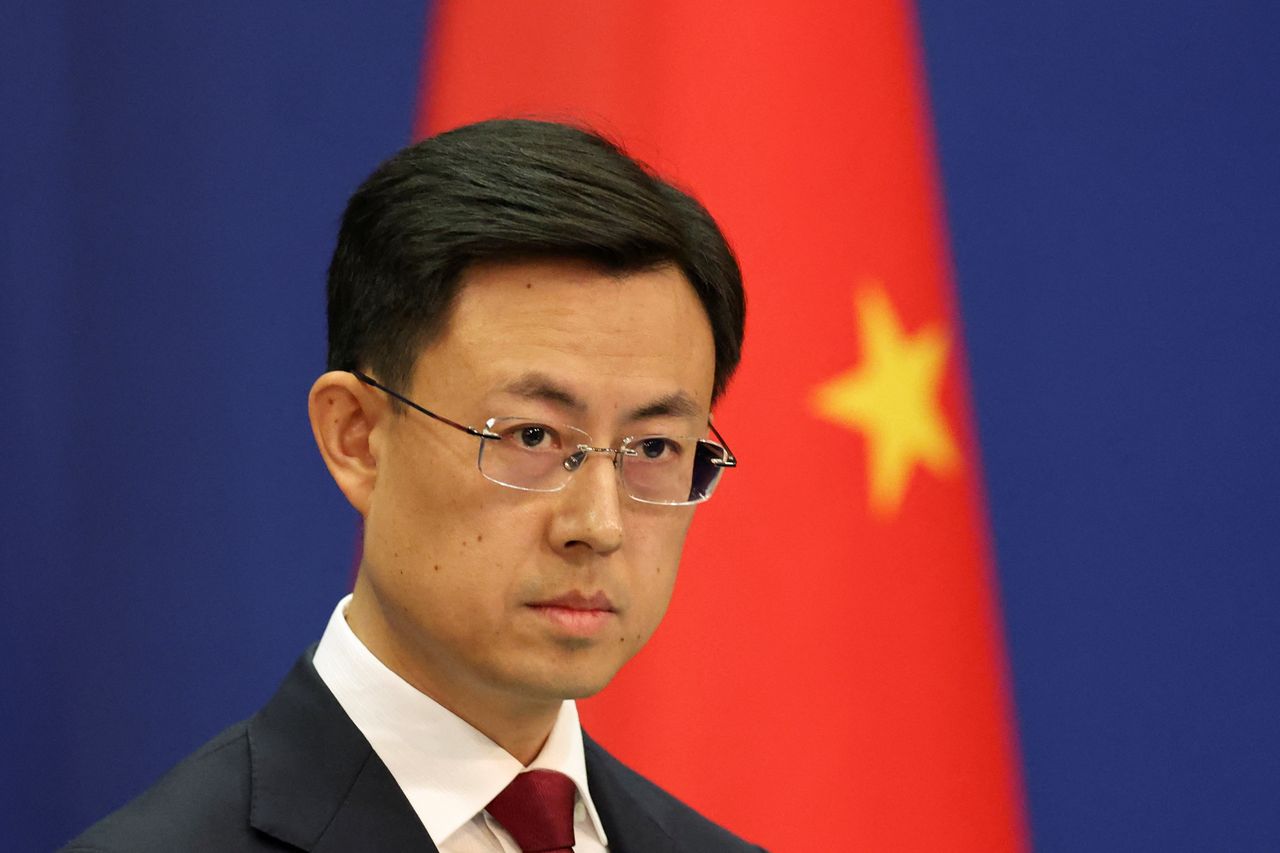
Japan has "strayed further down the wrong path, intensifying its push for a 'new form of militarism'", an unnamed commerce ministry spokesperson said in a statement on the latest measures.
"China's move is entirely justified, reasonable, and lawful," it said, adding that the decision "does not affect normal economic and trade exchanges between China and Japan".
Since Takaichi took office in October, Japan has quickened its pivot towards a more proactive defence policy, further shaking off — with US encouragement — a pacifist outlook, which has been in place since the end of World War II.
Japan and the United States, as well as many other countries, are seeking to curb dependence on China in rare earths, as Beijing increasingly uses its dominance for geopolitical leverage.