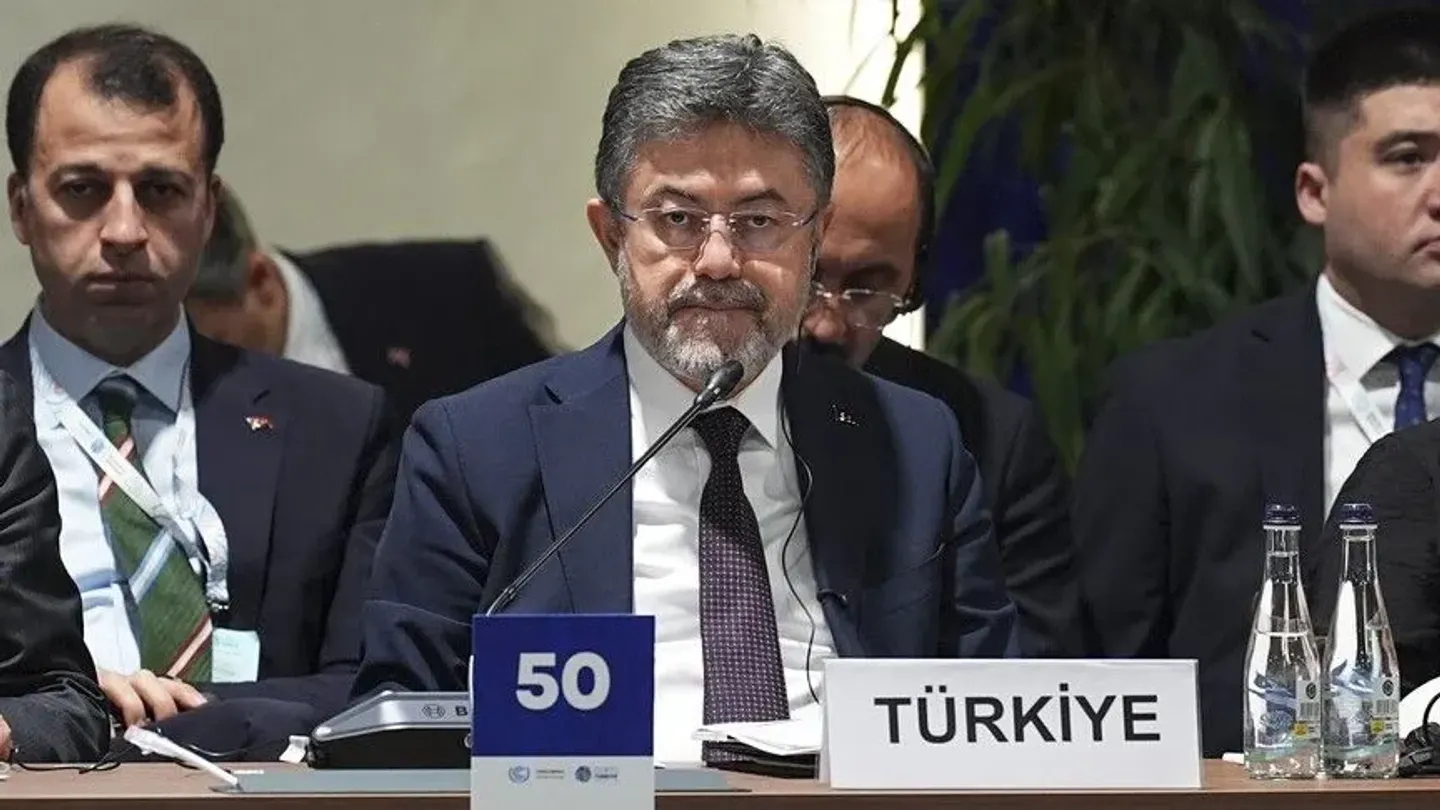
The climate crisis could reduce water resources by around a quarter in some vulnerable regions by the end of the century, Turkish Agriculture and Forestry Minister Ibrahim Yumakli has warned, urging greater investment in climate adaptation and water management.
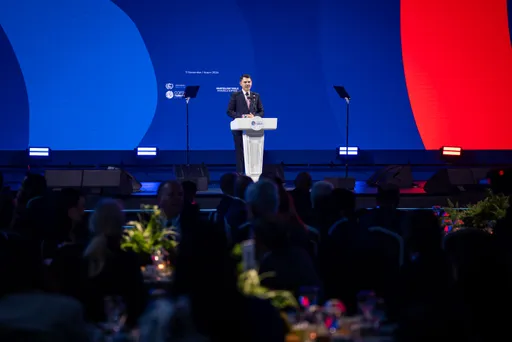
Speaking at the COP31 UN climate summit in Türkiye's southern province of Antalya on Thursday, Yumakli said rising temperatures and increased evaporation could have severe consequences for the country's water supplies, agricultural production and food security.
“Our approach is clear: We must manage risks in advance rather than respond to crises,” he said.
Yumakli was addressing a high-level meeting on glacier protection, climate resilience and sustainable financing at the 31st UN Climate Change Conference (COP31).
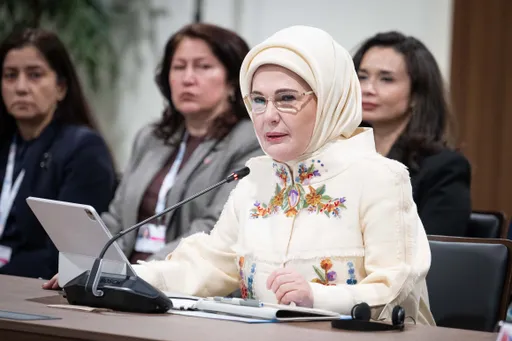
The meeting brought together senior officials from several countries, including Azerbaijan, Armenia and Lesotho, as well as Asian Development Bank President Masato Kanda.
Yumakli stressed that the future of glaciers was not only a concern for mountainous regions but also directly affected the livelihoods of millions of people.
He warned that rising global temperatures could have long-lasting and, in some cases, irreversible effects on glaciers and other parts of the cryosphere, which encompasses Earth's frozen components, including snow, ice and permafrost.
Snow and ice reserves in mountainous regions play a vital role in regulating river flows, ensuring seasonal water availability and supporting agriculture and ecosystems, he added.
Türkiye faces growing water risks
Yumakli said Türkiye's location in the Mediterranean Basin made it particularly vulnerable to the climate crisis.
“Through scientific studies conducted in 25 river basins across our country, we assessed the potential impacts of climate change on water resources through 2100,” he said.


“Our projections show that average temperatures could rise by up to 6 degrees Celsius (10.8 degrees Fahrenheit).”
Combined with increased evaporation, the projected warming could reduce Türkiye's annual available water resources by around 25% toward the end of the century, he warned.
Describing access to clean water as a matter of survival, Yumakli said Türkiye had begun implementing its National Water Plan for 2026-2035 to improve water efficiency and strengthen climate preparedness.
Over $1.4B in water management projects
Yumakli emphasised that protecting mountain ecosystems required sustainable financing to translate scientific knowledge, technology and planning into concrete investments.
He identified glacier monitoring, improved water availability assessments, hydrological modelling, and stronger forecasting and early warning systems as priority investment areas.
Türkiye is using public funding, grants, loans, public-private partnerships and international financial institutions to support climate adaptation and water management, he said.
Ongoing initiatives include an $819 million irrigation modernisation and water efficiency project implemented with the World Bank and a $600 million flood and drought management project.
Yumakli also highlighted the private sector's role in strengthening climate resilience and water efficiency, noting that state-owned Ziraat Bank offers loans and interest subsidies for eligible investments in pressurised irrigation systems.
Describing COP31 as an opportunity to translate climate commitments into action, he called for stronger international cooperation and shared responsibility.
“Let us not forget that protecting glaciers means protecting the rivers fed by those mountains, agricultural production, cities and the lives of future generations,” Yumakli said.