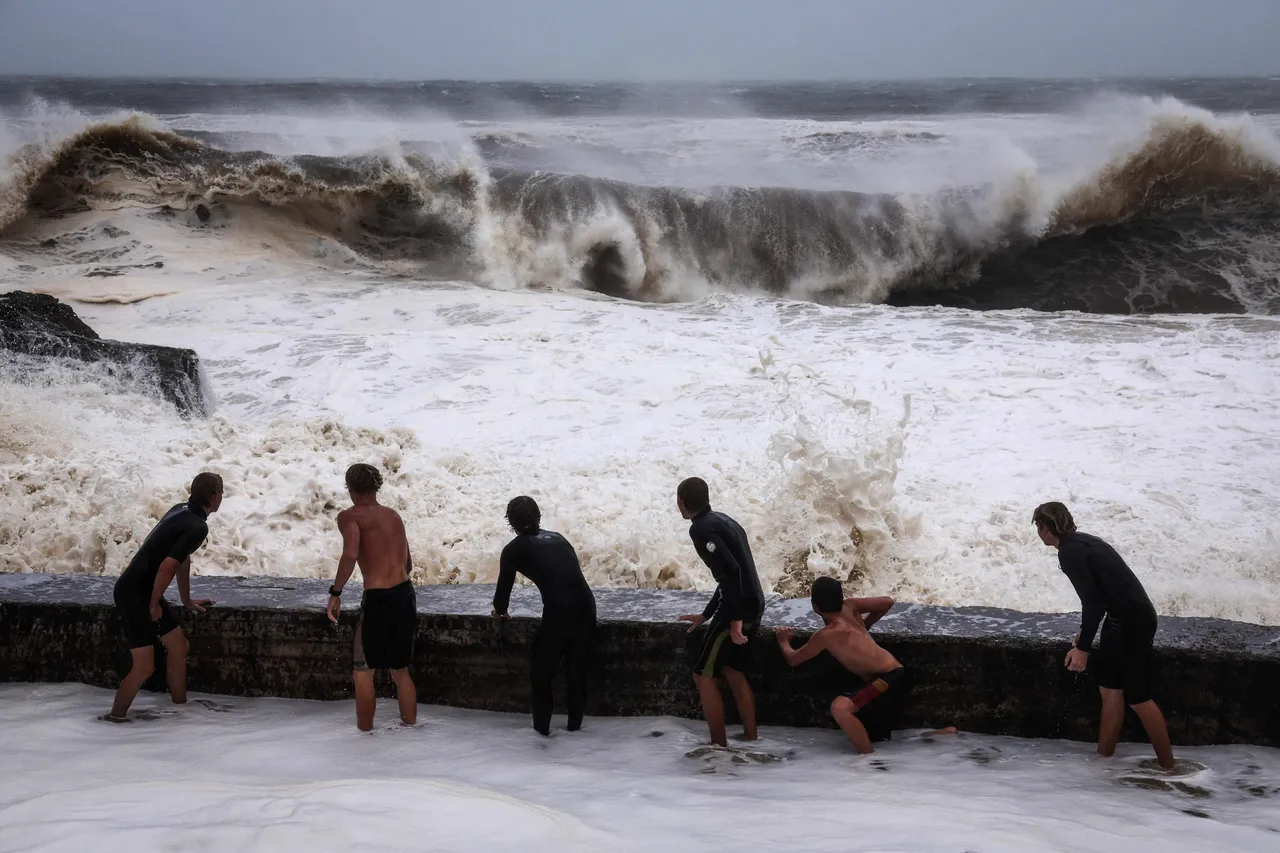
A man disappeared in floodwater, people were ordered to evacuate their flood-prone homes and tens of thousands of premises lost power on Friday as part of the Australian east coast was lashed by wind and rain ahead of its first tropical cyclone in 51 years.
Tropical Cyclone Alfred was forecast to cross the coast of Queensland state north of downtown Brisbane, Australia’s third-most populous city, early Saturday, Bureau of Meteorology manager Matt Collopy said.
“It‘s important to note that the exact track is still uncertain,” Collopy told reporters in Brisbane.
Alfred was moving west with sustained winds near the center of 95 kph (59 mph) and gusting to 130 kph (81 mph).
But the storm was expected to weaken as it approached Brisbane, Collopy said.
“This will mean that destructive winds are unlikely for Brisbane itself, but damaging wind gusts to 120 kph (75 mph) are expected and they will develop quickly as the system approaches,” Collopy said.
Evacuations and power outages
The missing man was driving an SUV that was washed off a bridge on Friday afternoon near the town of Dorrigo in northern New South Wales state, a region which has received some of the heaviest rainfall in recent days, a police statement said.
The driver escaped the SUV and clung to a tree branch in fast-flowing water 30 meters (100 feet) from the river bank, police said.
Police were able to speak to him before he was swept from the tree and disappeared underwater. Emergency teams have begun a search. At least five people have been rescued from floodwater as rivers rise in New South Wales.

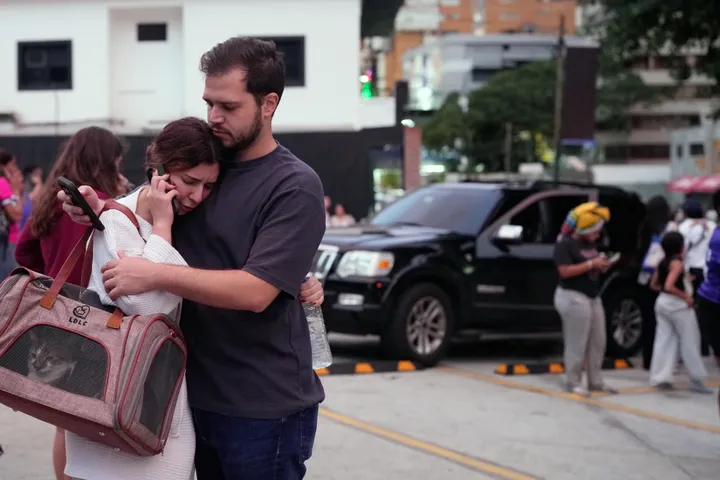






Two people narrowly escaped a large tree falling on their home in the Currumbin Valley in Queensland on Thursday night. The couple were lying only centimeters (inches) from where the tree came to rest in their bedroom, police said.
“Thankfully, both patients sustained only minor injuries,” Queensland Ambulance Service said in a statement.
In Queensland, 46,000 homes and businesses had lost power due to falling trees, mostly in Gold Coast, officials said.
In flood-prone northern New South Wales, 43,000 premises had lost power by early Friday, but electricity was restored to 6,500 of those by afternoon, officials said.
State Emergency Service acting chief superintendent Stuart Fisher said 19,000 people had been ordered to evacuate their New South Wales homes by noon or risk being trapped by floodwater.
The Sunshine Coast region north of Brisbane and the city of Gold Coast to the south are tourist destinations renowned for their extensive and picturesque white sandy beaches.
But many of those beaches have eroded away over days by large waves and unusually high tides generated by Alfred.
Alfred is expected to become the first cyclone to cross the coast in the Brisbane region since Cyclone Zoe hit Gold Coast in 1974 and brought widespread flooding.
The cyclone has been tracking south from the tropics for weeks.