 Kazim Alam
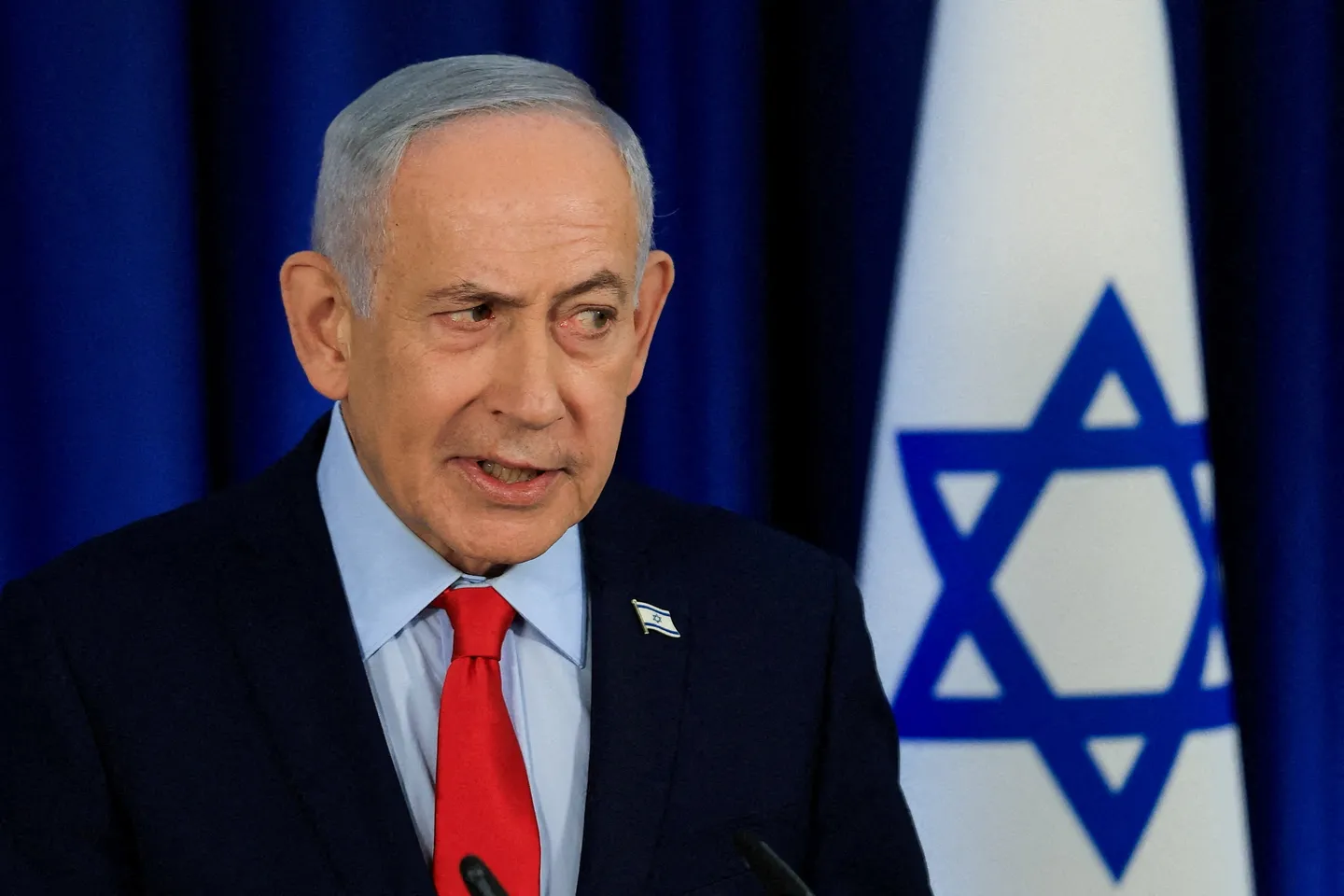
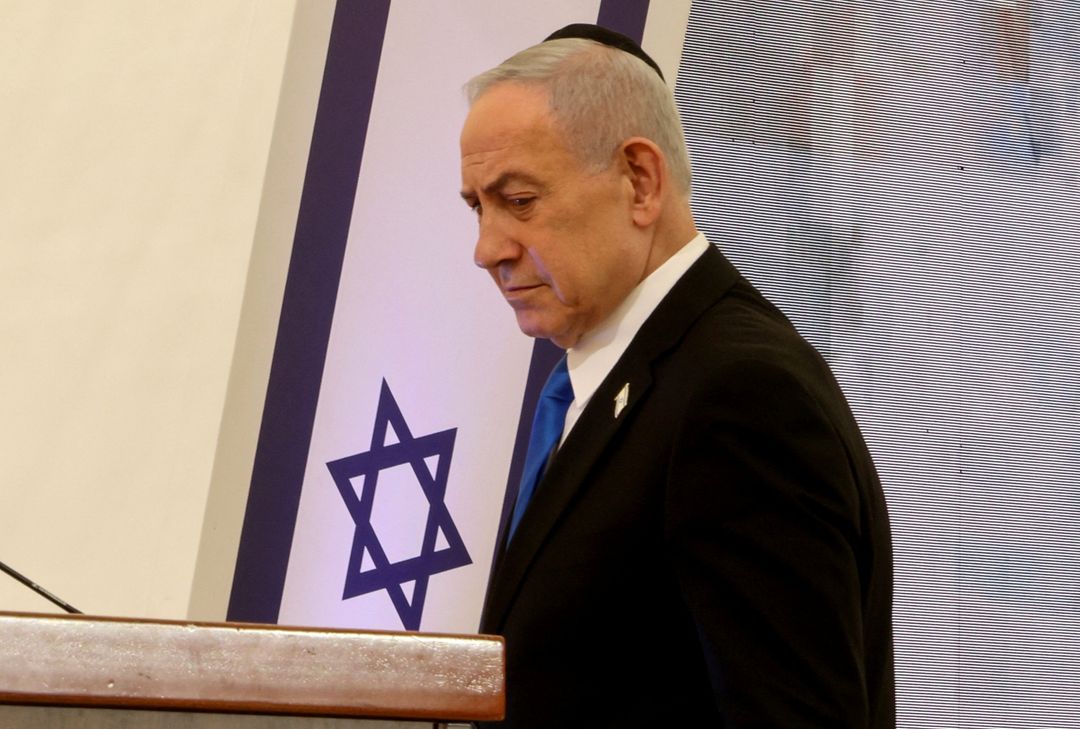
Israeli Prime Minister Benjamin Netanyahu’s Likud party is trying to get Arab-majority parties banned a month before the national election on October 27.
It has asked Israel’s Central Elections Committee to disqualify the Ra’am party – led by Mansour Abbas – and the Joint List, which is an alliance of Hadash, Ta'al, and Balad groups.
Netanyahu’s party, already the country’s longest-serving prime minister, has demanded the ban, saying there is “no room in the Knesset for those who harm” members of the Israeli forces.
Pre-election public polls show Netanyahu’s ultra-right bloc is unlikely to win a 61-seat majority in the 120-member Knesset to form a government.
The Zionist opposition, led by former chief of Israeli forces Gadi Eisenkot and ex-premier Naftali Bennett, is also expected to fall short of the 61-seat threshold needed to form a government.
This means either political bloc will need support from Arab parties – typically backed by Palestinian citizens of Israel, who comprise one-fifth of the country’s population of 10.3 million – to form a government.
Experts say the latest disqualification drive led by Likud is not merely an attempt to achieve a legally sanctioned clean-up of the electoral field.
Rather, they view the move as an effort to shrink Arab political power, thus paving the way for Netanyahu’s return to the government.
Arik Rudnitzky of the Moshe Dayan Center for Middle Eastern and African Studies at Tel Aviv University tells TRT World that Likud’s move serves two purposes.
One, it seeks to delegitimise Arab parties – “particularly Ra’am” – as potential partners in an Eisenkot-led government. It will become “more difficult” for the former chief of Israeli forces to assemble a governing coalition without Arab parties in the electoral field, he adds.
Two, it may be meant to discourage Arab citizens from voting at all.
“The calculation is that if an Arab party is disqualified, some Arab voters may boycott the election,” he says.
Lower Arab turnout would improve Netanyahu’s chances of remaining in power.
“The effort is not only about keeping Arab parties off the ballot. It is also part of a broader strategy to obstruct the formation of an alternative government,” Rudnitzky says.
Suppression of voter turnout
Israeli elections use nationwide proportional representation, which means voters don’t vote for a particular member of the Knesset.
Instead, they vote for a “list”, which is the official slate of candidates that each party submits to the election-holding body. Sometimes, multiple parties form an alliance and contest elections under a “joint list”.
Two main Arab-majority lists are contesting the October polls, and Likud wants the election-holding body to ban both.
Rudnitzky says that this cycle is different from earlier attempts to ban Arab parties precisely because Palestinian Israelis are being pulled towards the polls, not away from them.
“The current political discourse within Arab society encourages (Palestinian Israelis) to vote and emphasises the importance of electoral participation,” he says.
Many Palestinian-Israeli citizens see the coming election as “crucial to their future in the country” as polls point to higher turnout than in 2022.
“They may also seek to undermine the perceived legitimacy of Arab parties as potential coalition partners and discourage both Arab parties and voters from supporting a new government led by the current Jewish opposition parties,” he says.
Ra’am is under attack especially because it is a plausible Palestinian-Israeli partner for a non-Netanyahu government.
Abbas’s party joined the 2021-22 Bennett-Lapid coalition, the first time an Arab list sat inside an Israeli cabinet. It focused much of its work on crime and civic needs in Arab communities.








Rudnitzky says the targeting of Ra’am “should not come as a surprise” because the party is seeking to establish itself as a legitimate partner in a potential new “government of change”.
Interestingly, Ra’am has placed a Zionist candidate second on its list – meaning he is more likely to enter the Knesset than candidates lower down the slate.
“The more relevant Ra’am becomes to the formation of an alternative coalition, the stronger the political effort to challenge its legitimacy as a governing partner,” he says.
A changed electorate post-2018
Ozden Zeynep Oktav, head of the international relations department at Istanbul Medeniyet University, tells TRT World that Likud has lost legitimacy among Israelis. As such, a weakened Netanyahu is likely to “follow more racist policies”.
In her view, the latest ban attempt is “quite different from the previous ones” because Netanyahu and his family are “fast losing their legitimacy”.
Oktav links Abbas’s growing confidence to the protests against Netanyahu.
As those protests grow, the Ra’am leader “feels more confident” to call on Israel to recognise an “independent Palestinian state”, she says.
That helps explain why a party once admitted into government is now being painted as unfit for the ballot.
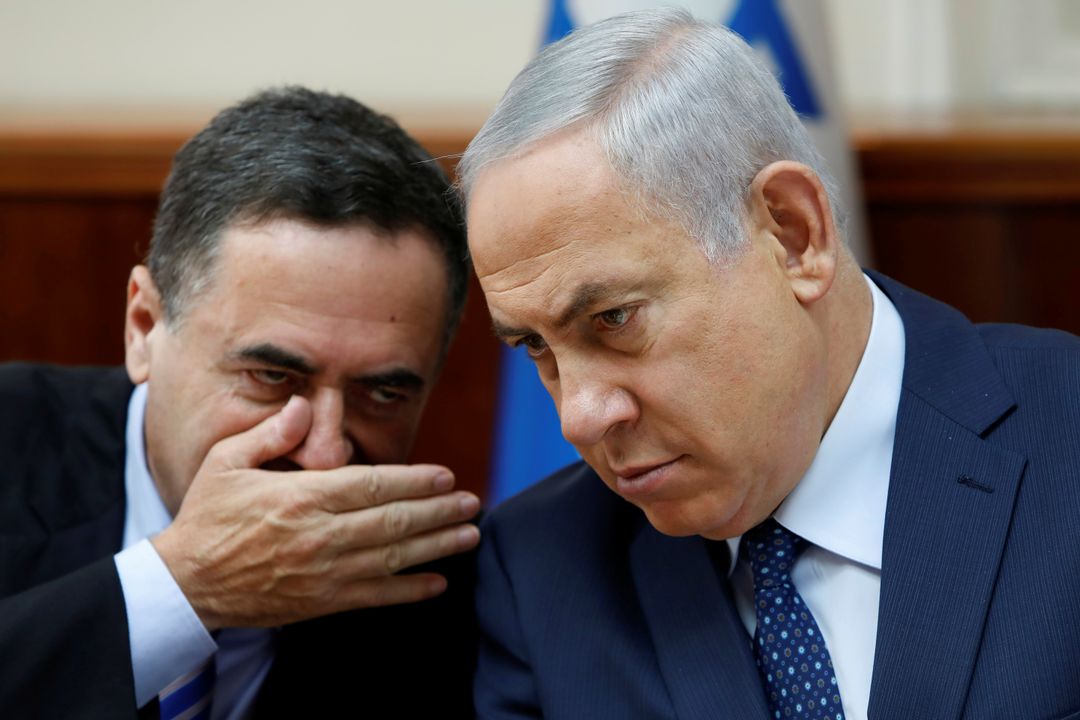
Zahide Tuba Kor, a scholar of Middle Eastern studies, tells TRT World that Palestinian-Israeli electoral participation is the structural fact that lies beneath the years-long political deadlock in Tel Aviv.
One reason Israel has remained without a stable government since 2018 is that Palestinian Israelis have abandoned their boycott and turned out to vote en masse.
Once Arab parties began winning 10 to 15 seats, forming a government of Jewish parties alone became far harder, she says.
Israel then set a record of five parliamentary elections in three and a half years, from April 2019 to November 2022.
“Arab parties played a significant role in the failure to form a stable coalition government composed of Jewish parties between 2019 and 2021,” she says.
Netanyahu tried a different tactic before 2021: encouraging Arab voters to back Likud, while splitting the Arab vote so that lists would fall below the threshold of 3.25 percent of total national votes required to enter the Knesset.
“All these tactics backfired,” she says, adding that his opponents were able to form the coalition government with support from the Ra’am party.
That success is exactly what the current campaign is trying to make unrepeatable.
After October 7, 2023, no political party can afford to seek external support from Arab parties, as was done in 2021, Kor says.
“The definitive solution (for Netanyahu) is to ban Arab parties, and redistribute the parliamentary seats currently held by them among Jewish parties,” she says.
Rudnitzky warns that if the Supreme Court overturns the proposed ban, Likud and its partners will still harvest the ruling.
Such an intervention would reinforce Likud’s claim that the judiciary acts against the “will of the people”.
“It could also intensify criticism of the judiciary’s authority to make consequential decisions on politically controversial matters,” he says.