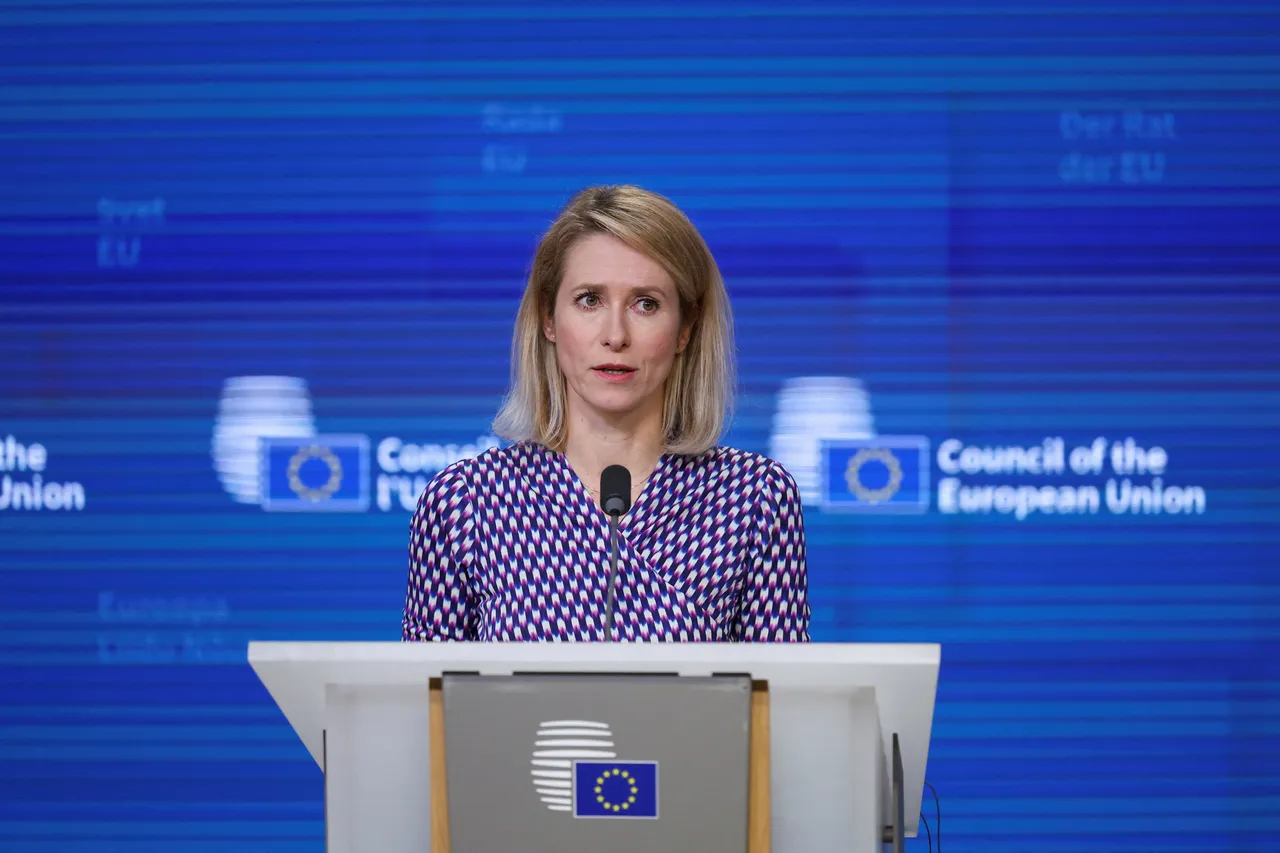
EU foreign policy chief Kaja Kallas has warned that tensions in the Strait of Hormuz show no signs of easing, as Nordic and Baltic leaders called for stronger European security and continued pressure on Russia.
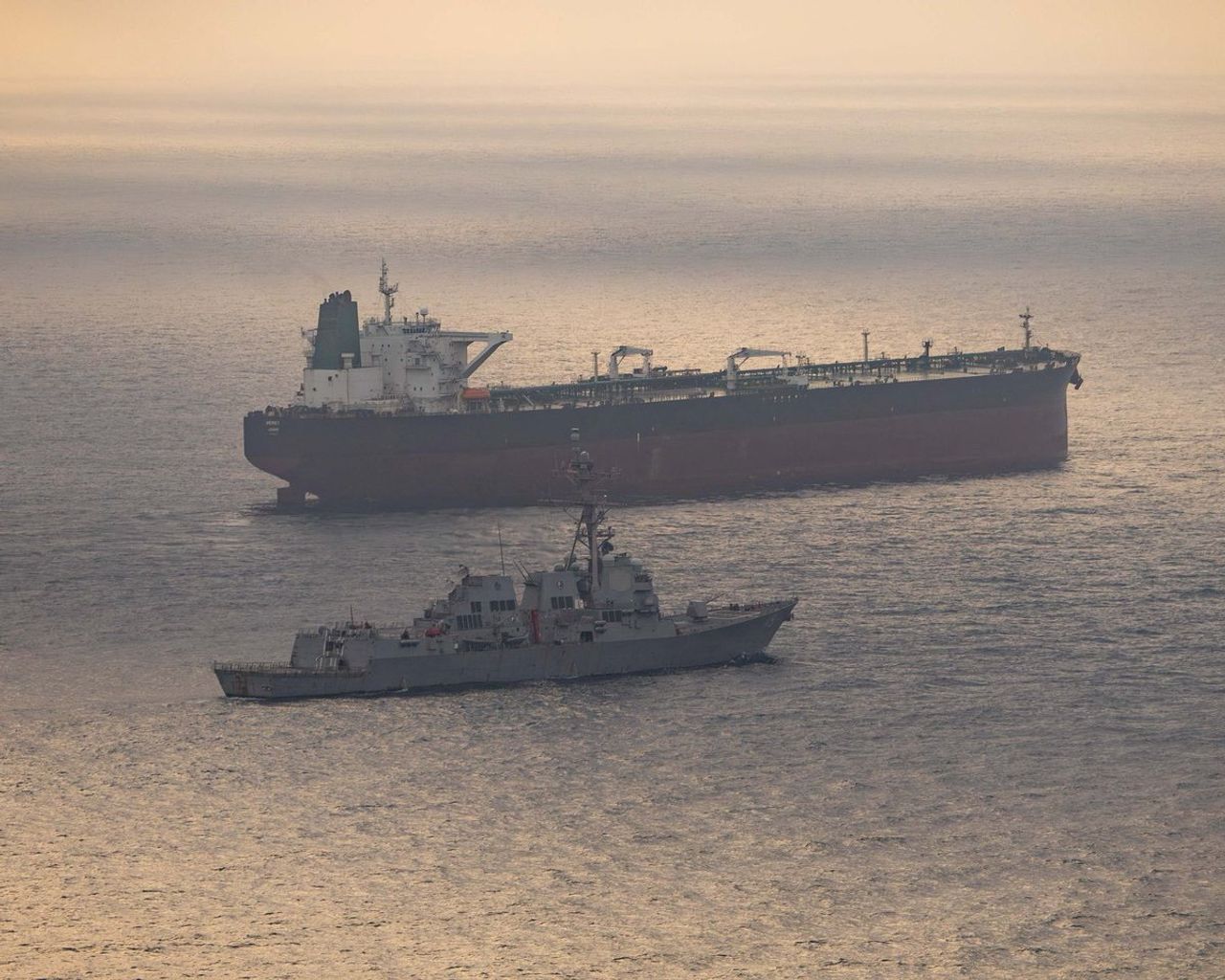
“There is no swift exit from the standoff in the Strait of Hormuz in sight,” Kallas said on Thursday following a meeting of Nordic-Baltic foreign ministers. “The consequences are negative across the board. The global economy is reeling.”
She said the crisis is fueling broader geopolitical fallout, noting that Russia is benefiting from higher oil prices while disruptions are affecting global trade and delaying US weapons deliveries.
“Freedom of navigation is non-negotiable,” Kallas added, saying the EU has agreed to expand sanctions on Iran over shipping restrictions and that European naval operations could play a greater role in restoring energy and trade flows.
‘No return to business as usual with Russia’
Kallas said Nordic and Baltic countries remain among Kiev’s strongest supporters, warning that Russia continues to pose a long-term threat.
“We will provide Ukraine what it needs to hold its ground until Putin understands his war leads to nowhere,” she said, adding that there can be “no return to business as usual with Russia.”
Estonian Foreign Minister Margus Tsahkna highlighted the strategic alignment among Nordic and Baltic countries, describing them as a “family-like” group with shared views on global threats.



“We were talking about increasing pressure on Russia as well to support Ukraine,” he said, stressing that Europe must avoid “grey zones or buffer zones” between Russia and NATO, which he warned could encourage further aggression.
‘Unity among allies is crucial’
Norwegian Foreign Minister Espen Barth Eide said unity among allies is crucial at a time of heightened security challenges.
“It is a difficult time for European security … in the midst of war in Ukraine and the situation in the Middle East,” he said, emphasising the importance of coordination within NATO and the Nordic-Baltic group.
Lithuanian Foreign Minister Kestutis Budrys said the group is focused on strengthening deterrence and defence capabilities, urging allies to increase defence spending and “fill in the gaps” ahead of upcoming NATO discussions.
Latvian Foreign Minister Baiba Braze also stressed the need to maintain pressure on Moscow, saying sanctions and efforts to limit Russia’s access to funding and technology must continue.
“We have to again trust ourselves and make sure that what we do … denying Russia money, denying Russia technology … we keep that strong,” she said.