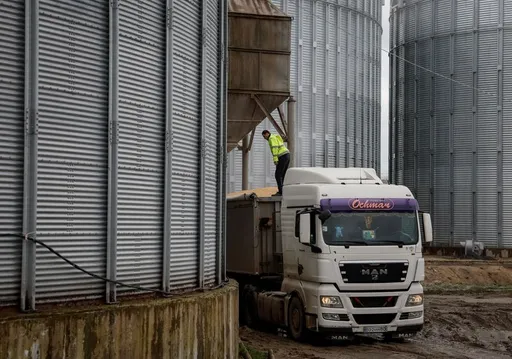
In an ironic twist of fate, China, which is run by a communist party, on Friday voiced "firm opposition" to the UK government's decision to nationalise British Steel, a subsidiary of China's Jingye Group.
China's commerce ministry said it was "dissatisfied" with the move, arguing that Jingye had injected significant capital into British Steel, sustained its operations and preserved jobs after acquiring the loss-making company, according to state-run Xinhua news agency.
The UK government took British Steel into public ownership on July 16, saying it would protect jobs and safeguard "a vital national capability."
Jingye has sought compensation from the UK government for taking over its investment. British Business Secretary Peter Kyle told the BBC that an independent assessor would determine whether Jingye should be compensated based on the company's value.
China urged the UK to abide by relevant international rules, fulfil its obligations under the China-UK investment protection agreement and treat Chinese-invested companies fairly and equitably.
Beijing said it would take "strong measures" to protect its interests.
Britain is taking over the loss-making company in what it said was an effort to protect the future of steel production in the country.
Thatcher’s dream undone
UK steel production peaked in the 1970s, but a decade later, the government of former British Prime Minister Margaret Thatcher privatised the steel industry as part of a broad free-market economic model.
Over the years, private companies, including Tata Steel and Greybull Capital, a private equity group, tried to run British Steel but struggled to sustain operations. Jingye took over the company in 2020.
Jingye invested $1.6 billion in the company, but it, too, found it difficult to turn a profit.








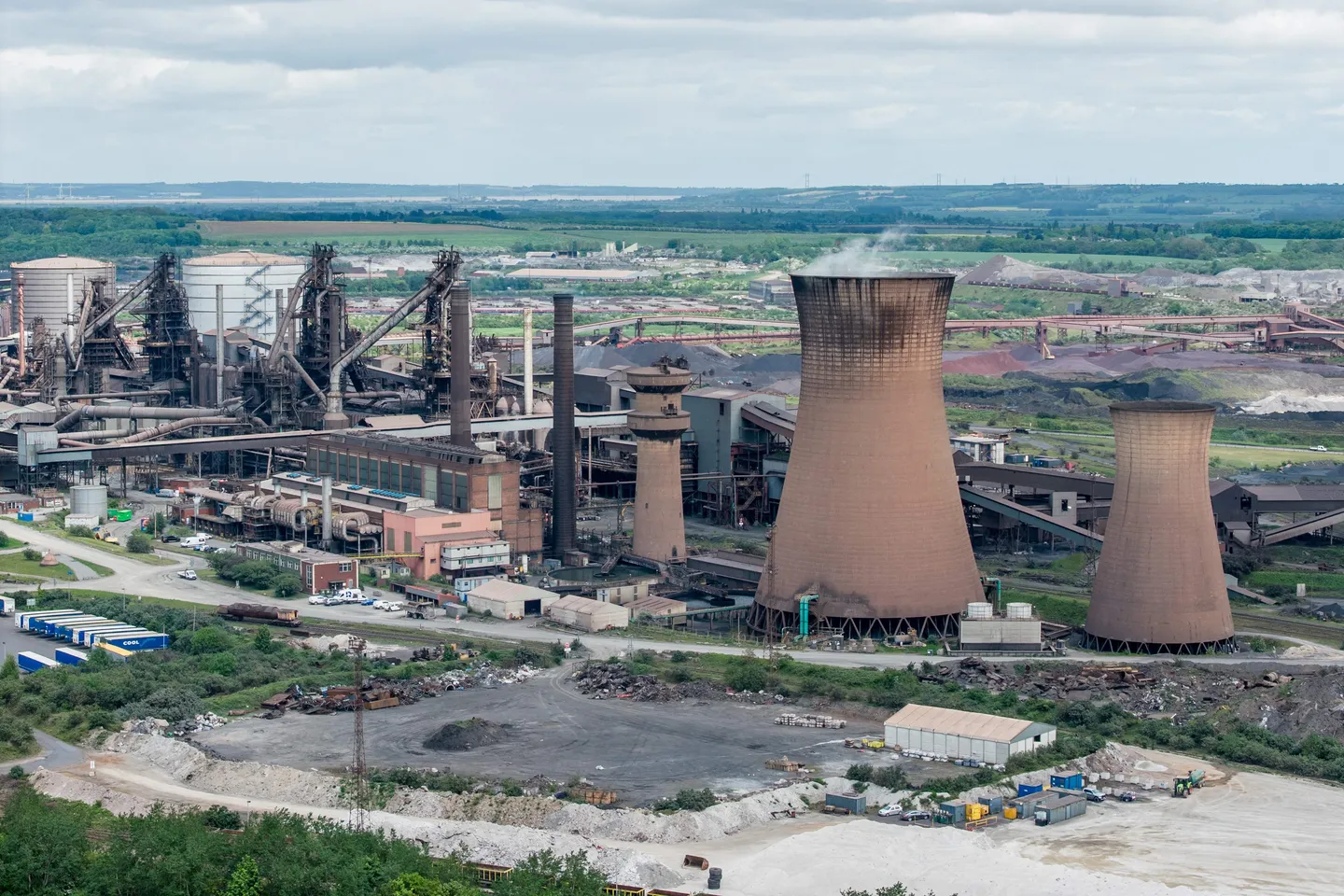
After years of stop-start negotiations over state aid to upgrade the plant to electric arc furnaces, Jingye last year threatened to walk away and leave the blast furnaces to fall into disrepair.
Chinese interests
China's opposition to the UK government's nationalisation of British Steel is rooted in protecting its corporate investments and asserting its rights under international treaties.
Beijing's stance appears contradictory — since the Chinese government continues to control levers of the economy — but it aligns with its geopolitical and economic strategies.
China's commerce ministry says the UK's forced expropriation "severely undermined the confidence of Chinese companies investing in the UK".
China also demanded that the UK fulfil its obligations under the 1986 China-UK Bilateral Investment Treaty, which guarantees fair and impartial treatment for foreign firms.
Generally, it is developed countries, such as the UK, which remind their developing peers about the importance of fulfilling commitments under bilateral treaties.
National security interests are also involved in the over the issue of British Steel.
The UK rushed through the Steel Industry (Nationalisation) Act 2026, as allowing Jingye to close the blast furnaces would leave Britain entirely dependent on foreign steel imports.
China rejected this "national security" justification, calling it a politicisation of trade.