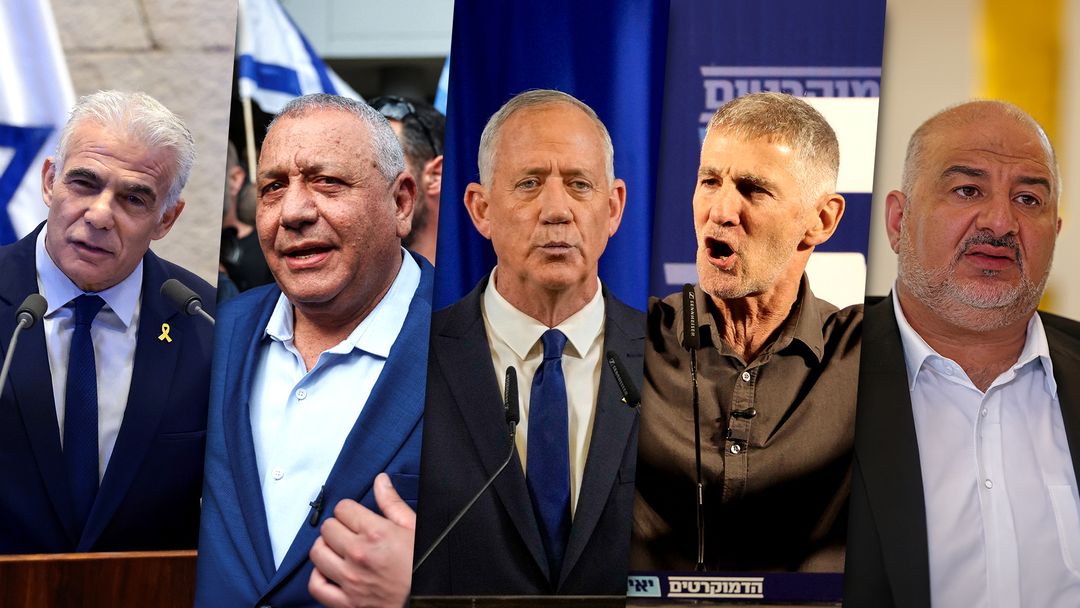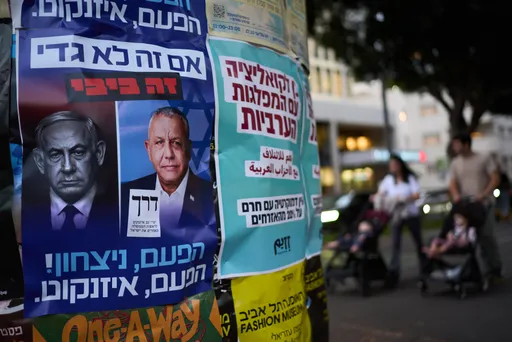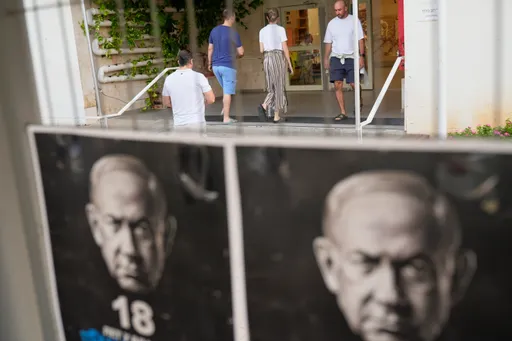
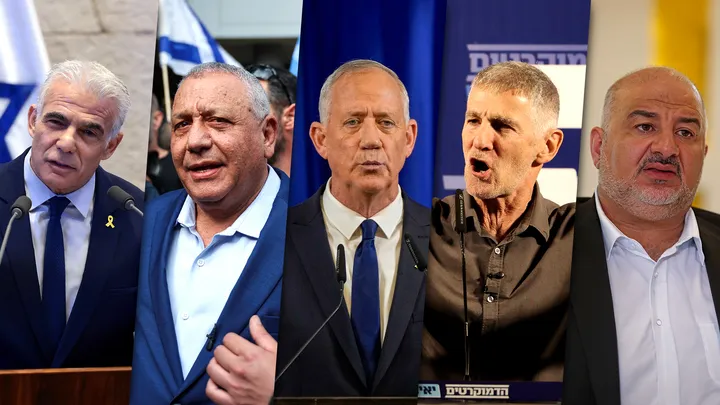
Israeli opposition leader Gadi Eisenkot has called on Prime Minister Benjamin Netanyahu to retire from politics, insisting voters rejected his leadership even as updated television exit polls showed Netanyahu's bloc edging ahead in a tightening contest.
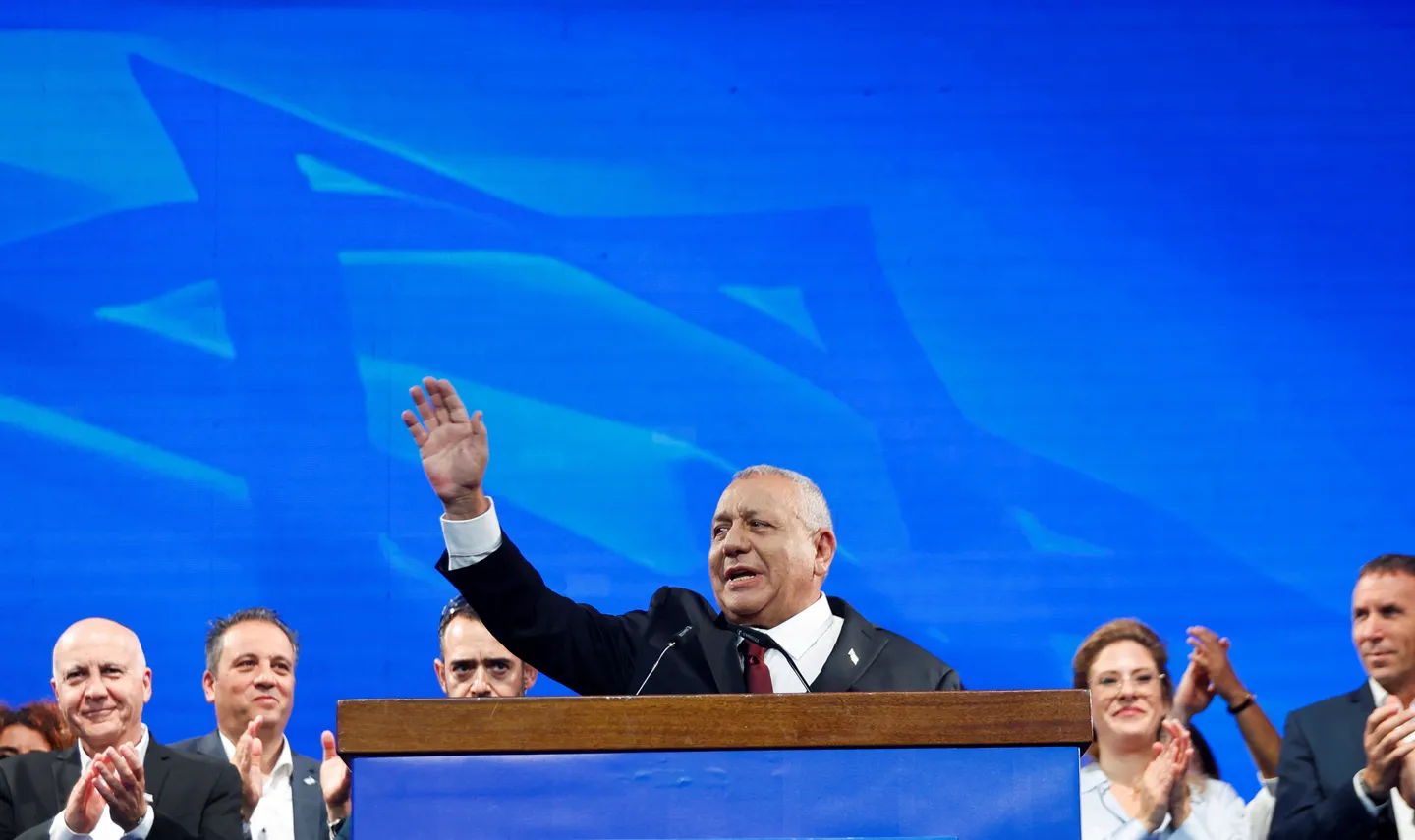
Speaking to supporters early on Wednesday at his Yashar party's headquarters in Tel Aviv, the former army chief of staff declared that Israelis voted for change and pledged to form a broad governing coalition.
"It would be a mistake to hold another election, and it is my duty to do everything possible to carry out the will of the people," Eisenkot said.
Addressing the prime minister directly, he warned: "Do not dare use Israel's security for your political needs".
Eisenkot also urged security chiefs to remember that Netanyahu heads an interim administration, stating: "Remember that you serve only the interests of Israel's citizens".
Netanyahu vows right-wing unity
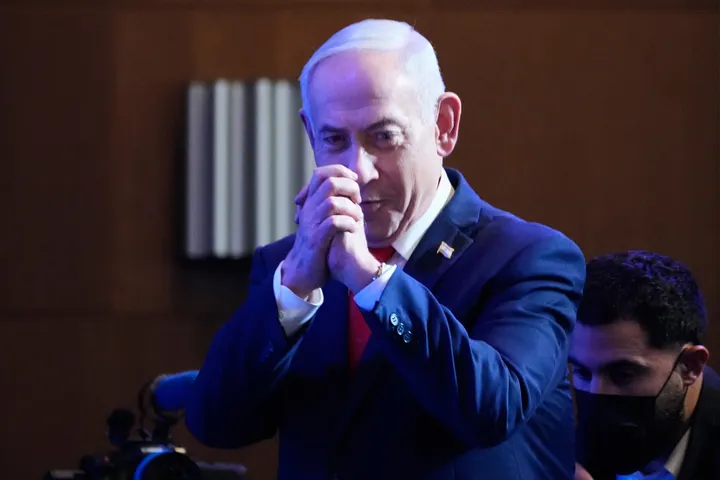
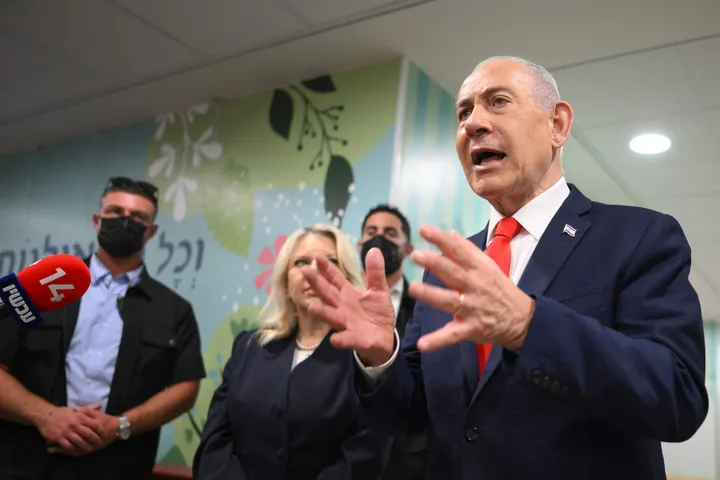
Speaking after 3:00 am, Netanyahu delivered a concise address vowing to build an administration anchored exclusively on the right, while refraining from declaring an outright victory.
"We must put in place a strong government of the right," Netanyahu said, noting that Likud was projected to remain the single largest party.
"The Jewish and Zionist majority must unite. It is out of the question to have a government that is backed by Arab parties."




The political confrontation unfolded as broadcaster Channel 12 revised its exit poll projections, showing Netanyahu's right-wing bloc taking the lead with 52 seats against 49 seats for Eisenkot's opposition bloc.
The broadcaster projected Arab-list parties to secure 19 seats.
The latest shift follows earlier projections from Israel’s public broadcaster and Channel 13 that placed both rival blocs level at 51 seats each, with 18 seats for Arab parties.
Channel 13 had projected Likud as the single largest party with 27 seats, followed by Yashar with 23 and Naftali Bennett's Together alliance with 13.
The revisions completely erased an initial lead for Eisenkot's camp, which opening projections had placed at 53 seats against 50 for Netanyahu's bloc.
Crucially, neither camp has reached the 61 seats required for an outright majority in the 120-seat Knesset.
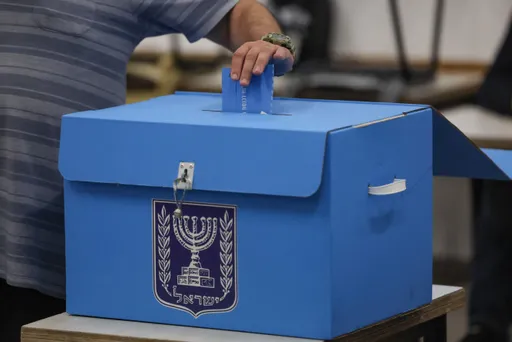
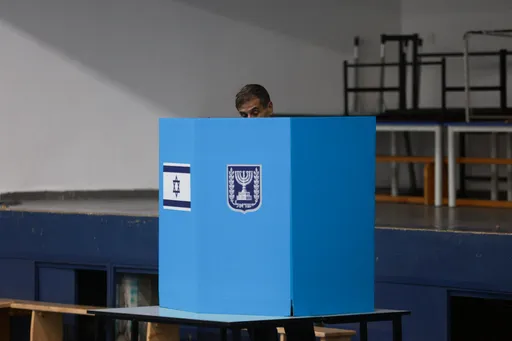
Voter turnout reached 77.7 percent—the highest recorded since 1999 and up 7.1 percentage points from 2022, according to the Central Elections Committee.
Vote counting commenced after polling stations closed at 10 pm local time on Tuesday.