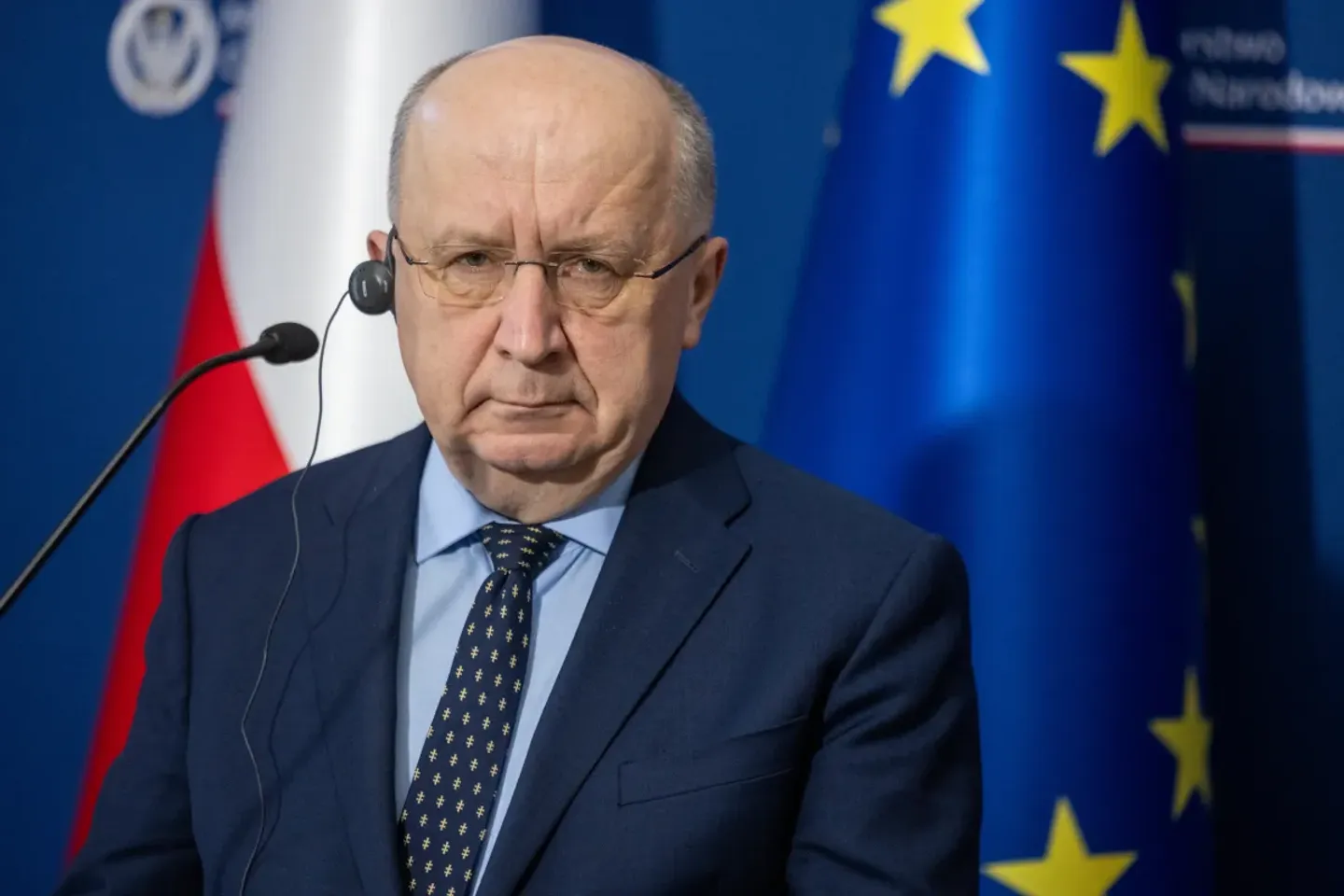
Europe faces an urgent challenge to replace key American military capabilities as Washington reviews its force posture on the continent, EU Defence Commissioner Andrius Kubilius has warned.
Speaking at a defence conference in Brussels on Tuesday, Kubilius said Europe must be ready for the possibility that the United States could shift troops and strategic assets to other regions, leaving European allies to shoulder greater responsibility for their own security.
“We have to be prepared. This could not be at some distant time in the future. It could be soon,” he said.
Filling strategic gaps
Kubilius said Europe would need to replace critical US military support, including strategic enablers and heavy weaponry, if Washington reduces its presence.
The warning follows an announcement by US Defence Secretary Pete Hegseth that the Pentagon will conduct a six-month review of American force deployments in Europe.
According to Kubilius, failing to address shortfalls in areas such as space-based intelligence and advanced military capabilities could leave Europe vulnerable to future threats.
He argued that Russian President Vladimir Putin could seek to test Europe's resolve at a time when Moscow faces mounting challenges in Ukraine.
Over $500 billion challenge
Kubilius cited estimates suggesting that closing Europe's defence capability gaps could cost around $570 billion.
But he stressed that the challenge extends beyond funding, saying Europe must learn how to spend resources more effectively to strengthen its defence industry and military readiness.
The commissioner renewed calls for deeper cooperation among EU member states, greater integration of Ukraine’s defence sector and increased large-scale production of military equipment.
“At a time when America is asking us to step up, because in some areas, they might step aside, now is the time to create a more integrated European defence market,” he said.
The European Commission is expected to present new proposals next week aimed at strengthening defence cooperation and creating a more integrated European military market.