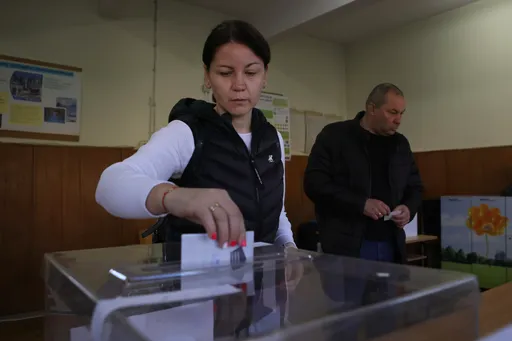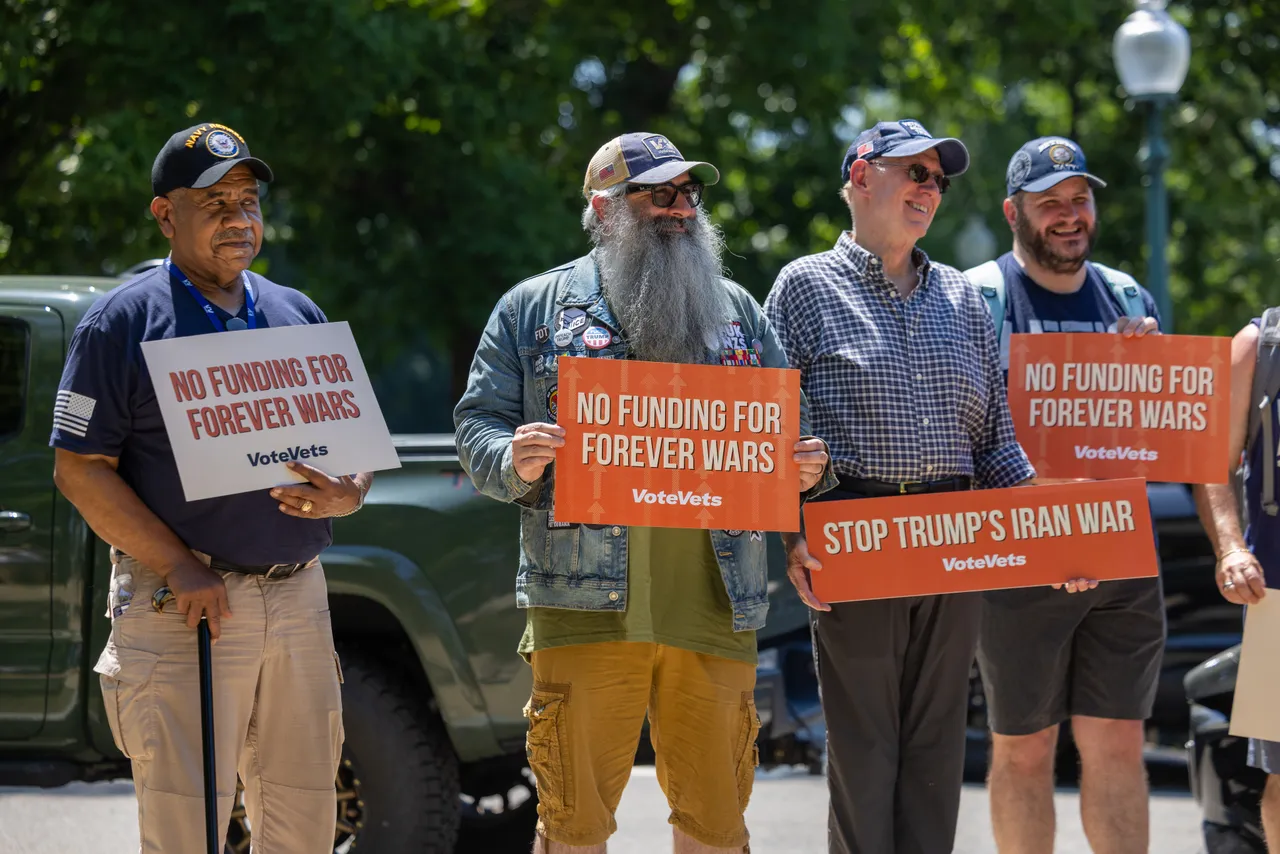
As the Trump administration signals progress towards a possible agreement with Iran, public opinion in the US appears divided between a desire to avoid deeper military involvement and concern over what concessions Washington may make to end the conflict, according to CNN.
Recent polls and political debate suggest that many Americans are sceptical of expanding the war with Iran, even as they continue to view Tehran’s nuclear programme and regional influence as serious security concerns.
The public mood reflects a familiar tension in US foreign policy, voters often support limiting threats abroad, but show far less appetite for prolonged military campaigns.
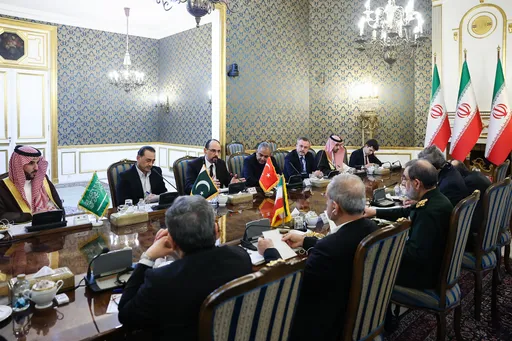
The debate comes as US and Iranian negotiators continue efforts to reach a deal aimed at easing hostilities and addressing key issues, including the reopening of the Strait of Hormuz, sanctions relief, and Iran’s nuclear activities.
Reports indicate that talks have continued through regional mediators despite fresh tensions, including US strikes that Tehran has condemned as violations of the ceasefire.
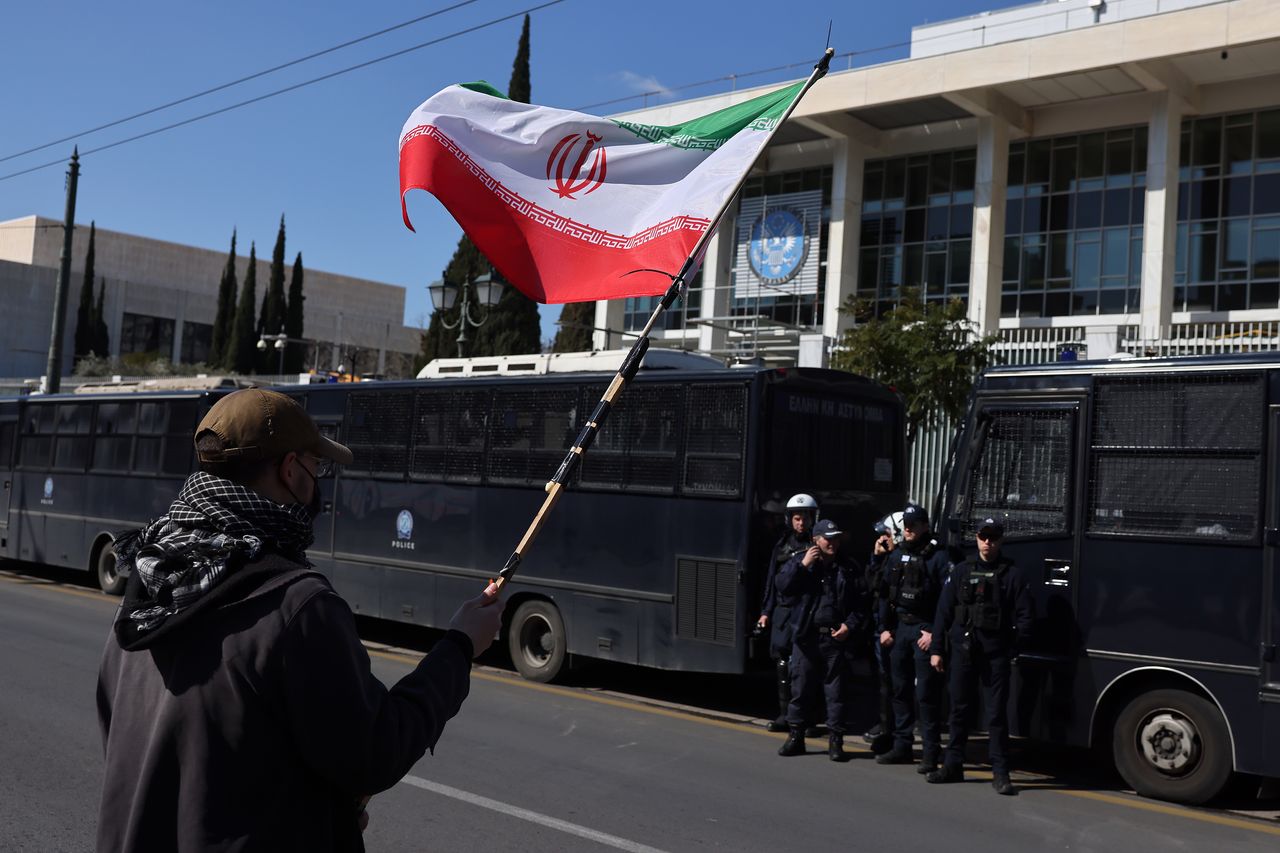
For the White House, the political challenge is significant.
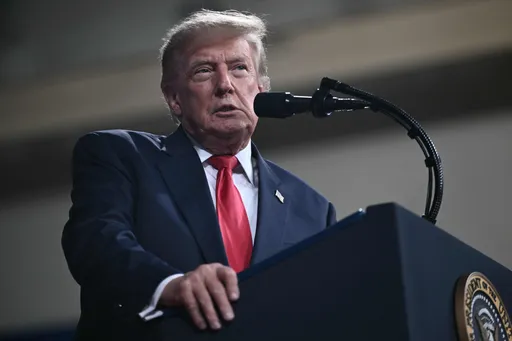
President Donald Trump has argued that any agreement must be strong and beneficial to the US, while critics warn that a rushed settlement could leave Iran with too much leverage.
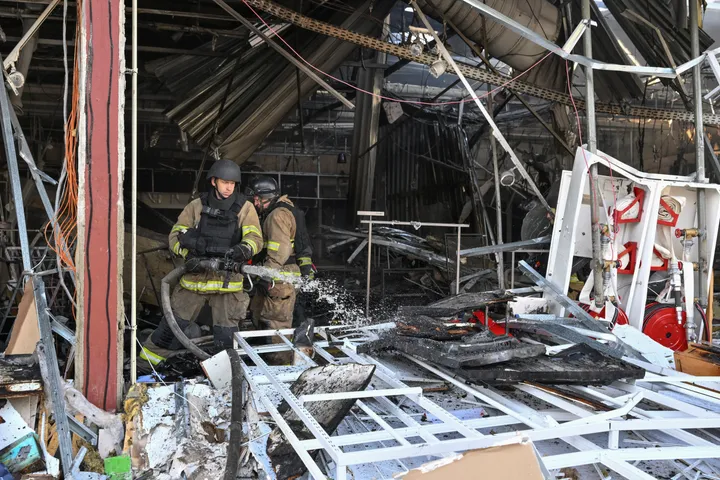





Secretary of State Marco Rubio has also emphasised that Washington wants the Strait of Hormuz reopened and warned that Washington is prepared to ensure freedom of navigation “one way or the other.”
At home, the issue has exposed divisions among voters and lawmakers.
Polling cited in recent summaries shows that Americans have generally been reluctant to support large-scale military action against Iran, while still placing high importance on ending the conflict, protecting civilians, and limiting Iran’s nuclear capabilities.
The result is a narrow path for Washington: pursue diplomacy without appearing weak, contain Iran without widening the war, and convince a sceptical public that any peace deal serves US interests.
For many Americans, the central question is no longer only whether Iran poses a threat, but whether another prolonged Middle East conflict is a price they are willing to pay.