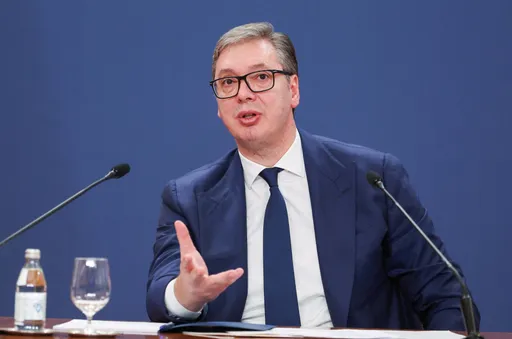
Hezbollah Secretary-General Naim Qassem said on Tuesday there is “no obstacle” to holding a public meeting between his group and the Syrian leadership.
"There is no obstacle to holding a public meeting between Hezbollah and the Syrian leadership at a suitable time," Qassem said in a televised speech on the Al Mayadeen channel.
Hezbollah publicly entered Syria’s civil war in 2013 in support of Bashar al Assad's dictatorship.
As its confrontation with Israel intensified in 2024, the group withdrew a large portion of its militants back to Lebanon.
The subsequent lightning offensive by Syrian opposition forces and the collapse of the Assad regime in December 2024 effectively brought Hezbollah’s presence in Syria to an end.
"We emphasise the importance and necessity of a fraternal, positive, and cooperative relationship between Lebanon and Syria," Qassem said.
"A stable Syria is a pillar of support for Lebanon, just as a stable Lebanon is a pillar of support for Syria," he added.
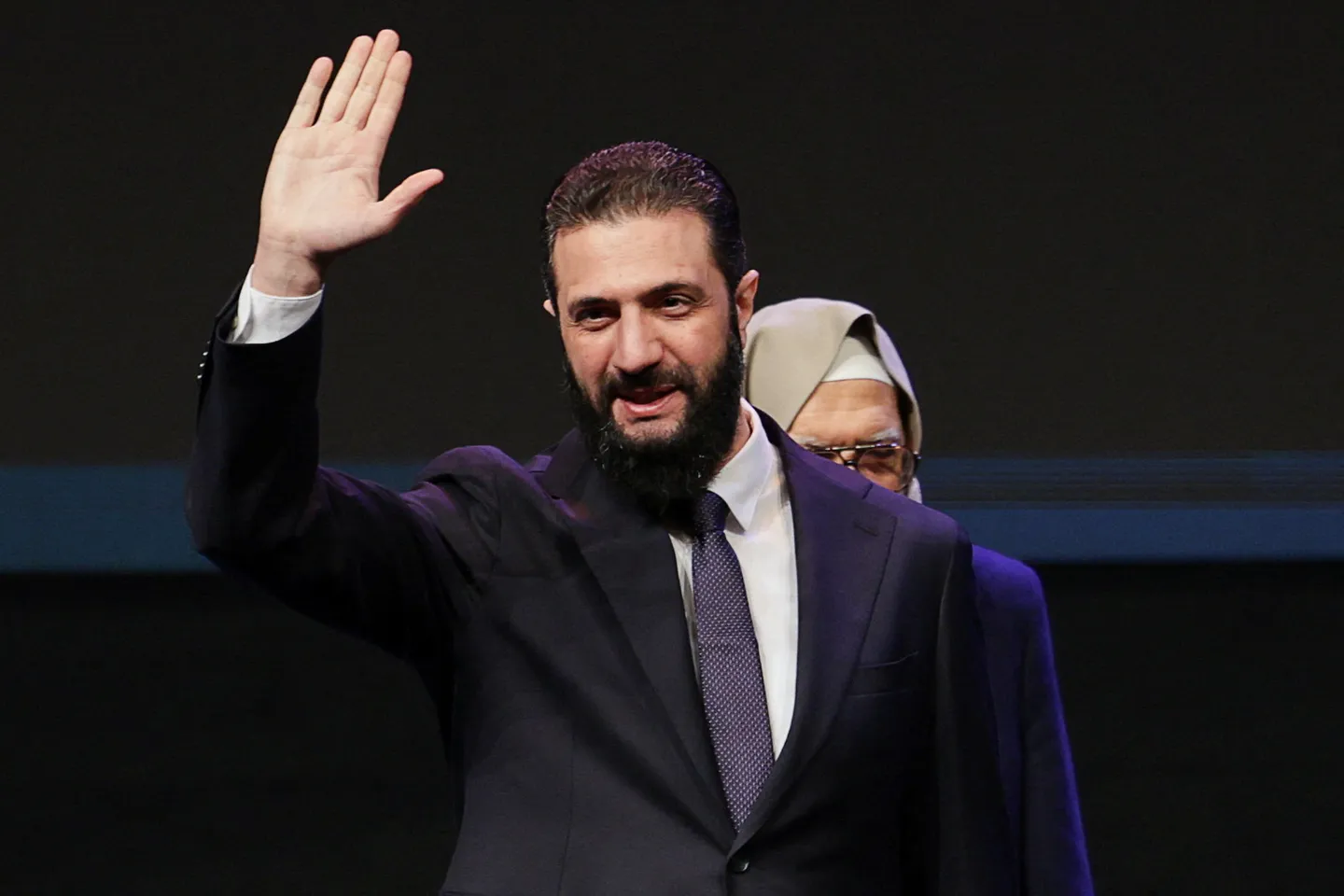
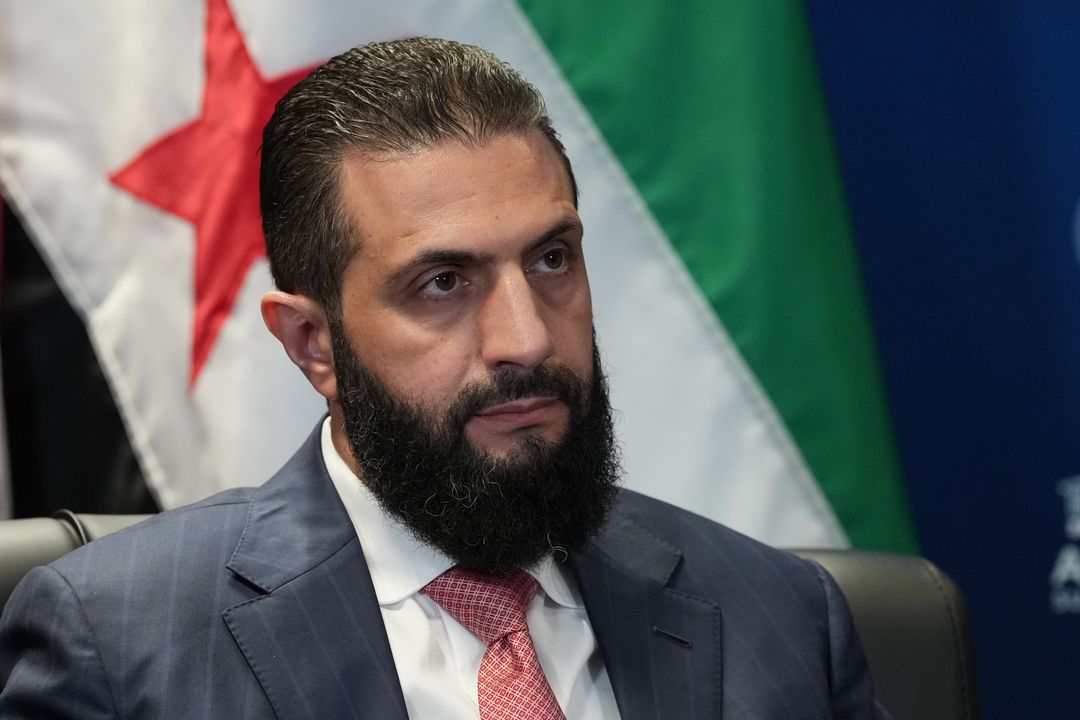
In June, Syrian President Ahmed al Sharaa said that Syria would be prepared to engage with Hezbollah “if doing so benefited both nations.”
“We will sit at the same table with Hezbollah if it serves the interests of Syria and Lebanon,” al Sharaa said in an interview with Al Mashhad TV in Damascus.
Israel-Lebanon talks
Hezbollah’s Qassem called on the Lebanese authorities to "stop making gratuitous concessions, engage in dialogue with the resistance, repair the internal situation, and prioritise sovereignty."
“Direct negotiations (with Israel) have brought nothing but shame, humiliation, disappointment, and successive concessions to Lebanon," he said.
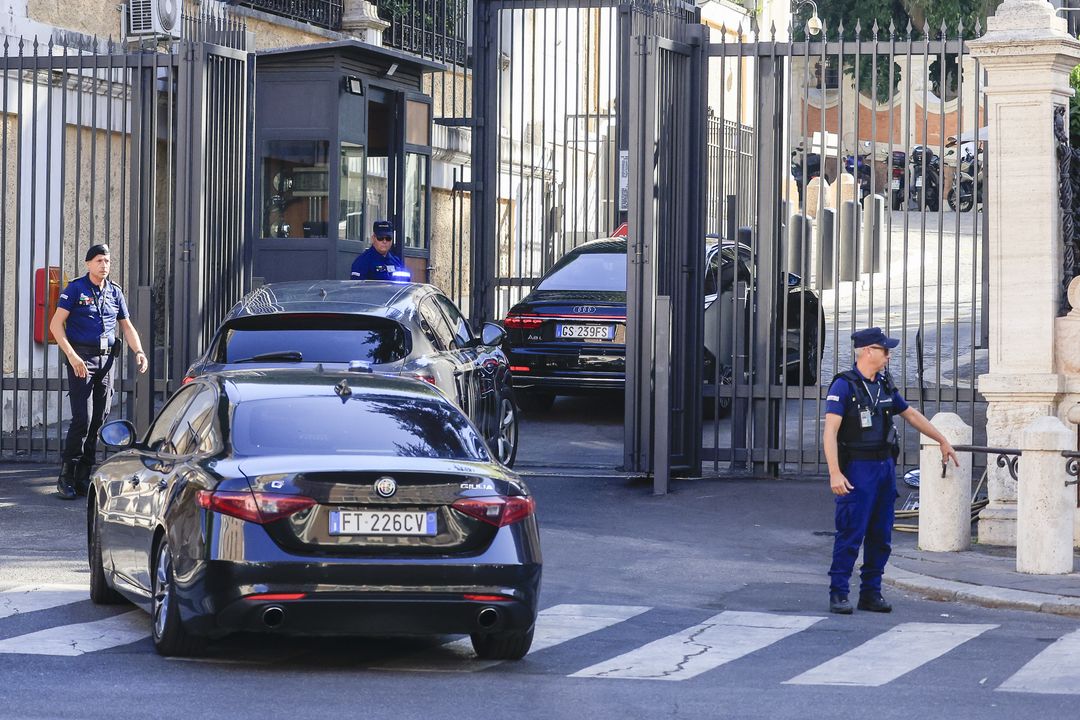
Lebanon and Israel are holding the seventh round of direct negotiations in the Italian capital Rome to discuss the implementation of a US-mediated framework agreement.
The agreement provides for a gradual Israeli withdrawal from all occupied Lebanese territory in return for the deployment of the Lebanese army in those areas.
It also calls for the disarmament of armed groups, in an apparent reference to Hezbollah.
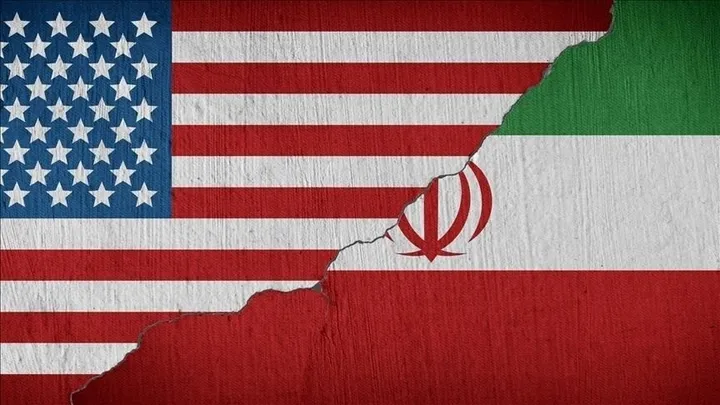
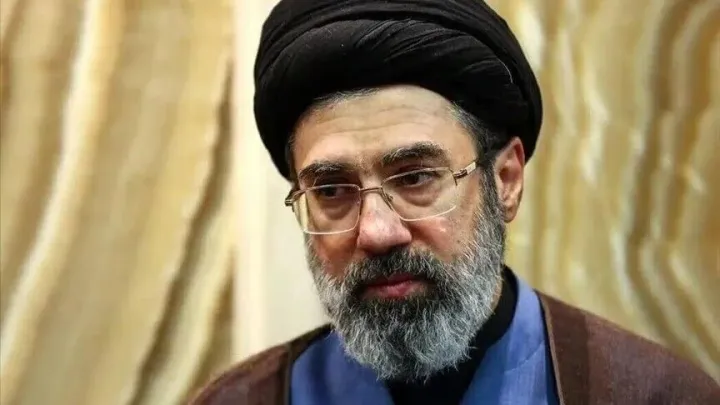
Lebanon was drawn into the Middle East war on March 2, when Israel and the US started a war against Iran, killing its Supreme Leader Ali Khamenei and triggering the Tehran-aligned Shia group Hezbollah to fire missiles at Israeli positions.
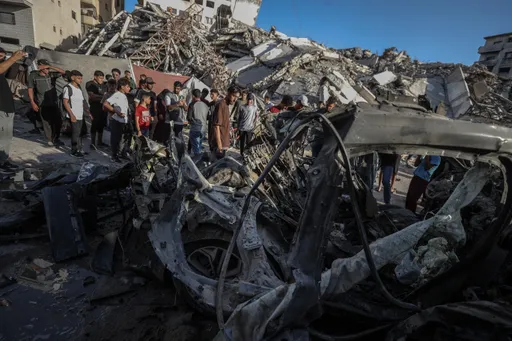
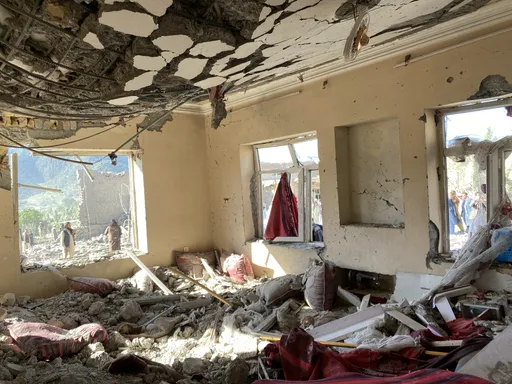
Israeli attacks on Lebanon have killed 4,333 people and injured 12,236 others, according to Lebanon’s Health Ministry.