Argentina's Vice President Victoria Villarruel has called the English "usurping pirates" ahead of the World Cup semi-final between the two countries' teams, a high-stakes match in Atlanta that has prompted the US city to increase security measures.
"Tomorrow we play against the usurping pirates. It's not just another match," Villarruel said in a post on X on Wednesday.
The iconic match will take place against the backdrop of a lingering sovereignty dispute over the Falkland Islands, known in Spanish as the Malvinas, in the South Atlantic Ocean.
"I'm not going to be politically correct or keep a cool head — it's always something more against the English," Villarruel wrote.
"It's the Malvinas, it's Diego, it's Leo's last run, and it's about stopping the invaders in their tracks," she continued, referring to the late soccer legend Diego Maradona and current star striker Lionel Messi.
"Go Argentina! Because until our very last breath, we will keep claiming what is ours!" she wrote, echoing a popular anthem sung by Argentine fans during the tournament.
Villarruel's father fought in the 1982 Falklands War between Argentina's military dictatorship and the UK over the South Atlantic islands, whose sovereignty remains contested.
The 74-day conflict ended in a British victory, leaving 649 Argentines and 255 Britons dead.
The vice president's remarks stood in contrast to those of Argentina coach Lionel Scaloni and several players, who sought to play down the political and historical significance of the match.
"It's a football match, plain and simple. So, mixing the two would be madness," Scaloni said.
Atlanta beefs up security
On Tuesday, Argentine Security Minister Alejandra Monteoliva said that under the security plan for the semi-final in Atlanta fans would banned from bringing flags or other items referencing the Falkland Islands into the stadium.
The Atlanta Police Department has said it will have enhanced security in place, proactive measures that were the result of continual security assessment. The stadium in downtown Atlanta normally hosts NFL and Major League Soccer.
There have been isolated reports of minor disorder in the run-up to the match but the atmosphere was peaceful on Wednesday morning, with fans gathering in cafes and bars or playing cards as they waited outside the stadium.
In Mexico earlier in the tournament, there was a deadly crush as fans celebrated, but this World Cup has generally been free of the violent disorder that blighted some matches in the 1980s and 1990s.
Still, authorities are taking no chances. For the first time at this tournament, rival fans will be channelled through separate entrances at the stadium.
The rivalry between Argentina and England goes back decades and stems both from controversies at football matches and historical tensions.



It intensified in the wake of the 1982 military conflict between the two countries, which resulted in 907 deaths.
FIFA rules ban items in stadiums making political expressions, although earlier in the tournament in Los Angeles Iranian Americans carrying flags protesting against the Tehran government entered the stadium and the game proceeded without issue.
Winner to face Spain
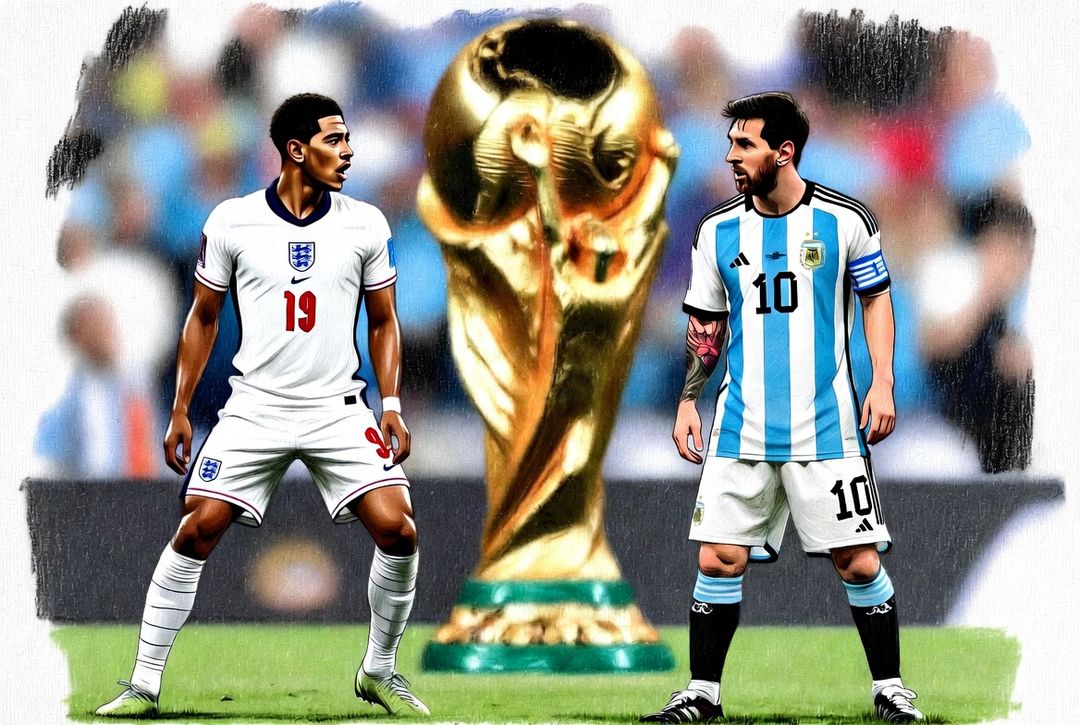
Argentina are seeking a second consecutive World Cup final after lifting the trophy in Qatar in 2022, while England are attempting to reach the title match for the first time since their only triumph in 1966.
The encounter will renew one of international football’s most historic rivalries and mark the teams’ first World Cup meeting since 2002.
Their most famous clash came in the 1986 quarterfinal, when Diego Maradona scored both the controversial "Hand of God" goal and the strike later named the "Goal of the Century" in Argentina's 2-1 victory.
Harry Kane and Jude Bellingham are expected to play leading roles as The Three Lions chase their first World Cup final in 60 years.
The two teams — both ranked by FIFA in the world's top four — are competing for the right to face Spain in Sunday's final in New Jersey.
VAR controversy
The holders' passage to Wednesday's semi-final against England has been accompanied by repeated complaints from opponents over refereeing decisions, amid social media speculation the tournament has favoured Lionel Messi's side.
The narrative has been building since the group stage, when Algeria called for Messi to be sent off after he stood on the calf of their captain Aissa Mandi in the first half. He was not — and went on to score a hat-trick.
Days later, Algeria filed a complaint alleging poor refereeing during the game.
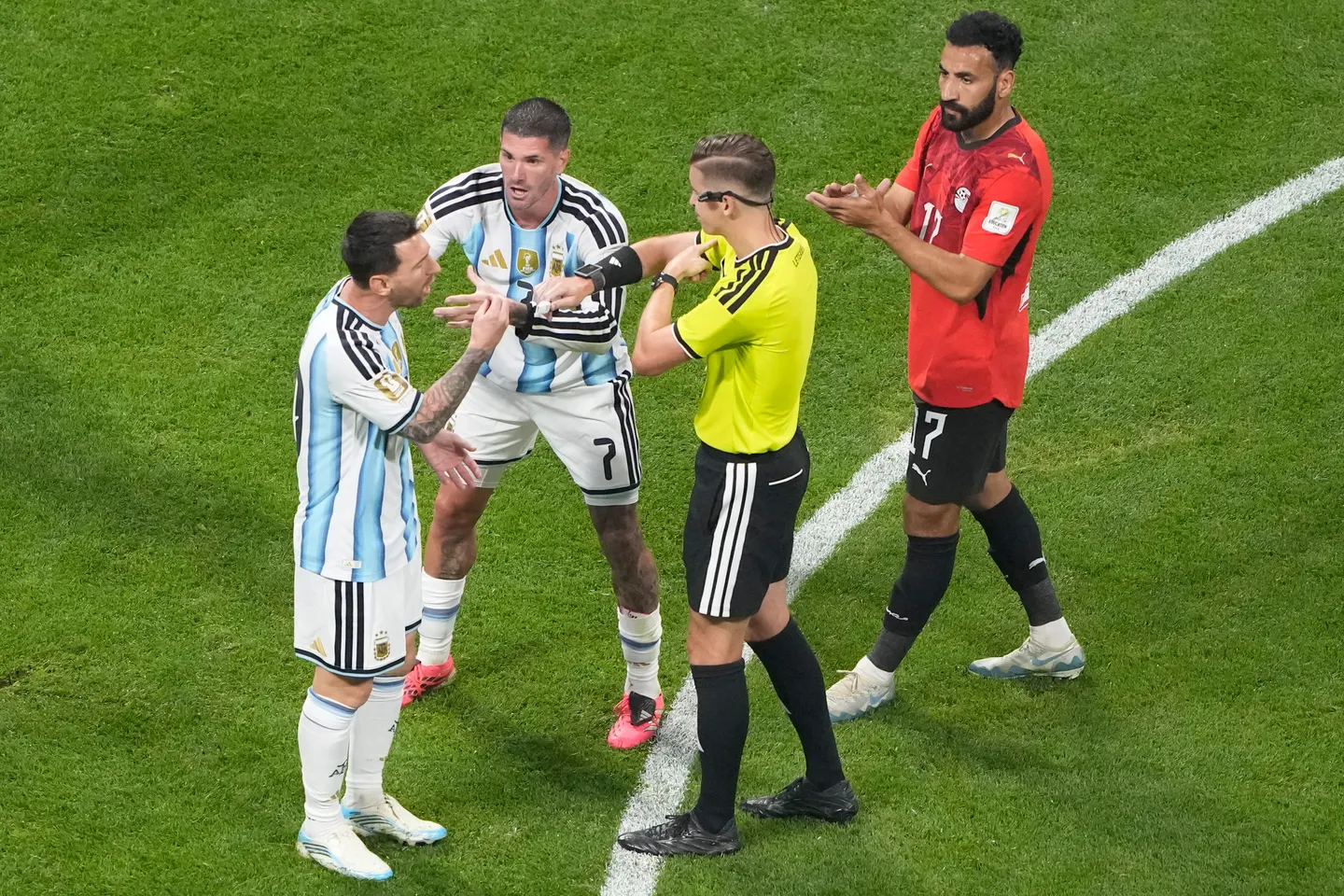
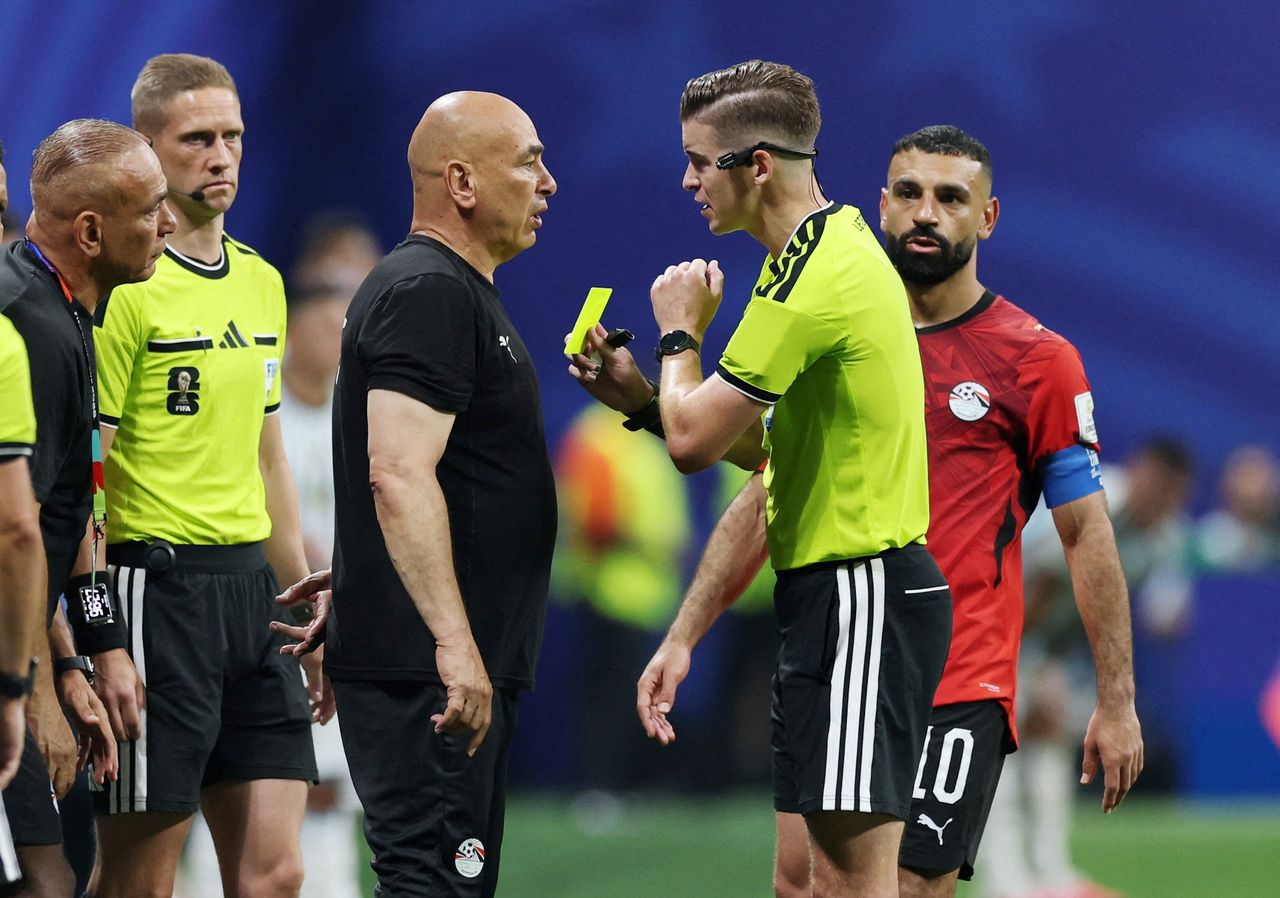
Controversy around Argentina's round of 16 win over Egypt spilled over for days: Egypt netted a goal in the 62nd minute but it was disallowed after a VAR check found there was a foul from the team in the build up.
Egypt's appeal later in the match for a penalty was waved away before Argentina scored the winner in the 92nd minute.
The Egyptian FA said several decisions during the game impacted the outcome.
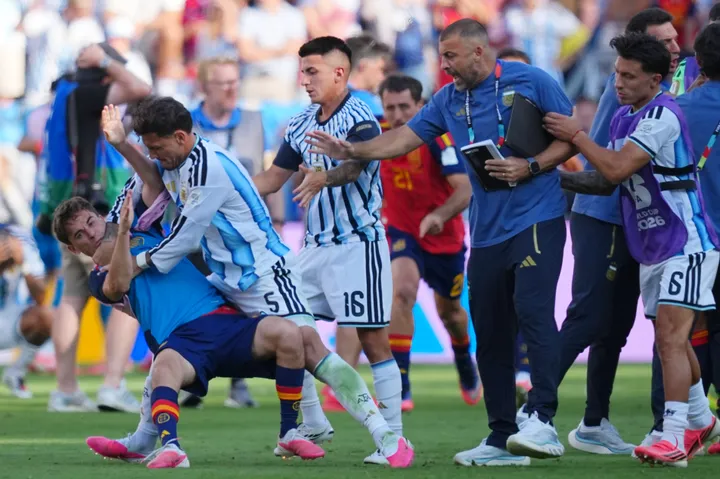
The saga came to a head on in Argentina's quarter-final defeat of Switzerland, as Breel Embolo was sent off for a second yellow card for simulation, a VAR rule that Swiss coach Murat Yakin called "unacceptable."
Many are now referring to Argentina as "VARgentina", labelling the squad one of the most controversial at the 2026 FIFA World Cup.
The protocol over mistaken identity, that Argentina critics say has helped only Argentina so far, is one of several incidents in which VAR is allowed to intervene under rules applied to the 2026-27 season and the World Cup, putting a largely untested protocol up for public debate.
FIFA's handling of two World Cup red-card cases came under renewed scrutiny this month, after US striker Folarin Balogun got a last-minute reprieve from his one-match ban while England defender Jarell Quansah got a two-match suspension.