 Murat Sofuoglu
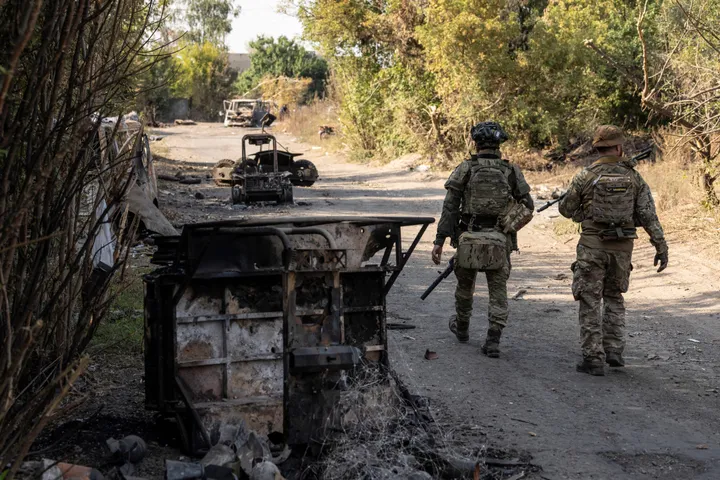
While NATO leaders gather in Ankara this week to discuss the Ukraine war among other issues, Kiev and Moscow remain locked in an intense drone campaign targeting each other’s civilian and energy infrastructure.
Recent Ukrainian attacks on Russian energy facilities hit at least 11 major oil refineries, bringing nearly 30 percent of Moscow’s refining capacity to a halt as of June 20 and contributing to worsening fuel shortages across the country.
It’s an unusual development for an energy-rich country, which is the world's third-largest oil producer, generating about 10.5 million barrels of crude per day.
Growing fuel shortages also forced Moscow, one of the world’s largest sellers of petroleum products, to ban oil and jet fuel exports for months to maintain domestic supply.
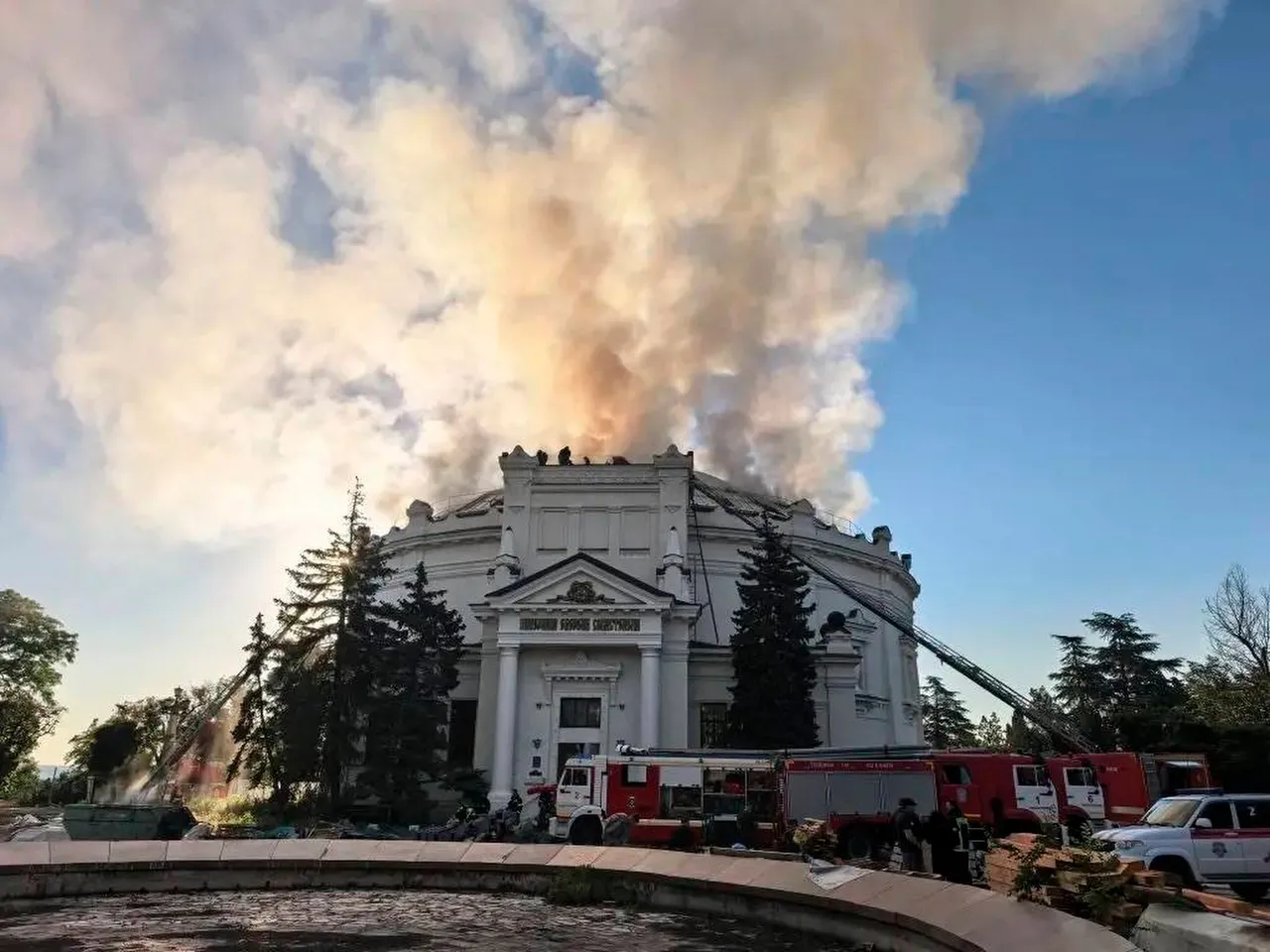
Sergei Markov, a Moscow-based political analyst and former adviser to Vladimir Putin, described the Ukrainian attacks on Russian energy facilities as "quite intensive", saying they have caused power outages in parts of the Russian-occupied Crimean Peninsula, including Sevastopol, the region's largest city.
“A lot of people are waiting in lines at many gas stations across Crimea,” Markov tells TRT World.
Around 20 percent of gas stations across the peninsula are out of service, while drivers face unprecedented restrictions on how much gasoline they can purchase each day, he adds.
According to Russian reports, the fuel shortages have also triggered panic buying and the distribution of low-quality gasoline.
In response to the increasing Ukrainian attacks, Russia has intensified its own strikes on Kiev and other cities, reportedly resulting in growing civilian casualties.
The attacks have also exposed vulnerabilities in Ukraine's air defence system as dwindling stocks of interceptor missiles leave Kiev increasingly vulnerable.
Experts say the recent war on Iran has further strained global supplies of Patriot missiles.
Waiting times for gasoline vary across Russia’s 78 federal subjects, which account for nearly 90 percent of the country’s regions, signalling the expansive nature of the fuel shortages, according to Markov.
Russia is the world’s largest country by landmass, spanning 11 time zones.
“In Moscow it’s 20 minutes, but in other regions it could take hours,” Markov says.
In some areas, Russians wait for more than 18 hours to fill their cars’ tanks, according to emerging reports from the country.
“Of course people are unhappy and quite angry about this waiting process as well as restrictions on the amount of gasoline they can take per day,” he says.
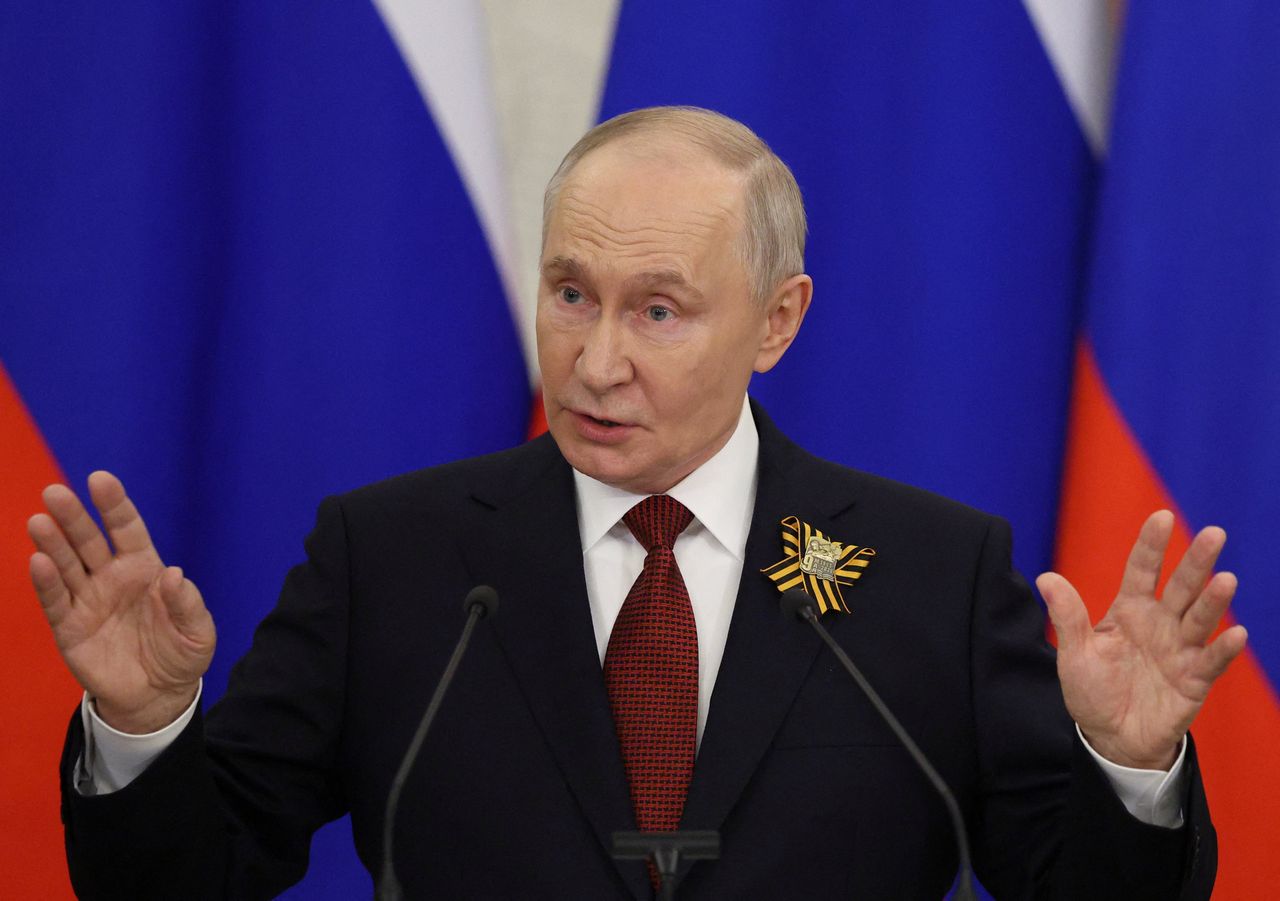
Putin, who has promised victory over Ukraine, has also felt growing Russian resentment over the fuel shortages, uncharacteristically acknowledging the far-reaching scale of the energy disruptions.
“Problems for the motorists, and for the businesses, remain. There are, regrettably, lines at gas stations, and sometimes you can’t find the right brand of gasoline,” he said in a recent speech.
“We also understand the difficulties that agriculture businesses and farmers encounter in the summer season…The harvest depends on this.”
Fuel shortages have not only forced many people to reschedule their summer holiday plans, but have also affected business activity, Markov says.
However, diesel supply, which is crucial for agricultural production as harvest time approaches, is not in very bad shape, he adds.
According to estimates, Ukrainian strikes have forced Russian gasoline production to fall to around 20 percent below domestic demand as refinery operations decline to multi-year lows.
“Such attacks are likely to increase frustration within Russia, especially considering Putin’s objective to insulate the impact of the war in Ukraine for most ordinary Russians,” says Eugene Chausovsky, an expert on Russian politics and senior director for analytical development at the New Lines Institute.
‘Make the Russians feel the war’
Since the start of the war, Ukraine has struck Russian oil refineries more than 300 times, with most of those attacks occurring in 2025 and this year.
In response to fuel shortages, Moscow has sought to shorten repair times at damaged refineries while intensifying its attacks on Ukraine to make Kiev think twice before targeting Russian territory.
Russia is also looking to strengthen its air defence systems to better protect its energy infrastructure from Ukrainian strikes, according to the Kremlin.
Russian authorities have assured the public that most of the restrictions will be resolved by early August, Markov says.
However, he adds that Russian-occupied regions such as Crimea, Zaporizhzhia and Kherson may continue to face fuel shortages.
Despite growing frustrations, Russians continue to support the Kremlin under Putin's leadership, backing more intensive attacks on Ukrainian territory, Markov says.
Since the start of the war in 2022, Russia has not experienced fuel shortages and power outages on this scale.
Experts attribute the widespread disruptions largely to Ukraine's rapidly expanding domestic production of long-range drones.
“Ukrainian domestic production has significantly increased and allows its operators to carry out mass drones and missile attacks against Russia without relying on Western deliveries and political will,” Denys Kolesnyk, a Paris-based political analyst, tells TRT World.
Without the restrictions that Western countries may place on some weapons, Ukraine has been able to conduct a broad range of long-range strikes deep inside Russian territory, Kolesnyk says.

Kiev aims to hit the Russian economy and “make the Russians feel the war”, he adds.
Markov, however, argues that Ukraine's drone campaign is being carried out under European supervision.
“The West has created a particular system building factories in European territories to facilitate Kiev’s long-range drone production,” he says.
Nikolai Sokov, a senior fellow at the Vienna Centre for Disarmament and Non-Proliferation, also believes that most drone components or “whole systems are being produced in Europe”.
According to Markov, Russia plans to significantly expand its air-defence capabilities by November as it takes additional measures to address vulnerabilities exposed by the Ukrainian attacks.
Turning the tide of the war?
Kiev's deep strikes inside Russian territory have unsettled Russian citizens and attracted renewed American attention, as the US has been less active in Ukraine due to the Trump administration's focus on Iran in the Middle East.
But Chausovsky does not believe that Ukrainian drone attacks will lead to “a major turning of the tide in the war as long as Ukraine remains significantly outsized by Russia in terms of military personnel and weaponry”.
“What such drone attacks and other forms of asymmetric activity by Ukraine can do is drive more momentum towards a negotiation process in order to shift the current deadlock of the war,” he adds.
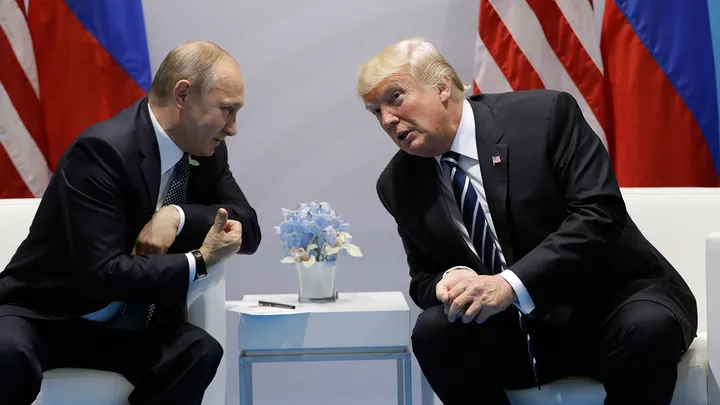
After lengthy conversations with both Putin and Ukrainian President Volodymyr Zelenskyy, US President Donald Trump recently said that a peaceful resolution to the war was “getting closer”.
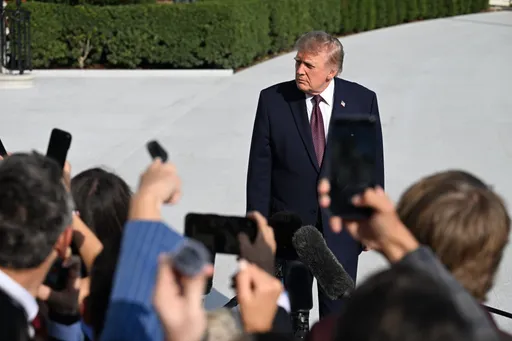
During his visit to Ankara for NATO's 36th summit, Trump reiterated his desire to bring the Ukraine war to an end.
While fuel shortages and electricity cuts do not signal “a turning point” in the war, they have affected not only Putin's domestic prestige but also Russia's image abroad as “a tough actor” capable of providing security to its citizens, according to Kolesnyk.
Before Ukraine intensified its attacks deep inside Russian territory, Russia's slow advance on the battlefield had already prompted growing calls from Washington for a negotiated settlement.
Putin has also recently suggested that the war could come to “an end” soon, a remark that some experts interpreted as a sign of growing internal pressure on the Russian leader.
While Markov argues the energy disruptions are unlikely to alter the course of the war because Washington wants to avoid an escalation that could drive up global oil and gas prices ahead of the November midterms, Sokov warns that growing domestic pressure inside Russia could instead push Putin to widen the conflict beyond Ukraine.
“It is a very uncertain situation,” he says.