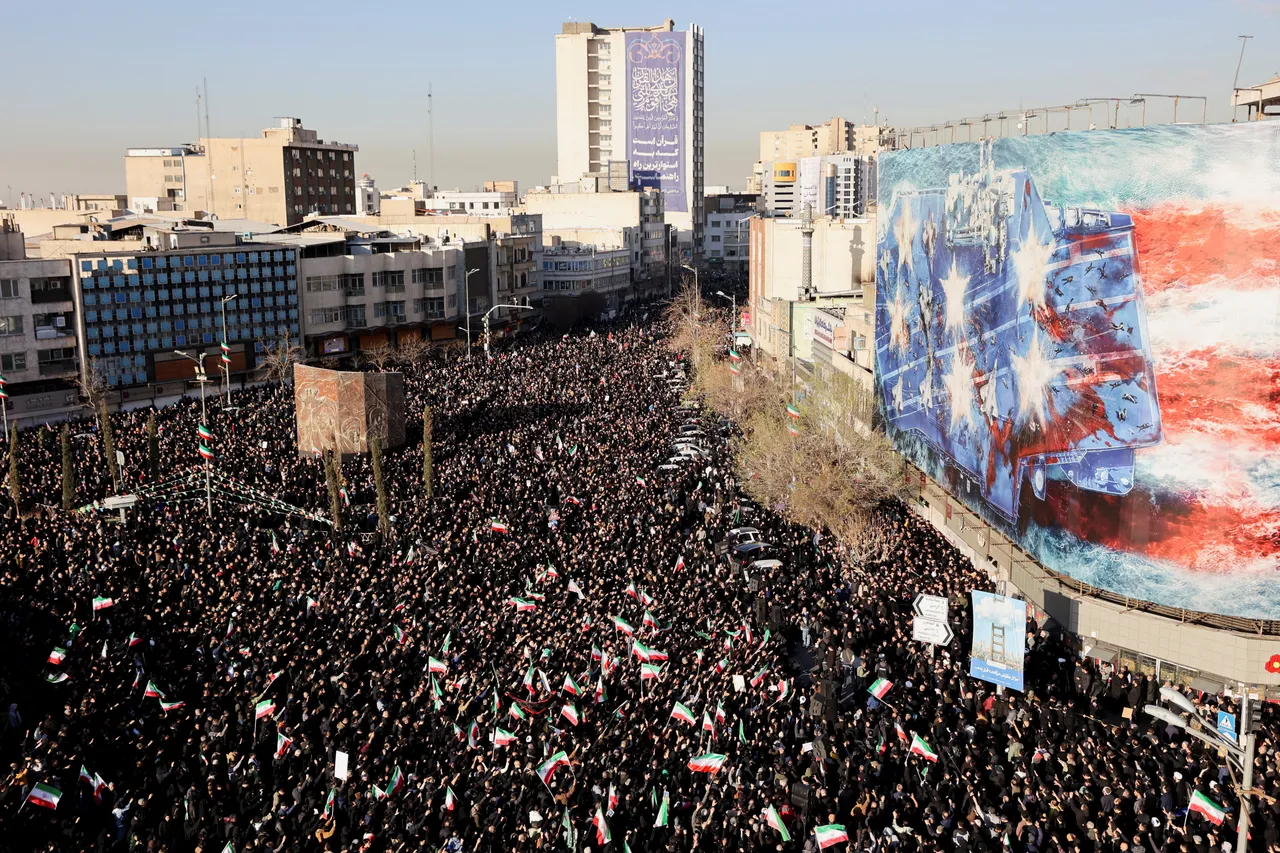
Demonstrations have broken out on Sunday across Iran following the announcement that Supreme Leader Ali Khamenei was killed in US and Israeli military strikes.
The developments have dramatically escalated tensions in the Middle East and triggered widespread public reaction within Iran.
Iran’s state television early confirmed that Khamenei lost his life during the US‑Israel attacks, declaring that Iran's "Islamic revolution leader has reached martyrdom.”
The government also instituted a 40‑day national period of mourning and a seven-day official holiday.
Large crowds took to the streets in cities across Iran in response to the news of Khamenei’s death.
Iranian media said demonstrators bearing Iranian flags gathered at urban centres to voice their grief.
In Tehran, hundreds assembled in Inkilap Square, raising flags and posters of Khamenei, and shouting slogans condemning the US and Israel.


In the holy city of Qom, hundreds gathered at the shrine of Hazrat Masume to denounce the attacks.
In Mashhad, mourners observed a symbolic gesture of grief by draping a black flag over the dome of the Imam Reza Shrine, one of Iran’s most revered religious sites, and many were seen shedding tears in the surrounding area of the shrine.
Members of Khamenei's family killed
Officials acknowledged that the attack, which occurred early Saturday, struck Khamenei while he was at his office in Tehran.
Iranian state media emphasised that contrary to claims he was hidden underground, he was “duty‑bound, among the people” at the time, describing his death as reflective of his lifelong public leadership role.
Iranian sources reported that several members of Khamenei’s family, including his daughter, son‑in‑law, grandson and daughter‑in‑law, were killed in the strikes.
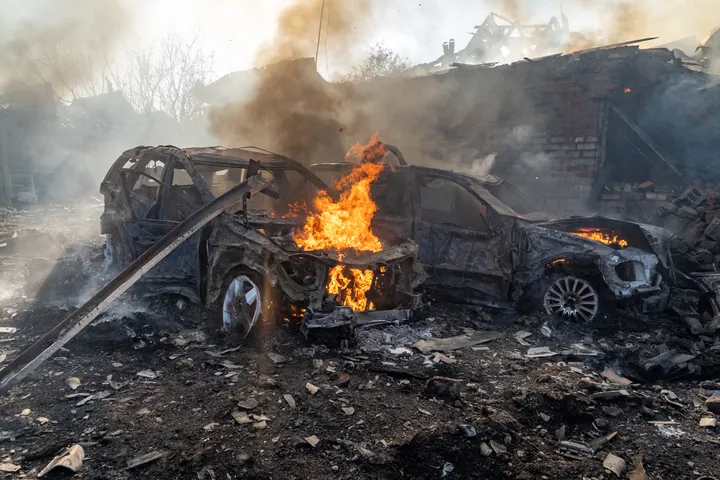
The strikes have resulted in broader civilian casualties, with the Iranian Red Crescent reporting 201 deaths and 747 injuries in the attacks.