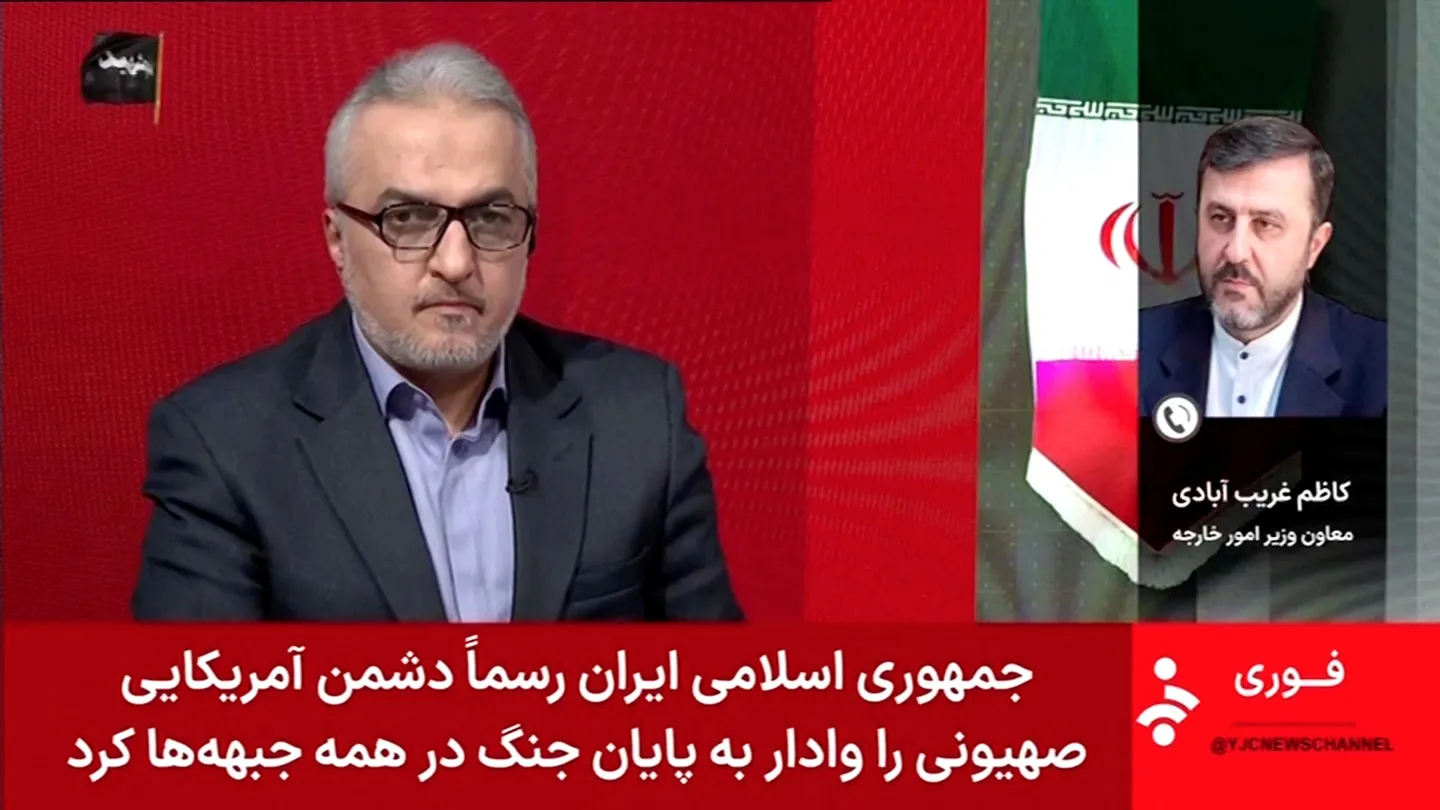
Rebuffing US President Donald Trump's statement that he would declare the Strait of Hormuz US territory, a senior Iranian diplomat has asserted that the strait belongs solely to Iran and called on the US to admit defeat in its ongoing war with Iran.
"The Strait of Hormuz cannot be seized by a tweet, an aircraft carrier, an order, or an election speech," Deputy Foreign Minister Kazem Gharibabadi wrote on US social media company X on Friday, adding, "Iran is neither afraid of threats nor can it be intimidated by a show of force."
Gharibabadi wrote: "The Strait of Hormuz was Iran's, is Iran's, and will remain Iran's. This strait will be closed and opened only at Iran's command, and until you accept the reality of your defeat and abandon your fantasies, Iran will continue to impose a blockade (on Hormuz)."
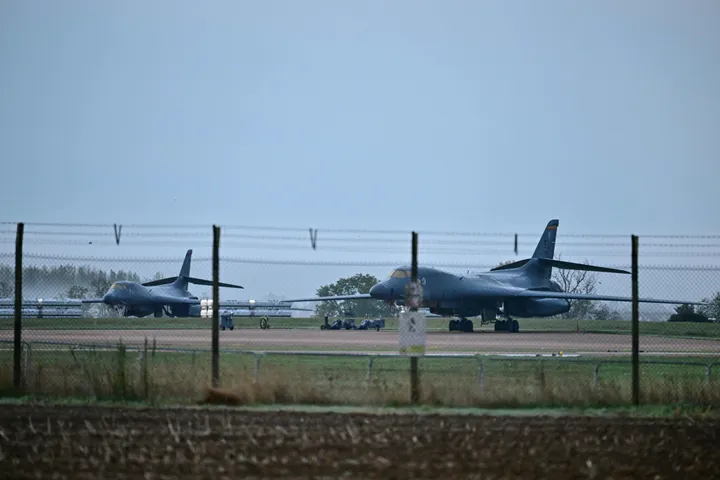
In a statement late on Friday, Trump said that the US Navy was enforcing a complete blockade of the Strait of Hormuz and asserted: "After completely defeating Iran, I will declare the Strait of Hormuz US territory very soon."
Trump also urged Americans to accept slightly higher gasoline prices while the war against Iran continues.
Iranian officials have repeatedly said the strait will not be reopened as long as the United States continues its intervention there, maintains a naval blockade, and fails to fulfill the requirements of the June framework agreement between Tehran and Washington.
Trump, on his Truth Social platform, said that the US had "full control" over the Strait of Hormuz and that he believed they could maintain that control.
Ibrahim Zolfaqari, spokesperson for the Khatam al-Anbiya Central Headquarters, Iran’s highest military body coordinating the war, said on Friday: "No vessel will be permitted to pass through the Strait of Hormuz without Iran’s permission and supervision."
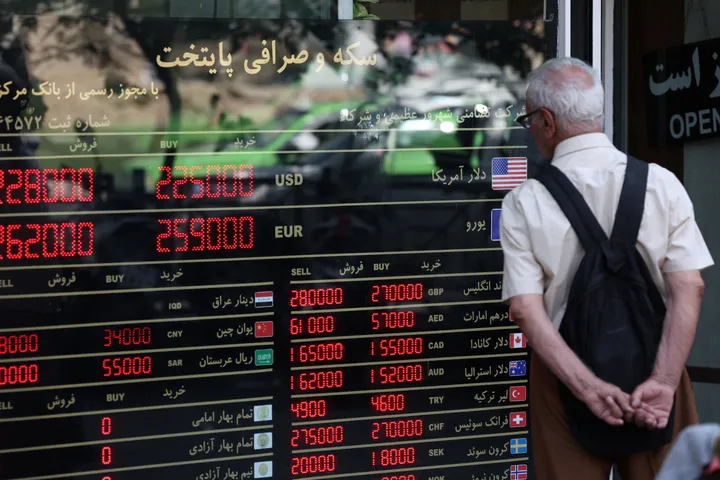

Hormuz traffic shrinks
Meanwhile, only two vessels passed through the Strait of Hormuz on Friday, according to analysis from ship-tracking firm Kpler: a grain ship entering Iranian waters and an empty dry bulk ship going the other direction.
A separate empty liquefied petroleum products tanker was sailing into the Gulf via the strait, the data showed. There were no crude oil shipments visible.
Some ships may cross the strait undetected with their transponders off, but the figures are nowhere near the more than 130 ships that traversed it daily before the war.
The United Arab Emirates' Abu Dhabi National Oil Company said two of its vessels were attacked transiting the strait on Thursday evening, then the Emirati state news agency WAM reported another vessel came under attack on Friday.
Iran labels its enforcement of strait traffic a blockade, while the US uses the same term for its threat against Iranian vessels leaving their ports.
With a tentative June deal to end the war in tatters, there was no sign that the US or Iran planned to resume peace talks.
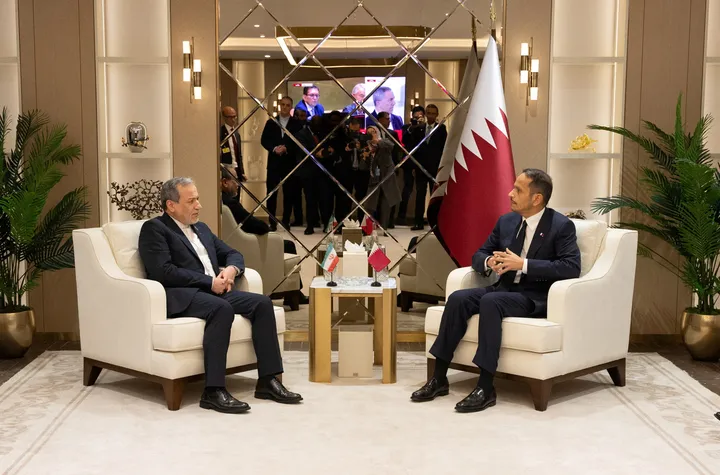
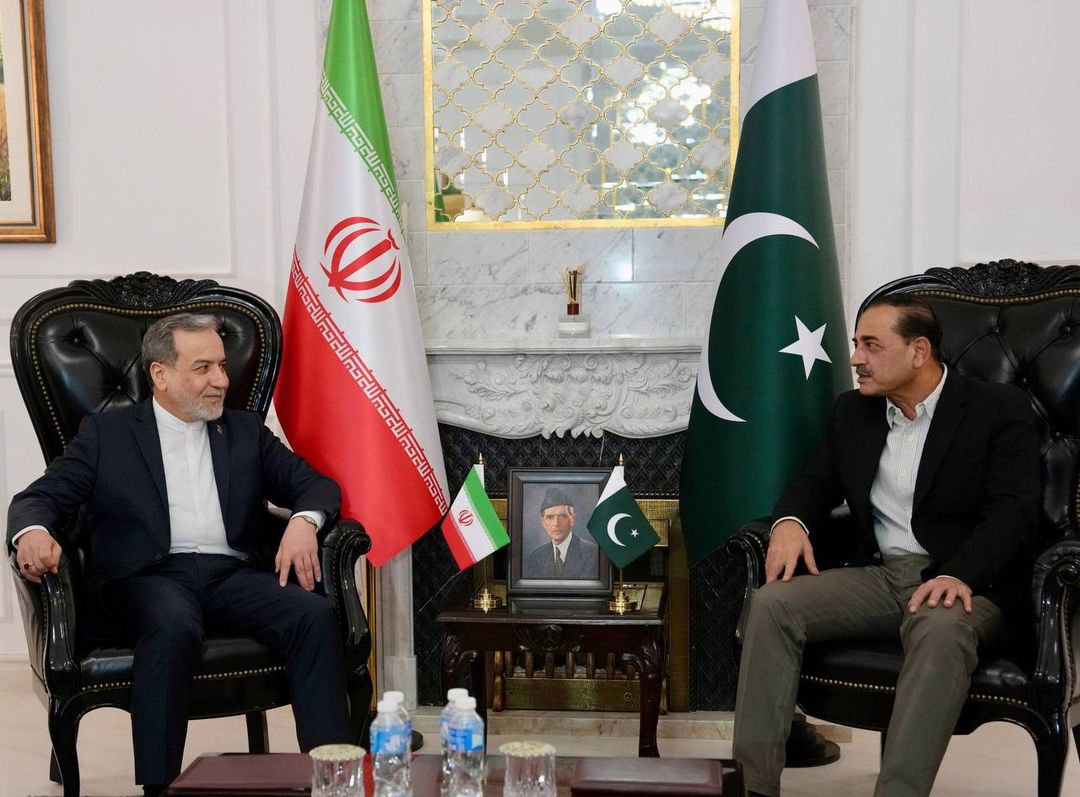
Iranian Foreign Minister Abbas Aragchi said no decision has yet been made to restart negotiations with the US, the Iranian Student News Agency reported on Saturday.
Mediators Qatar and Pakistan were in contact with Iran and exchanging messages, but this did not amount to negotiations, Aragchi said.