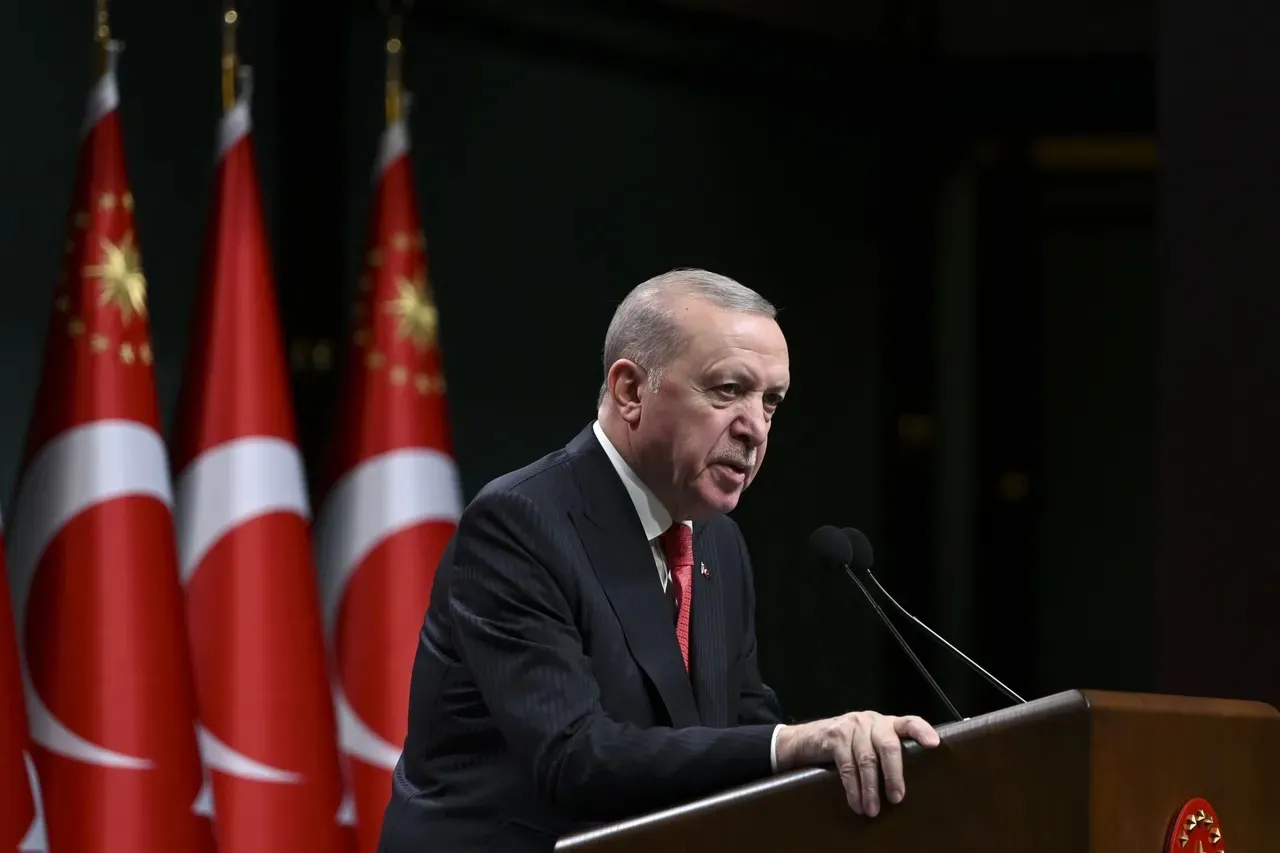
Türkiye’s President Recep Tayyip Erdogan has offered condolences to the friendly and brotherly people of Azerbaijan on the 34th anniversary of the Khojaly massacre.
“On the 34th anniversary of the Khojaly massacre, I commemorate our Azerbaijani brothers and sisters who were martyred with mercy and sorrow, and extend my condolences to the friendly and brotherly people of Azerbaijan,” Erdogan said in a message on the Turkish social media platform NSosyal.
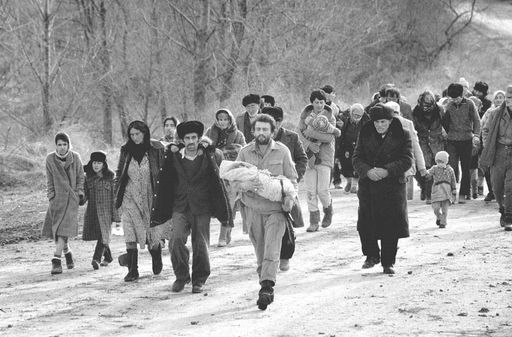
His message came as Türkiye commemorated the victims of the Khojaly massacre, the mass killing of Azerbaijani civilians by Armenian forces in 1992 in the town of Khojaly in the Karabakh region.
“We will never forget this inhumane massacre, whose pain we will always feel in the deepest parts of our hearts,” Erdogan added.


Khojaly massacre
Soon after the dissolution of the Soviet Union, Armenian forces took over the town of Khojaly in Karabakh on February 26, 1992, after battering it with heavy artillery and tanks.
The town was the site of a two-hour Armenian offensive that killed 613 Azerbaijani civilians, including 106 women, 63 children and 70 elderly people, and seriously injured 487 others, according to Azerbaijani figures.
Some 150 of the 1,275 Azerbaijanis captured during the massacre remain missing to this day, with eight families completely wiped out.
The Karabakh region was the site of mass killings and burials during the First Karabakh War in the early 1990s, when Armenian forces occupied Nagorno-Karabakh, internationally recognised as part of Azerbaijan, and seven adjacent regions, including Khojaly.
In the fall of 2020, after 44 days of fighting, Azerbaijan liberated several cities, villages and settlements in Karabakh from nearly 30 years of Armenian occupation.
Azerbaijan established full sovereignty in Karabakh in September 2023 following an “anti-terrorist operation,” after which separatist forces in the region surrendered.
Türkiye was among the first countries to recognise the Khojaly atrocities as a massacre and has repeatedly called for justice for its victims.